Texas Primary Election Results: Expert Analysis of Key Races and Trends
NewsHub
May 27, 2026
1 min read

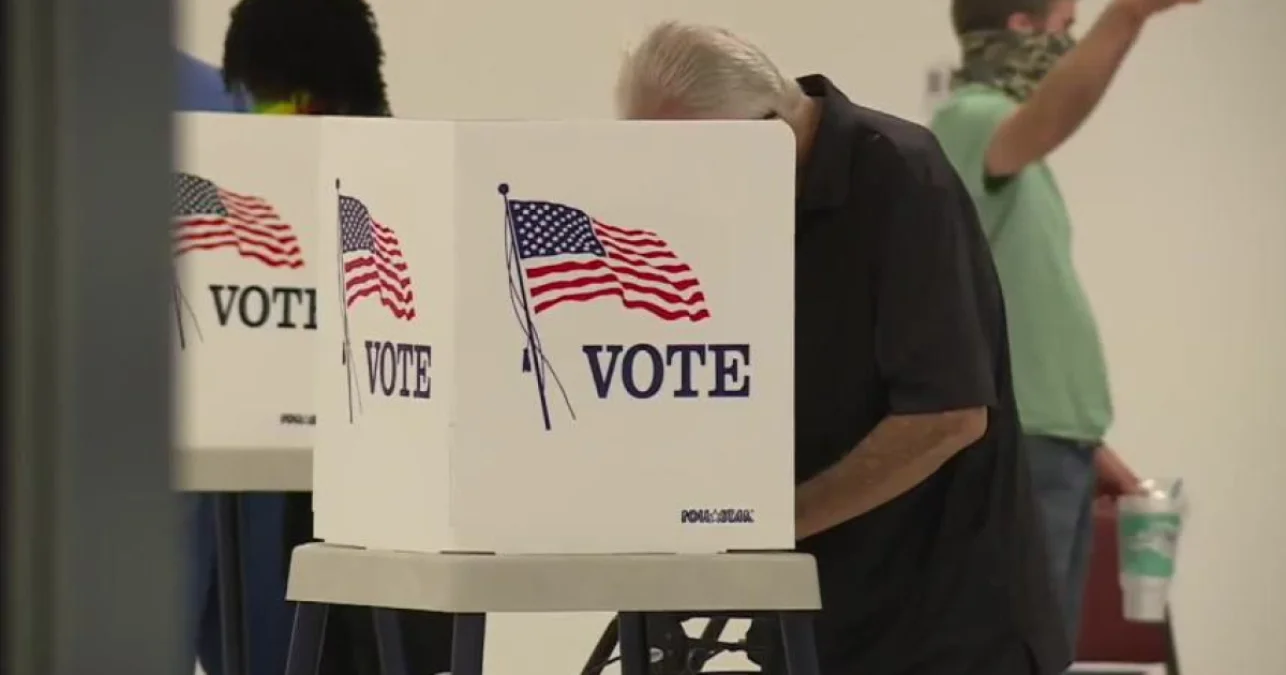
Following Tuesday's primary elections across Texas, a political science expert from the University of Houston shared his insights on the day's electoral outcomes. The discussion, hosted by NPR's Steve Inskeep, delved into the performance of various candidates and parties, offering a nuanced perspective on the political landscape of the Lone Star State. The analysis provided a snapshot of the immediate results and hinted at broader implications for upcoming electoral cycles.
Key Facts
-
Primary Election Date May 26, 2026
-
Expert Source Brandon Rottinghaus, Political Science Professor, University of Houston
-
Interview Host Steve Inskeep, NPR
Impact
The results from Tuesday's primaries in Texas are likely to shape the competitive dynamics for the general election in November. Candidates who emerged victorious will gain significant momentum and resources, while those who fell short will need to reassess their strategies. For voters, these outcomes signal the choices they will face in the fall, potentially influencing turnout and engagement based on the perceived alignment of winning candidates with their interests. Furthermore, the primary contests can offer early indicators of prevailing political sentiments within the state. The performance of different factions within the major parties, or the success of outsider candidates, can highlight shifting priorities and concerns among the electorate. This data is crucial for understanding the evolving political terrain and predicting future electoral trends beyond the immediate general election.
Key Insights
-
1
Candidate Performance
Early analysis suggests some unexpected victories and strong showings in key districts, indicating voter appetite for specific policy platforms or candidate profiles.
-
2
Party Dynamics
The primaries may reveal internal party shifts, such as the influence of different wings or the success of candidates with particular appeal to specific demographics within the party.
-
3
Voter Engagement
The level of participation and the margin of victory in certain races could offer clues about voter enthusiasm and the effectiveness of different campaign outreach efforts.
Opportunities
The primary election results present an opportunity for political strategists and pollsters to refine their understanding of the Texas electorate. Analyzing the demographic breakdowns of voter turnout and candidate support can inform targeted campaign strategies for the upcoming general election. Data gleaned from these primaries can also be leveraged by advocacy groups to identify emerging issues and tailor their lobbying efforts to resonate with newly elected or re-elected officials.
Risks & Challenges
A significant risk stemming from primary elections is the potential for increased political polarization. When candidates appeal to the base of their party to win primaries, they may alienate moderate voters who are crucial in general elections. This can lead to a more fractured political environment where compromise becomes increasingly difficult. Another risk involves the potential for voter fatigue or disengagement if primary contests are perceived as overly contentious or uninspiring. If the primary battles are perceived as negative or lacking in substantive debate, it could dampen enthusiasm for the general election, leading to lower turnout and a less informed electorate. This could also create opportunities for misinformation to spread more effectively in a less engaged environment.
Related Articles