US Election System Undergoes Verification Process
NewsHub
May 26, 2026
1 min read
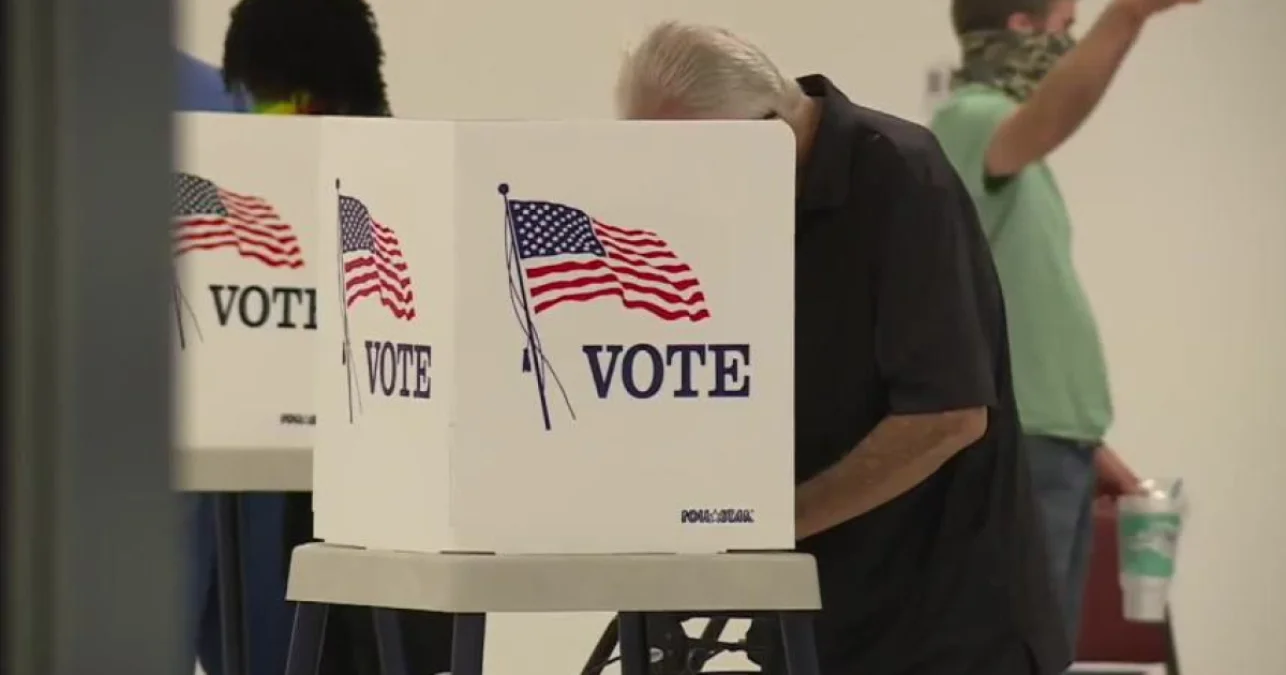
The current administration is taking steps to centralize certain aspects of US elections, including verifying voter registrations. Millions of registrations have been checked against a database to confirm eligibility. This move aims to ensure the integrity of the electoral process. The initiative has sparked interest in the potential impact on voting systems and data management.
Key Facts
-
Registrations Verified Millions
-
Purpose Determine voter eligibility
-
Method Database verification
Impact
The verification process may lead to a more accurate voter registry, reducing the risk of ineligible voters. However, concerns about data privacy and potential biases in the verification algorithm have been raised. The centralization of election functions could also lead to increased efficiency, but may be met with resistance from states that prefer to manage their own elections.The impact on voter turnout is uncertain, as some eligible voters may be incorrectly flagged as ineligible. On the other hand, the verification process could help prevent voter fraud. The administration's efforts to federalize certain election functions may face opposition from states and civil rights groups.The outcome of this initiative will depend on the effectiveness of the verification algorithm and the administration's ability to address concerns about data privacy and bias. If successful, the program could serve as a model for other countries looking to improve the integrity of their electoral processes.
Key Insights
-
1
Election Integrity
Verification process aims to reduce ineligible voters
-
2
Data Management
Centralized database may improve efficiency, but raises concerns about privacy
-
3
Voter Turnout
Uncertain impact on eligible voters, potential for incorrect flagging
Opportunities
The development of more advanced verification algorithms and data management systems could create business opportunities for tech companies. The use of artificial intelligence and machine learning to improve the accuracy of voter registration verification could also lead to innovation in the field of election technology.The federalization of certain election functions may also create opportunities for companies that specialize in data security and privacy protection. As the administration works to address concerns about data privacy, companies that offer secure data storage and transmission solutions may see an increase in demand for their services.
Risks & Challenges
The verification process may be vulnerable to errors or biases, which could lead to eligible voters being incorrectly flagged as ineligible. This could result in disenfranchisement and undermine trust in the electoral process.The centralization of election functions also raises concerns about the potential for cyber attacks or data breaches. If the database is compromised, sensitive voter information could be exposed, putting voters at risk of identity theft or other forms of exploitation. The administration will need to ensure that the verification process is secure and that the data is protected from unauthorized access.