
Middle East Conflict Escalates: Israel Targets Key Militant Leaders
NewsHub
May 26, 2026
1 min read
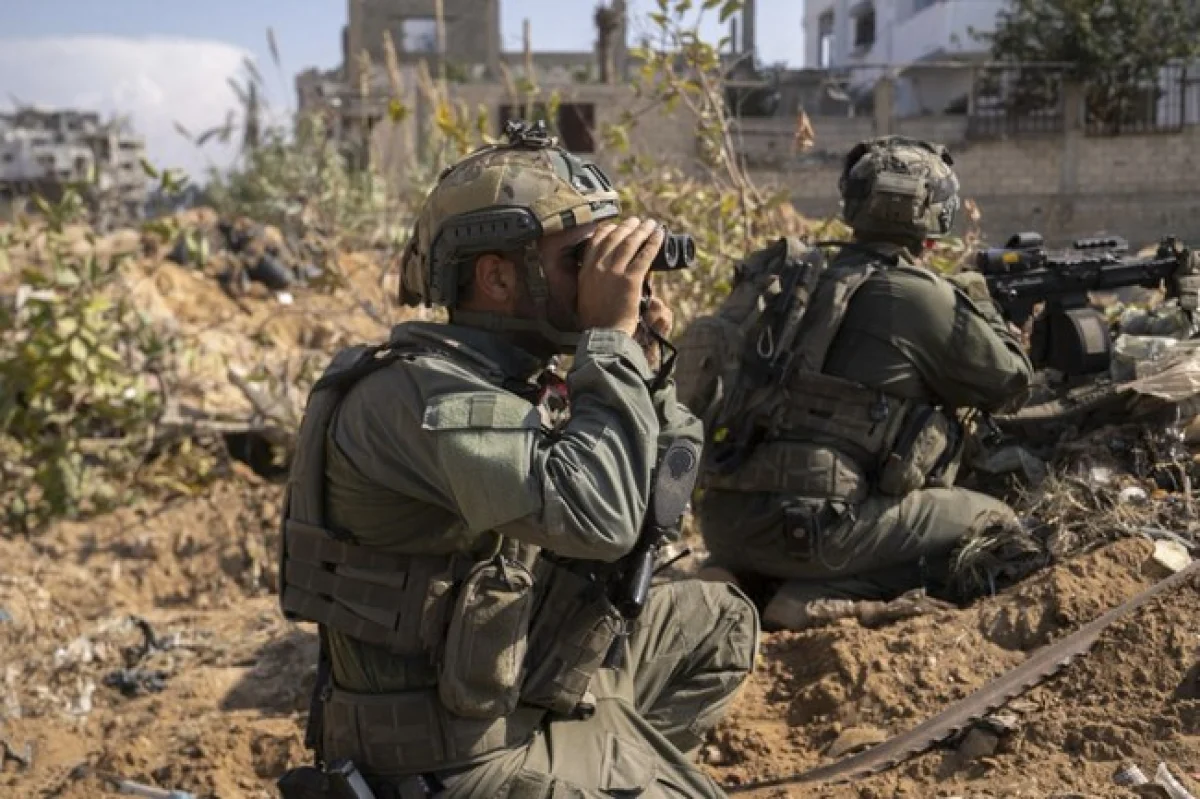
Israel has launched a series of strikes against Hamas and Hezbollah targets, eliminating key figures behind the October 7 attacks. The operation has resulted in significant damage to militant infrastructure, with over 70 targets hit. This escalation of violence may lead to further instability in the region.
Key Facts
-
Number of Targets Hit 70+
-
Militant Groups Targeted Hamas and Hezbollah
-
Masterminds Behind October 7 Attacks Eliminated
Impact
The Israeli strikes are likely to have significant implications for the region, potentially leading to increased tensions and violence. The elimination of key militant leaders may disrupt the command structures of Hamas and Hezbollah, at least in the short term. However, it may also lead to retaliatory attacks and further escalation of the conflict.The humanitarian impact of the strikes is also a concern, with the potential for civilian casualties and displacement. The international community may face increased pressure to intervene and broker a peaceful resolution to the conflict.The economic impact of the conflict should not be underestimated, with the potential for disruption to trade and commerce in the region. The instability may also have a negative impact on investor confidence and economic growth.
Key Insights
-
1
Geopolitical Implications
The conflict has significant implications for regional and global geopolitics, with the potential to draw in other countries and exacerbate existing tensions.
-
2
Military Strategy
The Israeli strikes demonstrate a shift in military strategy, with a focus on targeted attacks against key militant leaders and infrastructure.
-
3
Diplomatic Efforts
The international community may need to increase diplomatic efforts to broker a peaceful resolution to the conflict and prevent further escalation.
Opportunities
The conflict may present opportunities for companies specializing in defense and security technologies, as well as those involved in humanitarian aid and disaster response. The need for innovative solutions to address the complex challenges posed by the conflict may drive investment and growth in these sectors.The conflict may also accelerate the development and adoption of new technologies, such as drones and cyber security systems, as countries seek to enhance their military capabilities and protect against emerging threats.
Risks & Challenges
The conflict poses significant risks to regional and global stability, with the potential for escalation and draw-in of other countries. The humanitarian impact of the conflict is also a major concern, with the potential for significant civilian casualties and displacement.The economic risks of the conflict should not be underestimated, with the potential for disruption to trade and commerce, and negative impacts on investor confidence and economic growth. The conflict may also have a negative impact on the environment, with the potential for damage to infrastructure and natural resources.