Revolutionary Micro-Robot Enhances Surgical Capabilities
NewsHub
May 26, 2026
1 min read
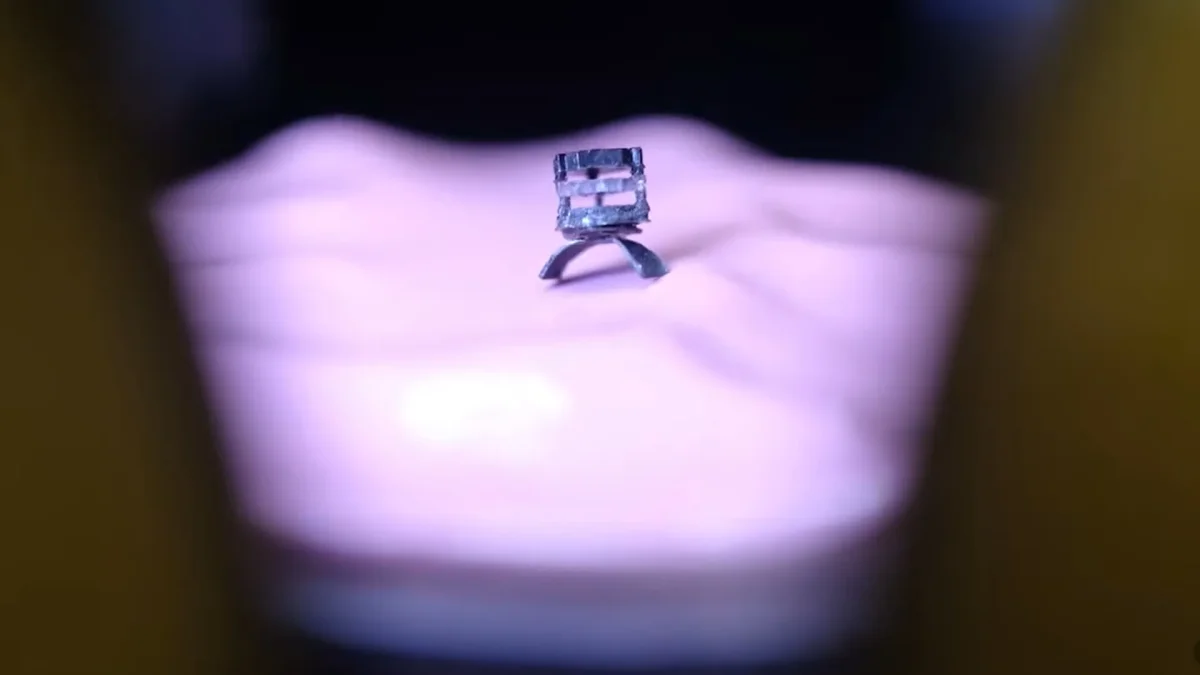
A groundbreaking seed-sized surgical robot has been developed, boasting five distinct functions within a 4.4-mm frame. This innovative device leverages magnetic fields to rapidly switch between tools, completing the process in under a second. The miniaturized robot has the potential to significantly enhance surgical precision and efficiency, paving the way for new medical advancements.
Key Facts
-
Robot Size 4.4 mm
-
Number of Functions 5
-
Tool Switching Time Under 1 second
-
Technology Used Magnetic fields
Impact
The introduction of this micro-robot is expected to have a profound impact on the medical field, particularly in the realm of minimally invasive surgeries. By providing surgeons with a versatile and precise tool, it may lead to improved patient outcomes, reduced recovery times, and enhanced overall quality of care. Furthermore, the robot's compact size and rapid tool switching capability could enable procedures that were previously deemed too complex or risky to perform. The potential applications of this technology extend beyond surgical procedures, as it may also be used in fields such as diagnostics, research, and education. As the development of micro-robots continues to advance, we can anticipate significant breakthroughs in various industries, driving innovation and progress. The integration of these devices into existing medical systems and protocols will be crucial in realizing their full potential and ensuring seamless adoption. As the medical community begins to adopt this technology, it is essential to address concerns regarding safety, efficacy, and accessibility. Regulatory bodies, healthcare institutions, and manufacturers must collaborate to establish guidelines and standards for the development, testing, and implementation of micro-robots in surgical settings. By doing so, we can mitigate potential risks and ensure that these innovative devices are used to their full potential, ultimately benefiting patients and advancing the field of medicine.
Key Insights
-
1
Technological Advancements
The development of this micro-robot highlights the rapid progress being made in the field of robotics and medical technology.
-
2
Medical Applications
The potential uses of this device extend beyond surgical procedures, with possible applications in diagnostics, research, and education.
-
3
Industry Trends
The growing demand for minimally invasive procedures and the increasing adoption of robotic technologies in healthcare are driving the development of innovative devices like this micro-robot.
Opportunities
The emergence of this micro-robot presents significant business and technological opportunities. Manufacturers can focus on refining and expanding the capabilities of these devices, while healthcare institutions can invest in training and infrastructure to support their adoption. Additionally, the development of complementary technologies, such as advanced imaging systems and surgical simulators, can further enhance the effectiveness of micro-robots in medical settings. As the market for micro-robots continues to grow, we can expect to see increased collaboration between industry leaders, researchers, and regulatory bodies. This cooperation will be essential in driving innovation, ensuring safety and efficacy, and establishing standards for the development and implementation of these devices. By capitalizing on these opportunities, companies and institutions can position themselves at the forefront of the medical technology industry, driving growth and progress in the years to come.
Risks & Challenges
Despite the potential benefits of this micro-robot, there are several risks and challenges associated with its development and adoption. One of the primary concerns is ensuring the safety and efficacy of these devices, particularly in complex surgical procedures. Regulatory bodies must establish rigorous testing protocols and guidelines to mitigate potential risks and guarantee that micro-robots meet stringent safety standards. Another significant risk is the potential for unequal access to this technology, particularly in resource-constrained environments. The high cost of developing and implementing micro-robots may limit their adoption in certain regions, exacerbating existing healthcare disparities. Furthermore, the reliance on advanced technologies and specialized training may create new barriers to entry for medical professionals, potentially widening the gap between those who have access to these innovative devices and those who do not.
Source url: https://interestingengineering.com/ai-robotics/seed-sized-robot-switches-five-surgical-tools
Related Articles