Breakthrough in Nuclear Fallout Research: Scientists Recreate Radioactive Particles in Lab
NewsHub
May 24, 2026
1 min read
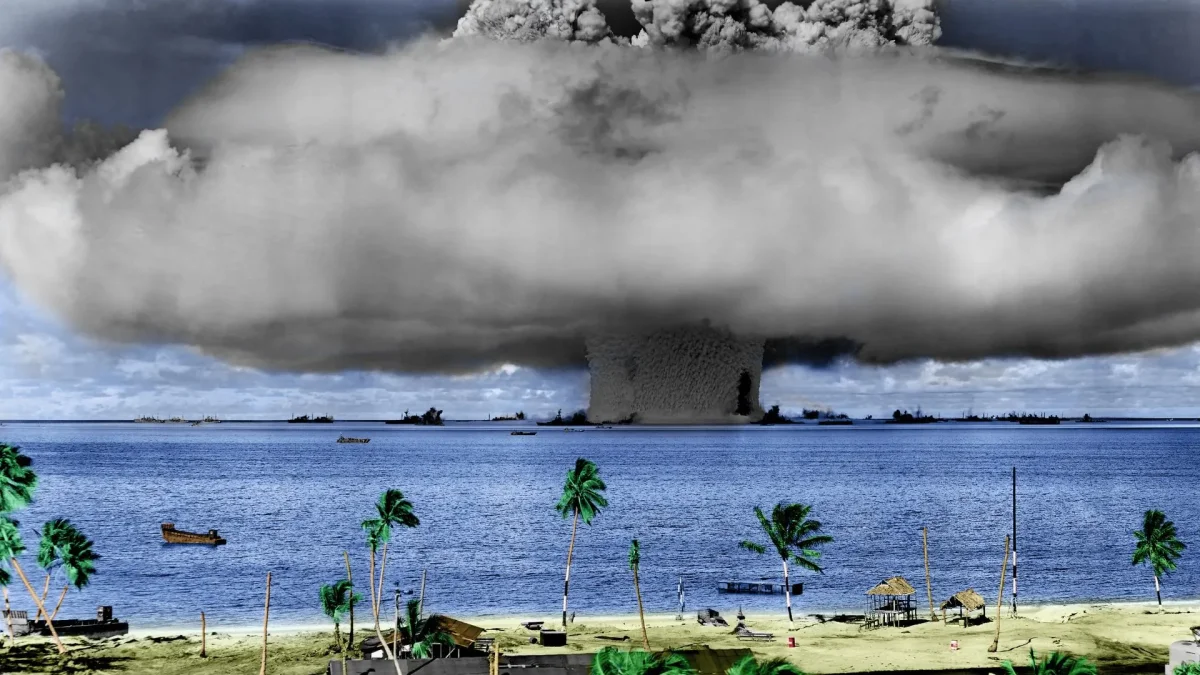
Researchers have successfully simulated the formation of nuclear fallout in a controlled environment, gaining valuable insights into the role of heat and chemistry in shaping radioactive particles. This breakthrough could significantly advance our understanding of nuclear reactions and their effects on the environment. The study's findings have the potential to inform strategies for mitigating the impact of nuclear accidents and improving radiation protection measures.
Key Facts
-
Methodology Lab simulation
-
Focus Area Radioactive particle formation
-
Goal Understand heat and chemistry's role in shaping particles
Impact
The successful recreation of nuclear fallout in a lab setting could have far-reaching implications for various fields, including nuclear safety, environmental science, and public health. By shedding light on the mechanisms that govern radioactive particle formation, this research can help inform the development of more effective radiation protection measures and emergency response strategies. Furthermore, the study's findings may also contribute to a better understanding of the environmental and health impacts of nuclear accidents, ultimately supporting more informed decision-making and policy development.The research's impact extends beyond the scientific community, as its applications can benefit society as a whole. For instance, the insights gained from this study could be used to improve nuclear power plant safety, enhance radiation monitoring and detection capabilities, and develop more effective countermeasures against nuclear threats. Additionally, the knowledge generated by this research can contribute to the development of more robust and resilient nuclear energy systems, which are essential for meeting the world's growing energy demands while minimizing environmental risks.The study's findings also underscore the importance of continued investment in scientific research and development, particularly in areas related to nuclear safety and security. By supporting innovative research initiatives and collaborations, governments and private organizations can help drive progress in these critical fields, ultimately contributing to a safer and more sustainable future for all.
Key Insights
-
1
Scientific Significance
Advances understanding of nuclear reactions and radioactive particle formation
-
2
Practical Applications
Informs radiation protection measures and emergency response strategies
-
3
Broader Implications
Contributes to the development of more robust and resilient nuclear energy systems
Opportunities
The breakthrough in nuclear fallout research presents several opportunities for business and technological innovation. For example, companies specializing in radiation detection and monitoring equipment may be able to develop more advanced and effective products, leveraging the insights gained from this study to improve their designs and capabilities. Additionally, the research's focus on simulating nuclear reactions in a controlled environment could lead to the development of new technologies and methods for managing and mitigating the effects of nuclear accidents.The study's findings may also create opportunities for collaboration and knowledge-sharing between researchers, industry experts, and policymakers. By working together to apply the insights gained from this research, these stakeholders can drive progress in nuclear safety and security, ultimately supporting the development of more sustainable and resilient energy systems. Furthermore, the research's emphasis on understanding the complex interactions between heat, chemistry, and radioactive particles could lead to the discovery of new materials and technologies with potential applications in a range of fields, from energy and environment to medicine and aerospace.
Risks & Challenges
Despite the significant potential benefits of this research, there are also risks and challenges associated with the study of nuclear fallout and radioactive particles. One of the primary concerns is the potential for accidents or unintended consequences during the simulation process, which could result in radiation exposure or environmental contamination. Moreover, the handling and storage of radioactive materials require specialized facilities and equipment, as well as highly trained personnel, to ensure safety and minimize risks.Another risk is the potential for the research's findings to be misused or misinterpreted, particularly in the context of nuclear security and non-proliferation. For instance, the knowledge generated by this study could be used to develop more sophisticated nuclear weapons or to improve the design of existing ones. Therefore, it is essential to ensure that the research is conducted in a responsible and transparent manner, with adequate safeguards in place to prevent the misuse of sensitive information and technologies. Additionally, the international community must continue to work together to establish and enforce robust norms and regulations governing the use of nuclear energy and technologies, ultimately supporting a safer and more secure world for all.
Source url: https://interestingengineering.com/military/scientists-build-miniature-radioactive-dust-nuclear-fireballs
Related Articles