France Embraces Open-Source Revolution, Ditches US Tech Giant
NewsHub
Apr 12, 2026
1 min read
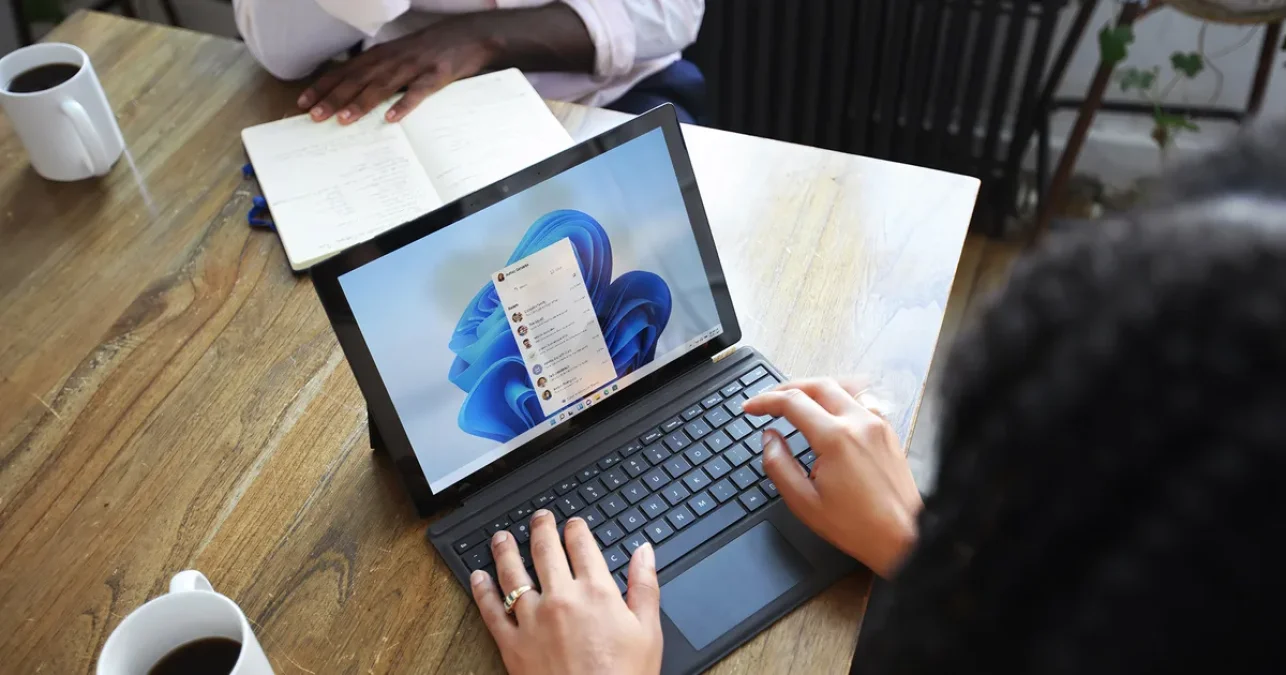
In a bid to boost digital autonomy, France is set to abandon Windows in favor of Linux, a move aimed at reducing dependence on American technology and fortifying its cyber defenses. This strategic shift is expected to have far-reaching implications for the country's tech landscape. By adopting open-source solutions, France seeks to enhance its digital sovereignty and mitigate potential risks associated with relying on foreign technologies.
Key Facts
-
Country Involved France
-
Technology Being Replaced Windows
-
Replacement Technology Linux
-
Motivation Reducing reliance on US technology and strengthening digital sovereignty
Impact
The decision to adopt Linux is likely to have significant impacts on France's tech industry. It may lead to increased investment in open-source technologies and the development of local IT expertise. Additionally, this move could inspire other countries to reevaluate their own technological dependencies and consider similar shifts towards open-source solutions. The transition to Linux may also pose challenges for French businesses and government agencies, particularly in terms of compatibility and training. However, the long-term benefits of enhanced digital autonomy and reduced reliance on foreign technologies could outweigh these initial hurdles. Furthermore, this move may also have geopolitical implications, as France asserts its independence in the tech sphere and potentially sets a precedent for other nations to follow suit.
Key Insights
-
1
Digital Sovereignty
The ability of a nation to control its own digital destiny, free from undue influence by foreign technologies or entities.
-
2
Open-Source Technologies
Software solutions whose source code is freely available, allowing for customization, modification, and community-driven development.
-
3
Technological Independence
A nation's capacity to develop and maintain its own technological capabilities, without relying on foreign imports or dependencies.
Opportunities
This shift towards Linux presents opportunities for French businesses to develop and market open-source solutions, both domestically and internationally. It may also attract foreign investment in France's tech sector, as companies recognize the country's commitment to digital autonomy and innovation. Moreover, the adoption of open-source technologies could facilitate collaboration between French researchers, developers, and industry leaders, driving innovation and the creation of new technologies.
Risks & Challenges
The transition to Linux may pose risks related to compatibility, training, and potential disruptions to critical systems. Additionally, the development of custom Linux solutions may require significant investment in research and development, which could be costly and time-consuming. Furthermore, there is a risk that France's move towards digital sovereignty could be perceived as protectionist or isolationist, potentially straining relationships with international partners and allies. This could have broader geopolitical implications, affecting not only the tech sector but also France's position on the global stage.
Source url: https://www.digitaltrends.com/computing/france-says-au-revoir-to-windows-bonjour-to-linux/
Related Articles