
India Receives First LNG Shipment Through Strait of Hormuz Since Regional Conflict Escalation
NewsHub
May 24, 2026
1 min read
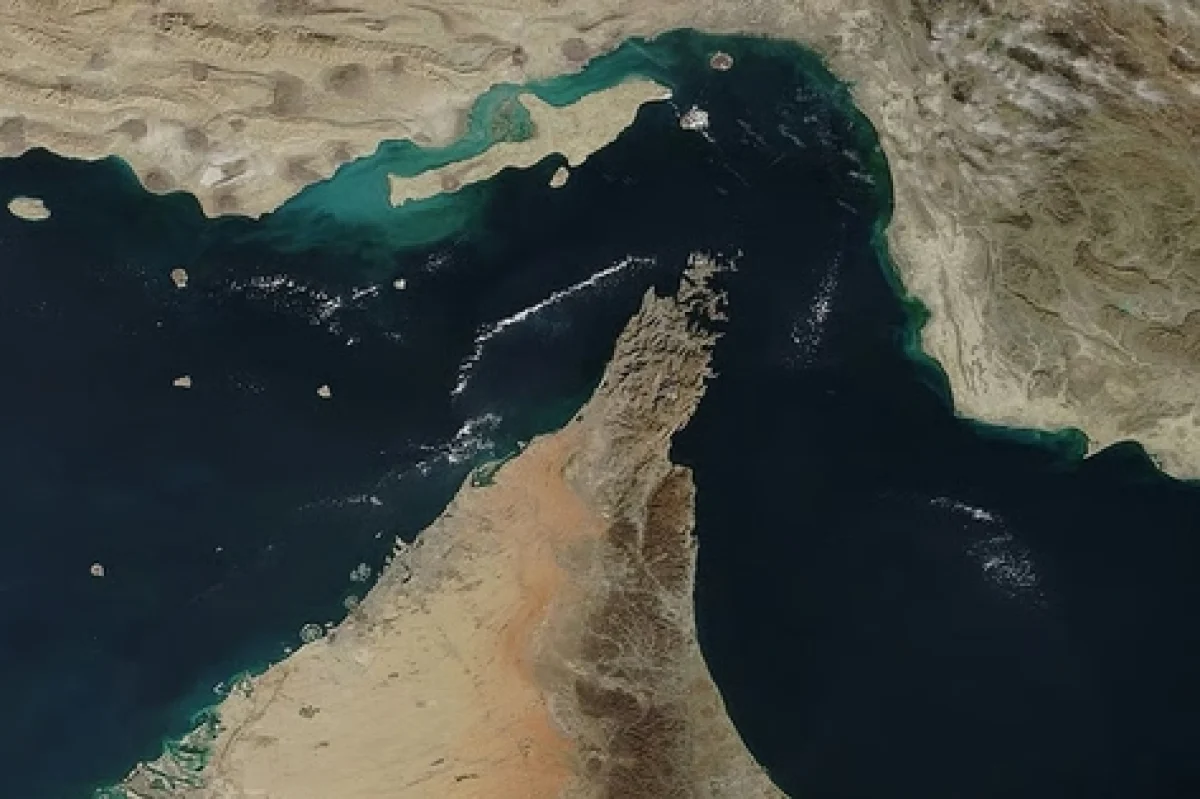
A vessel transporting liquefied natural gas destined for India has successfully navigated out of the Strait of Hormuz, marking a significant development. This is the initial journey of its kind for an Indian-bound LNG carrier since the commencement of hostilities in the Persian Gulf region. The safe passage highlights a potential easing of maritime transit concerns for vital energy resources.
Key Facts
-
Voyage Destination India
-
Cargo Type Liquefied Natural Gas (LNG)
-
Passage Point Exited the Strait of Hormuz
-
Significance First Indian-bound LNG tanker voyage through the strait since Iran conflict began
Impact
This successful transit has immediate implications for India's energy security, ensuring the continued flow of a critical fuel source. It also suggests a possible stabilization of shipping routes within a highly volatile geopolitical area. For global energy markets, it could signal a degree of resilience against regional disruptions, potentially influencing price stability and supply chain confidence. The resumption of such voyages, even if isolated for now, may encourage other energy importers to re-evaluate their shipping strategies for the region. It could lead to a gradual return of confidence among shipping companies and insurers operating in the Persian Gulf, provided the security situation remains conducive.
Key Insights
-
1
Geopolitical Indicator
The safe passage of the LNG tanker suggests a temporary de-escalation or a controlled operational environment within the Strait of Hormuz, despite ongoing regional tensions.
-
2
Energy Security Resilience
India's ability to secure this LNG shipment demonstrates a capacity to navigate complex geopolitical challenges and maintain vital energy imports.
-
3
Market Sentiment
This event could provide a much-needed boost to market sentiment regarding the safety of maritime trade in the Persian Gulf, potentially mitigating fears of severe supply chain disruptions.
Opportunities
This development could present opportunities for shipping and logistics companies specializing in navigating high-risk areas. It also signals potential for increased demand for energy trading and brokerage services as trade routes normalize. Furthermore, it might encourage investment in more resilient and diversified energy infrastructure to mitigate future supply chain vulnerabilities.
Risks & Challenges
Despite this positive development, the underlying geopolitical tensions in the Persian Gulf remain a significant risk. Any resurgence of conflict or escalation of hostilities could quickly jeopardize maritime traffic and lead to renewed disruptions, potentially impacting global energy prices and availability. The security of future voyages will be heavily dependent on the evolving regional political landscape and the effectiveness of de-escalation efforts. Furthermore, while this specific voyage was successful, the long-term implications are uncertain. Insurance premiums for vessels transiting the Strait of Hormuz may remain elevated, and shipping companies will likely continue to exercise extreme caution. The possibility of opportunistic attacks or miscalculations by regional actors cannot be entirely discounted, posing a persistent threat to trade flows.
Related Articles