Arctic Oil Resurgence: A New Era for Alaska's Energy Sector
NewsHub
May 24, 2026
1 min read
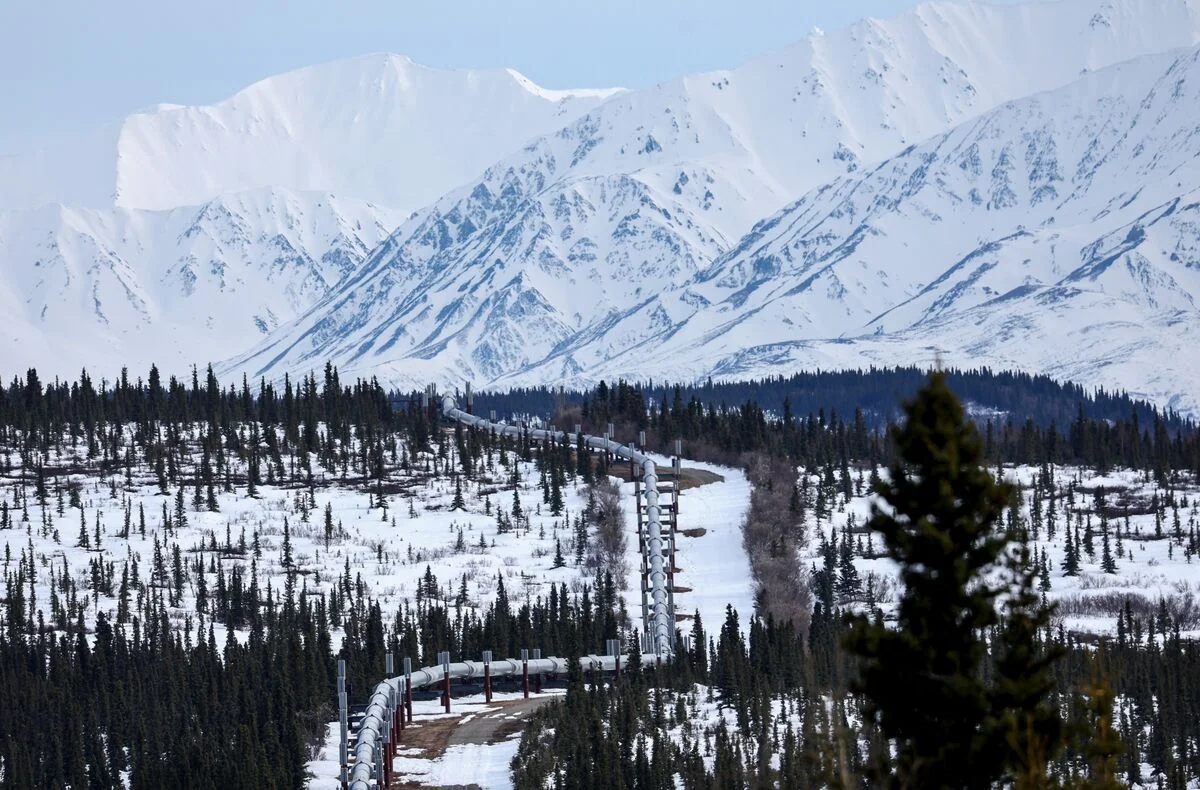
Alaska's North Slope, once a thriving oil field, is experiencing a revival. After a decline in production, new investments and technologies are sparking a fresh energy rush into the Arctic region. This resurgence is expected to create new opportunities and challenges for the local economy and environment.
Key Facts
-
Location Alaska's North Slope
-
Year of Decline 2009
-
Industry Oil and Gas
Impact
The social impacts of the oil revival should not be overlooked. The influx of new workers and investment may bring benefits to local communities, but it also poses risks, such as increased costs of living and potential disruptions to traditional ways of life. Indigenous communities, in particular, may face challenges in protecting their lands, cultures, and rights in the face of large-scale industrial development.
Key Insights
-
1
Economic Insight
The oil revival may create new opportunities for economic growth and development in Alaska
-
2
Environmental Insight
The increased oil production may pose significant environmental risks, including habitat destruction and climate change
Opportunities
The oil revival may also drive investment in infrastructure, such as roads, ports, and pipelines. This could create opportunities for construction and engineering firms, as well as companies providing related services, such as surveying and mapping. Furthermore, the increased economic activity may attract new residents and visitors to the region, potentially boosting tourism and local entrepreneurship.
Risks & Challenges
The oil revival also poses social and economic risks, including the potential displacement of indigenous communities and the disruption of traditional ways of life. The influx of new workers and investment may drive up costs of living and create social tensions, particularly if local residents do not see benefits from the oil production. Furthermore, the boom-and-bust cycle of the oil industry may create economic instability, leaving communities vulnerable to economic downturns.
Related Articles