
Unlocking the Chick-fil-A Secret: Expert Shares Copycat Recipe, CEO Hints at Flavor Key
NewsHub
Apr 19, 2026
1 min read
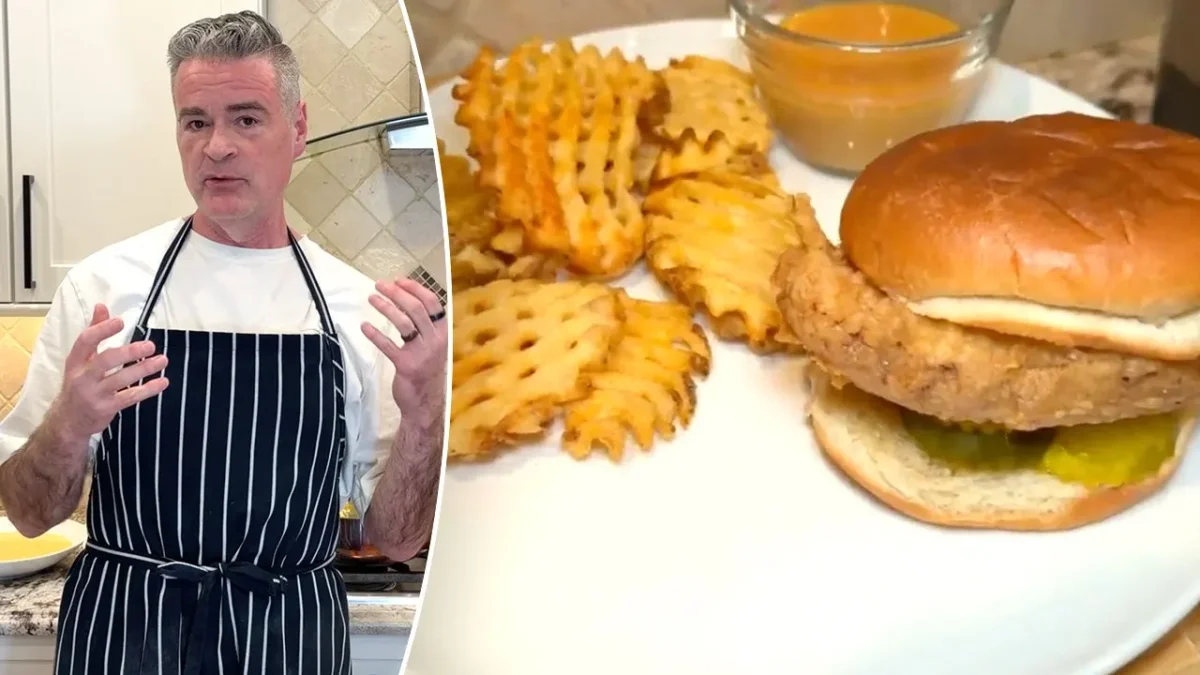
A culinary expert based in Connecticut has unveiled a detailed methodology for creating a homemade version of Chick-fil-A's iconic chicken sandwich. The technique involves marinating the chicken in pickle juice, applying a double layer of breading, and pan-frying until crispy. This revelation comes alongside reports that Chick-fil-A's CEO has offered insight into a crucial ingredient that contributes to the original's distinctive flavor profile. The news provides home cooks with a pathway to replicate the popular fast-food taste, highlighting specific preparation steps deemed essential for authenticity.
Key Facts
-
Recipe Originator Restaurant industry expert in Connecticut
-
Marinade Method Pickle juice
-
Breading Technique Double-coated
-
Cooking Method Crispy pan-frying
-
CEO's Contribution Shared insight into a key ingredient for original flavor
Impact
This news significantly impacts home cooks and food enthusiasts, offering a tangible guide to recreate a highly popular restaurant item. The detailed steps, particularly the pickle juice marinade and double breading, demystify what many consider a secret recipe, empowering consumers to experiment and personalize their fast-food favorites at home. This can lead to increased culinary exploration in home kitchens, potentially reducing reliance on takeout for certain dishes. For the broader restaurant industry, this development highlights the ongoing consumer fascination with reverse-engineering popular menu items. Competitors might find inspiration in the publicly shared techniques, leading to innovations in their own chicken sandwich offerings. It also underscores the power of specific flavor profiles and textures (like 'crispy pan-frying') in creating memorable dishes that customers actively seek to replicate. Chick-fil-A, while not directly revealing its recipe, benefits from the continued buzz around its product and the validation of its unique taste.
Key Insights
-
1
Consumer Trends
Strong demand for DIY versions of popular restaurant dishes, driven by a desire for customization, cost savings, and culinary exploration.
-
2
Culinary Engineering
The revelation underscores how specific techniques (marinade, breading, cooking method) are critical components in achieving a distinctive and beloved food product.
-
3
Brand Mystique
The ongoing intrigue around 'secret ingredients' or proprietary recipes continues to fuel public interest and generate discussions around established brands like Chick-fil-A.
-
4
Value Proposition
The 'copycat' phenomenon suggests consumers value specific sensory experiences (flavor, texture) found in fast food and are willing to invest effort to replicate them at home.
Opportunities
For entrepreneurs and businesses in the culinary space, this trend opens doors for innovative product development. Companies could launch pre-packaged ingredient kits tailored for popular copycat recipes, including specialized breading mixes, brine solutions, or cooking oils designed to mimic restaurant quality. Online platforms and content creators have a clear opportunity to produce detailed video tutorials, recipe blogs, and interactive cooking classes focused on replicating iconic fast-food items, monetizing through advertising, sponsorships, or premium subscriptions. Technologically, there's potential for apps or AI tools that analyze ingredient profiles and cooking methods to suggest optimal substitutions or adjustments for home cooks aiming for specific taste and texture outcomes. Furthermore, kitchen appliance manufacturers might see increased interest in specific frying equipment or marinating tools that aid in achieving professional-level results at home.
Risks & Challenges
One primary risk for Chick-fil-A is the potential dilution of its unique brand identity and product exclusivity. If widespread adoption of highly accurate copycat recipes leads consumers to perceive homemade versions as equally satisfying, it could, in the long term, slightly reduce the mystique or the 'need' for the original. While likely not a major threat to a well-established brand, it could shift some purchasing habits or influence consumer perception of the 'value' of the restaurant experience versus a homemade alternative. For consumers attempting these recipes, there are risks associated with inconsistent results, leading to disappointment and wasted ingredients. Without professional equipment or expertise, achieving the precise taste and texture of a commercial kitchen can be challenging. Furthermore, health risks could arise if home cooks frequently prepare fried foods without proper ventilation or consume larger portions than typically found in restaurant servings, potentially impacting dietary health if not managed carefully.
Related Articles