Middle East Dynamics: US-Iran De-escalation Efforts Amid Escalating Israel-Lebanon Conflict
NewsHub
May 27, 2026
1 min read
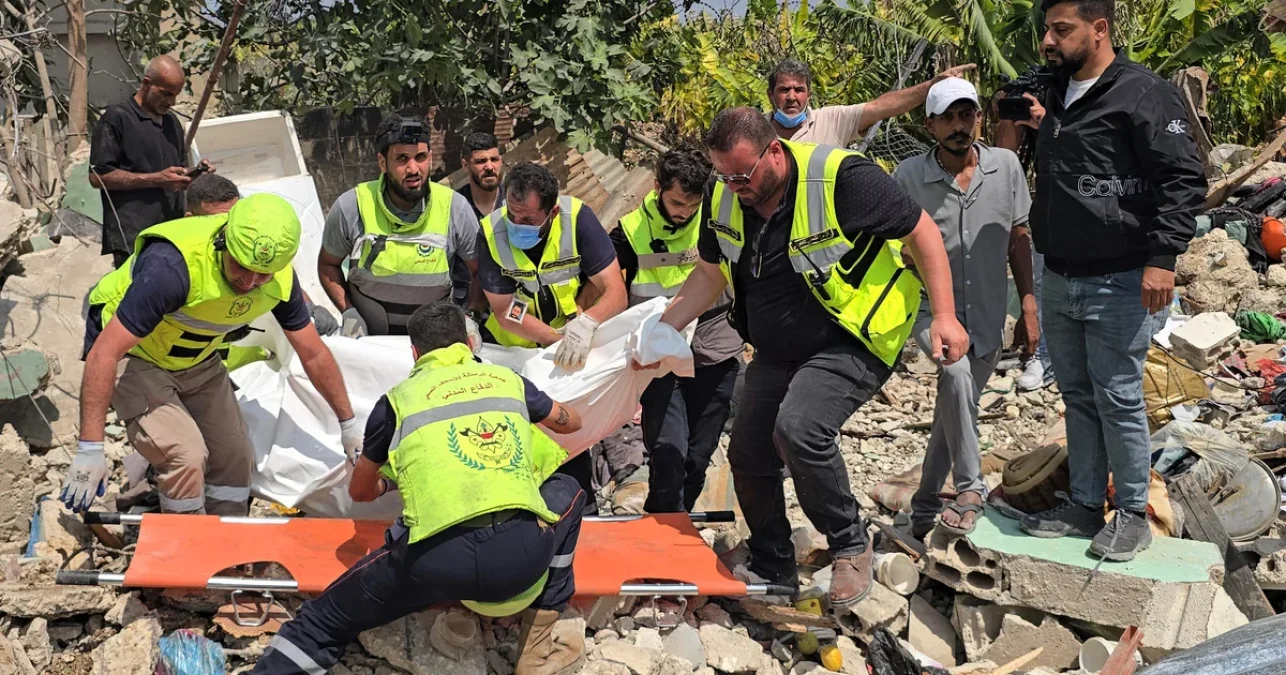
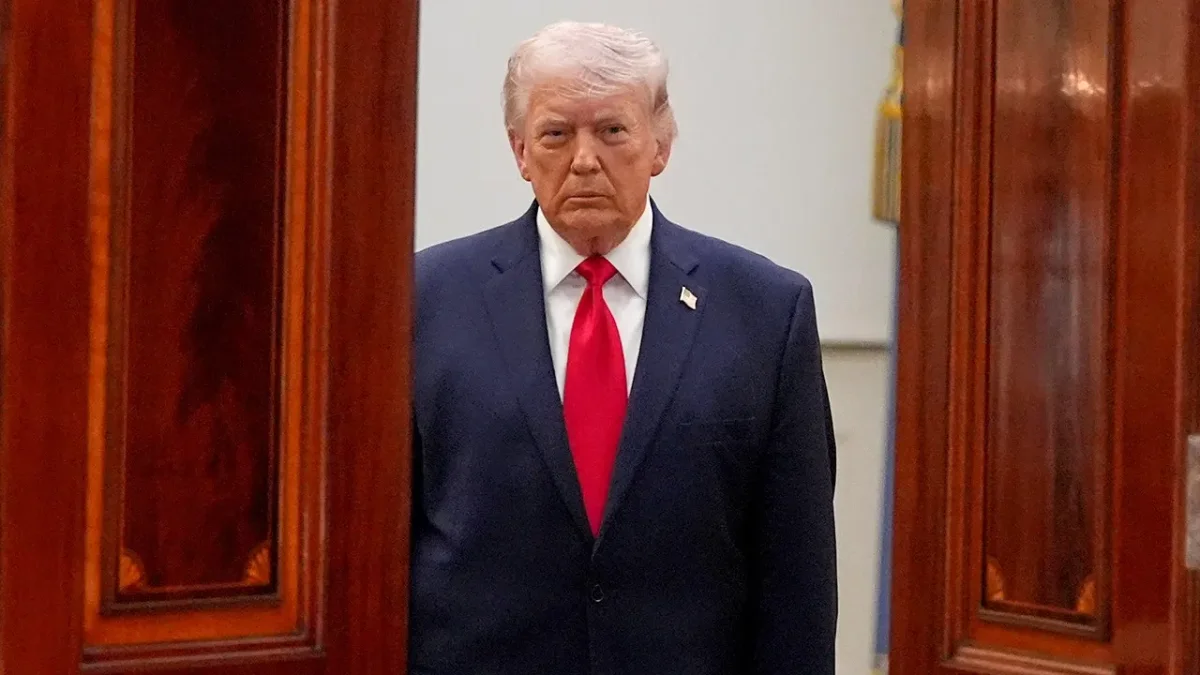
As of May 27, 2026, a complex divergence in Middle Eastern geopolitics is unfolding. The United States and Iran are reportedly making progress towards de-escalation, despite continued public posturing, signaling a potential shift in their contentious relationship. Concurrently, Israel has significantly intensified its military operations in Lebanon, expanding what is described as a deadly conflict. This simultaneous movement suggests a delicate regional rebalancing, where diplomatic breakthroughs on one front may be accompanied by intensified hostilities on another, raising questions about interconnected strategic calculations and regional stability.
Key Facts
-
Date May 27, 2026
-
US-Iran Status Appearing near a deal, moving towards de-escalation despite bluster.
-
Israel's Actions Ramping up war, expanding deadly attacks in Lebanon.
-
Conflict Location Lebanon
-
Nature of Conflict Complex regional war
Impact
The concurrent developments of potential US-Iran de-escalation and intensified Israeli military action in Lebanon present significant and multifaceted impacts. A thawing of US-Iran tensions could recalibrate regional alliances, potentially reducing support for certain proxy groups and shifting diplomatic priorities. This might create new pathways for resolving long-standing issues but could also be perceived as a strategic vacuum by some regional actors, leading them to pursue their own security interests more assertively. Simultaneously, the escalation of the conflict in Lebanon carries severe humanitarian consequences, exacerbating displacement, casualties, and infrastructure damage. Economically, this could further destabilize Lebanon's already fragile state, impacting trade, investment, and essential services. Regionally, it risks drawing in other actors, widening the conflict beyond current parameters and potentially affecting global energy markets and supply chains.
Key Insights
-
1
Strategic Divergence
The principal insight is the simultaneous and seemingly contradictory trends: de-escalation between two major powers (US, Iran) while a key regional actor (Israel) escalates conflict on another front. This suggests either a calculated opportunistic move by Israel, or an independent strategic imperative unrelated to the US-Iran rapprochement.
-
2
Interconnected Geopolitics
The events highlight the deeply interconnected nature of Middle Eastern security. Progress on one diplomatic track does not guarantee regional calm and can, in some cases, create conditions for heightened conflict elsewhere as actors adjust to evolving power dynamics and perceived shifts in external support or engagement.
-
3
Pressure Points
The escalation in Lebanon could be an Israeli attempt to neutralize threats or achieve security objectives while broader international attention is focused on US-Iran talks, or it could be a direct response to perceived threats or provocations. It also reveals the ongoing fragility of a region where de-escalation among state actors doesn't automatically translate to an end to proxy conflicts.
Opportunities
While conflict persists, potential de-escalation between the U.S. and Iran could open doors for diplomatic initiatives focused on broader regional stability in the long term. This might include renewed efforts for multilateral security dialogues, arms control discussions, and mechanisms for conflict resolution that involve a wider array of regional stakeholders. Furthermore, if a deal solidifies, it could pave the way for increased international investment in critical infrastructure and economic development across the broader Middle East, particularly in sectors like renewable energy and technology, contingent on improved security. In the immediate context of the Lebanon conflict, there's a continued, albeit challenging, opportunity for humanitarian organizations to expand aid efforts and for international bodies to broker ceasefires and ensure safe passage for civilians. Post-conflict, if stability is achieved, significant opportunities would emerge in reconstruction, urban planning, and the revitalization of Lebanon's service economy, attracting foreign aid and specialized engineering and construction firms.
Risks & Challenges
The most immediate risk is the continued and potentially expanded escalation of hostilities in Lebanon. This could lead to a broader regional conflict, drawing in other state and non-state actors, with severe humanitarian costs, mass displacement, and potentially destabilizing spillover effects into neighboring countries. Such an escalation would also pose a significant threat to global energy supplies and maritime trade routes, triggering economic shocks and further global inflationary pressures. Another substantial risk lies in the delicate balance of the proposed US-Iran de-escalation. Should these talks falter or collapse under the weight of regional events, it could reignite an even more volatile period of confrontation. This could undermine diplomatic efforts, harden positions, and lead to increased proliferation concerns. Furthermore, divergence between US and Israeli strategic interests regarding Iran could strain their bilateral relations, complicating future coordinated responses to regional challenges.
Source url: https://www.cbsnews.com/live-updates/iran-war-trump-us-israel-hezbollah-lebanon/
Related Articles