
Trump Administration Implements Offshore Ebola Quarantine, Bans U.S. Entry for Infected Citizens
NewsHub
May 28, 2026
1 min read
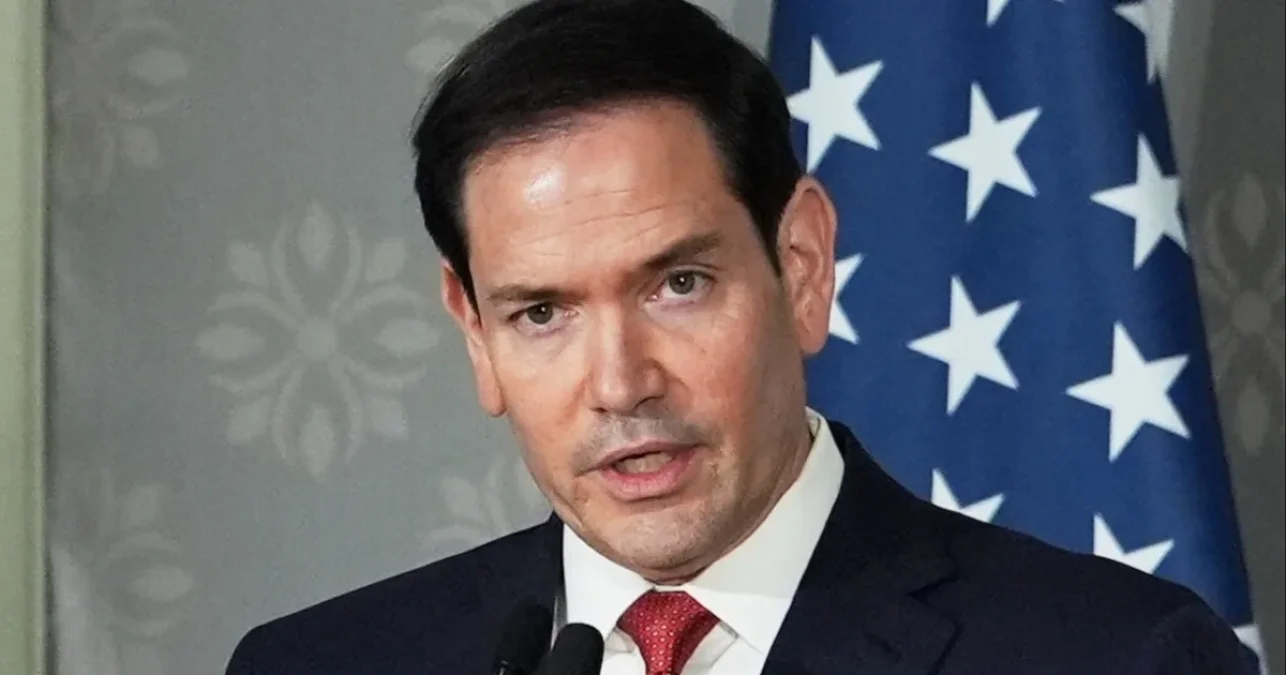
The Trump administration has announced a significant shift in its strategy for managing Ebola cases involving American citizens. Secretary of State Marco Rubio has confirmed that individuals infected with the deadly Ebola virus will no longer be permitted entry into the United States. Instead, the administration plans to establish a dedicated quarantine and treatment facility in Kenya for Americans exposed to the virus overseas. This policy aims to contain the pathogen abroad, providing care for exposed citizens in a foreign location while strictly preventing its introduction to U.S. soil. The move underscores a proactive measure to safeguard domestic public health, though it raises questions regarding international cooperation and ethical considerations.
Key Facts
-
Administration Trump Administration
-
Key Official Announcing Policy Secretary of State Marco Rubio
-
Primary Policy 1 Establishment of an overseas Ebola quarantine and treatment facility.
-
Primary Policy 2 Prohibition of U.S. entry for Ebola patients (including citizens).
-
Designated Facility Location Kenya
-
Disease Addressed Ebola Virus Disease (EVD)
-
Target Group American citizens exposed to or infected with Ebola overseas.
Impact
This policy carries significant implications for both public health and international relations. Domestically, it is intended to bolster U.S. biosecurity by preventing the return of infected individuals, potentially assuaging public fears regarding highly infectious diseases. However, it raises substantial humanitarian concerns about the care and rights of American citizens, who would be treated abroad, potentially isolated from their families and familiar healthcare systems. The policy could also strain medical resources in host nations, even with U.S. support, and complicate global public health emergency responses by setting a precedent for externalizing health risks. Geopolitically, establishing a U.S.-managed medical facility on foreign soil and enacting an entry ban for citizens is a bold diplomatic move. While it could be framed as a cooperative effort to enhance global health security, it also risks being perceived as a unilateral assertion of policy that shifts domestic health burdens to other countries. This could influence bilateral relations with Kenya and other nations, potentially setting a new standard for how countries address severe infectious disease threats involving their nationals overseas.
Key Insights
-
1
Public Health Strategy Shift
The policy signals a departure from traditional medical repatriation, opting for an offshore containment model for severe infectious diseases. This prioritization of domestic health security reflects an evolving understanding of border control in the context of biological threats, potentially redefining international norms for managing outbreaks involving citizens abroad.
-
2
National Security Rationale
The directive from the Secretary of State underscores a perception of Ebola as a significant national security threat, requiring stringent measures, including an effective border closure to infected citizens. This approach reflects a broadened interpretation of national security to encompass biological threats and highlights a willingness to implement assertive, potentially isolationist, measures to protect the homeland.
-
3
Ethical and Legal Dilemmas
The policy immediately raises ethical questions about a government's responsibility to its citizens, especially when critically ill. Debates will likely center on the right to return, access to advanced medical care, and potential for stigmatization of affected individuals or host nations. The legal basis for a blanket entry ban on citizens also faces scrutiny, potentially setting precedents that challenge established international human rights and citizenship rights.
Opportunities
The establishment of an advanced Ebola quarantine and treatment facility in Kenya presents opportunities for significant investment in regional health infrastructure and biosecurity capabilities. This could include the deployment of cutting-edge medical technologies, specialized training programs for local healthcare professionals, and the development of robust protocols for managing infectious diseases, which would benefit Kenya's health system beyond just Ebola response. Such initiatives could foster stronger medical research collaboration and enhance the overall health security landscape in East Africa. From a business and technological perspective, this move could spur innovation in several areas. Opportunities may arise for companies specializing in high-containment medical facilities, rapid diagnostic testing, telemedicine solutions for remote patient monitoring, and logistics for complex medical evacuations. Furthermore, the need for secure, resilient supply chains for pharmaceuticals and personal protective equipment in challenging environments could create new market demands and partnerships.
Risks & Challenges
This policy carries substantial risks, including potential diplomatic tensions with Kenya, which might view hosting such a facility as an undesirable burden or a perceived violation of sovereignty, despite U.S. assurances. There is also a risk that a large-scale outbreak could overwhelm the offshore facility, or that the virus could spread within the host country despite stringent U.S. containment measures, leading to local resentment and undermining trust in international health efforts. Furthermore, restricting the entry of critically ill citizens could provoke legal challenges within the U.S., potentially fueling accusations of abandoning citizens and setting a concerning precedent that could erode international human rights norms regarding medical care and repatriation. The logistical complexities and long-term sustainability of operating a high-containment medical facility in a foreign country are considerable. Ensuring that the care provided meets U.S. standards, guaranteeing the safety of medical personnel, and managing patient transfers effectively across vast distances pose significant operational challenges. Any failure in these areas could not only compromise patient outcomes but also damage public confidence in the administration's ability to safeguard its citizens and manage global health crises, potentially impacting future international cooperation on health issues.
Source url: https://www.cbsnews.com/video/marco-rubio-says-no-more-ebola-patients-allowed-us/
Related Articles