
Federal Court Halts Alabama Redistricting Plan, Citing Racial Bias
NewsHub
May 26, 2026
1 min read
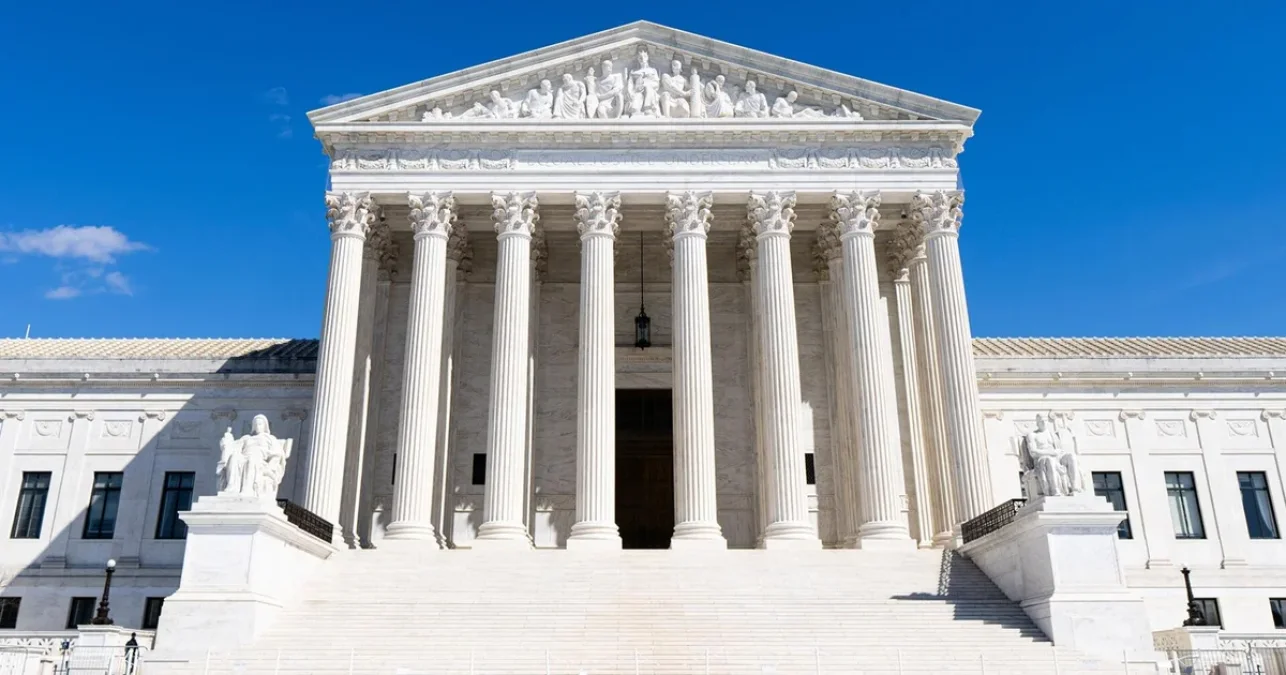
A federal court has blocked Alabama's congressional redistricting plan, ruling it intentionally discriminates against Black voters. The decision is set to be appealed to the Supreme Court, sparking a heated debate over voting rights and representation. The ruling has significant implications for the state's electoral landscape and the broader national conversation on racial equity in politics.
Key Facts
-
Location Alabama
-
Type of Case Redistricting plan
-
Court Decision Blocked due to racial bias
-
Next Step Appeal to the Supreme Court
Impact
The court's decision is expected to have far-reaching consequences for Alabama's electoral map and the representation of Black voters in the state. The ruling may also set a precedent for similar cases in other states, potentially leading to a shift in the national electoral landscape. Furthermore, the decision highlights the ongoing struggle for racial equity in American politics and the need for continued vigilance in protecting voting rights.The impact of the decision will be closely watched by politicians, activists, and voters alike, as it has the potential to influence the outcome of future elections in Alabama and beyond. The ruling may also lead to increased scrutiny of redistricting plans in other states, potentially resulting in changes to the electoral maps in several regions.The blocked redistricting plan has significant implications for the balance of power in Alabama's congressional delegation and the state's political landscape. The decision may lead to a reassessment of the state's electoral strategy and the role of race in shaping the political narrative.
Key Insights
-
1
Voting Rights
The decision underscores the importance of protecting voting rights and ensuring equal representation for all citizens, regardless of race or ethnicity.
-
2
Redistricting Process
The ruling highlights the need for a fair and transparent redistricting process, free from partisan manipulation and racial bias.
-
3
National Implications
The case has significant implications for the national conversation on racial equity and voting rights, potentially influencing the outcome of future elections and the shape of the electoral landscape.
Opportunities
The decision presents opportunities for technology companies to develop innovative solutions for fair and transparent redistricting processes. This could include the creation of advanced mapping tools, data analytics platforms, and civic engagement applications that promote equal representation and protect voting rights.The ruling also presents opportunities for businesses to engage in civic activism and advocacy, promoting diversity, equity, and inclusion in the electoral process. Companies can support organizations working to protect voting rights, promote civic education, and foster a more inclusive and equitable political environment.
Risks & Challenges
The decision poses significant risks for politicians and political parties that have historically benefited from gerrymandered districts and discriminatory redistricting practices. The ruling may lead to a loss of power and influence for these groups, potentially resulting in a shift in the political landscape.The blocked redistricting plan also poses risks for the state of Alabama, which may face legal and financial challenges in implementing a new electoral map. The decision may lead to increased tensions and conflicts between different political and racial groups, potentially resulting in social unrest and instability.
Source url: https://www.cbsnews.com/video/alabama-redistricting-congressional-map/
Related Articles