New Tools Emerge to Obscure AI-Generated Content Amidst Growing Concerns
NewsHub
Apr 25, 2026
1 min read
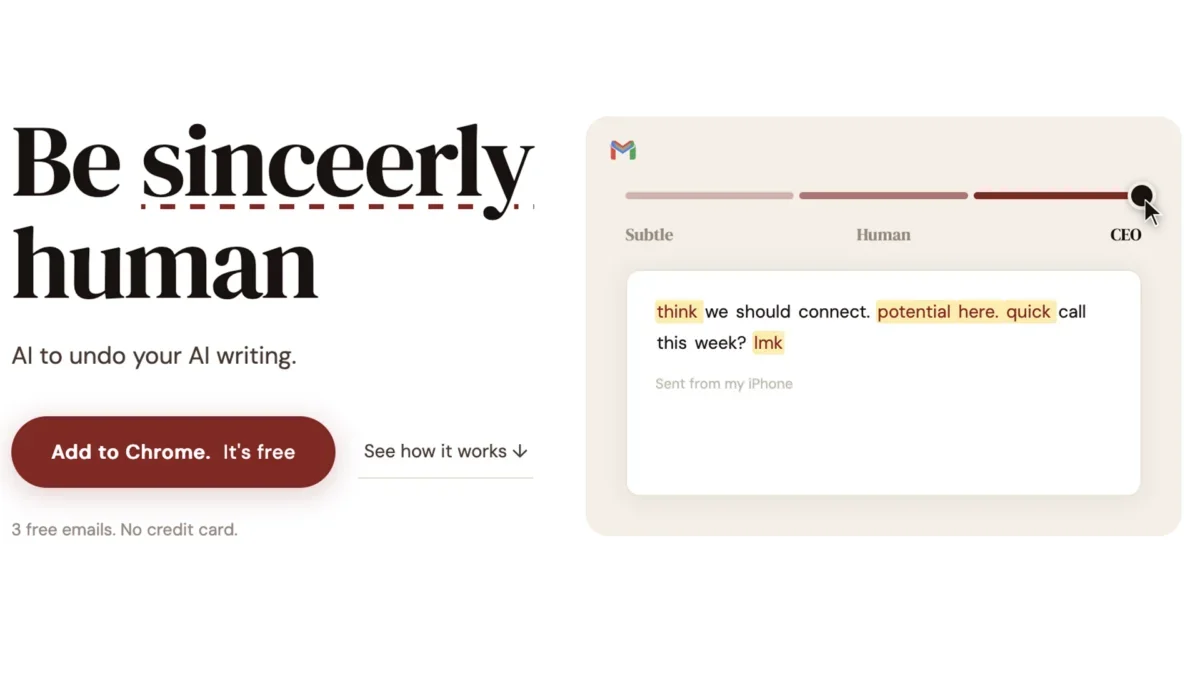
A new wave of software is emerging that aims to mask the digital fingerprints of artificial intelligence, allowing users to present AI-assisted writing as their own. This development raises questions about authenticity and the evolving landscape of content creation. As AI tools become more integrated into daily tasks, the ability to differentiate human-authored work from machine-generated text becomes increasingly blurred. The existence of such 'anti-AI' tools highlights a growing societal tension between the efficiency offered by artificial intelligence and the desire for genuine human expression and originality.
Key Facts
-
Emerging Technology Tools are available that can obscure the use of AI in content creation.
-
User Intent These tools are designed to help individuals hide their reliance on AI for writing tasks.
-
Content Authenticity The development blurs the lines between human and AI-generated text.
-
Societal Debate The existence of these tools reflects ongoing discussions about AI's role in creativity and communication.
Impact
The proliferation of tools designed to conceal AI authorship could significantly impact academic integrity, professional writing standards, and the very definition of original work. In educational settings, it presents a new challenge for detecting plagiarism and assessing genuine student understanding. In the professional realm, it could lead to a devaluation of human expertise if AI-generated content becomes indistinguishable from human effort, potentially affecting fields like journalism, marketing, and creative writing. Furthermore, this trend may fuel a cycle of detection and evasion. As AI detection tools improve, so too will the methods for circumventing them, creating an ongoing arms race. This could lead to increased suspicion and distrust in digital communication, as discerning the true origin of content becomes more difficult for both individuals and automated systems.
Key Insights
-
1
Evolving Definition of Authorship
The concept of 'author' is being challenged by the ability to effectively mask AI's contribution.
-
2
Digital Deception and Trust
The ease of hiding AI use could erode trust in online content and communication.
-
3
Technological Arms Race
A continuous battle between AI generation/detection and AI obfuscation/evasion is likely.
-
4
Ethical Considerations
The development and use of these tools raise significant ethical questions about transparency and intellectual honesty.
Opportunities
For technology developers, the demand for sophisticated AI obfuscation tools presents a clear market opportunity. Companies could focus on creating advanced algorithms that are adept at humanizing AI-generated text across various writing styles and formats. Beyond mere obfuscation, there's also an opportunity to build platforms that facilitate responsible AI integration, perhaps by providing transparent reporting mechanisms or tools that aid human editors in refining AI outputs to ensure quality and originality. This trend also opens avenues for educational institutions and content platforms to develop new verification strategies. Instead of solely relying on AI detection, the focus might shift towards evaluating critical thinking, unique insights, and the human element of argumentation. This could foster a more nuanced approach to content assessment, valuing the process of creation as much as the final product.
Risks & Challenges
A primary risk is the potential for widespread deception and a subsequent decline in the value of genuine human creativity and intellectual effort. If AI-generated content can be seamlessly passed off as original, it undermines the incentives for individuals to invest time and skill in developing their own unique voices and ideas. This could lead to a homogenization of online content and a loss of authentic perspectives. Another significant risk pertains to accountability and intellectual property. When AI-generated content is disguised, it becomes difficult to attribute ideas correctly or to hold individuals accountable for the information they disseminate. This could complicate legal frameworks surrounding copyright, plagiarism, and the spread of misinformation, creating a more chaotic and less regulated digital information ecosystem.
Source url: https://gizmodo.com/the-anti-grammarly-helps-people-hide-their-participation-in-the-ai-slop-era-2000750553
Related Articles