Intel Shifts Desktop Gaming Strategy, Prioritizing Software to Counter AMD's Dominance
NewsHub
Apr 25, 2026
1 min read
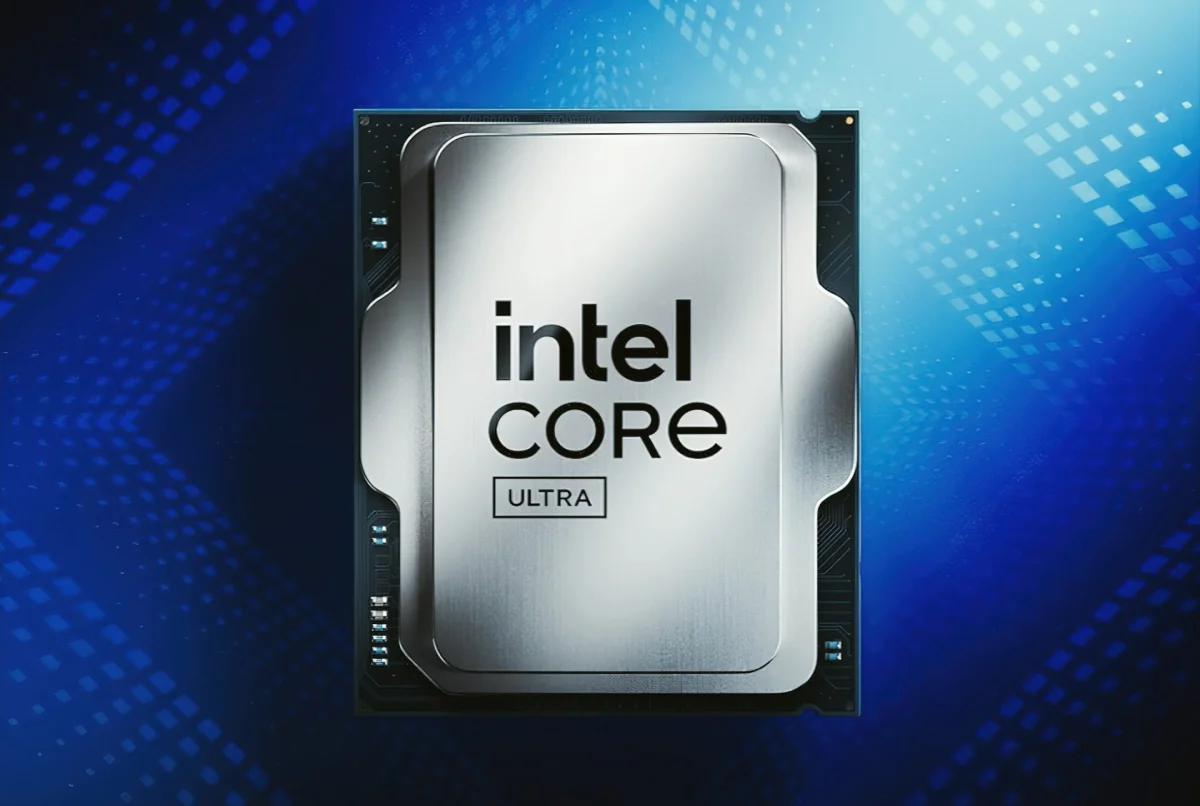
Intel has significantly altered its five-year plan for desktop gaming processors, aiming to regain a competitive edge against AMD's high-performance X3D chips. The revised strategy places a strong emphasis on integrating new software innovations alongside hardware advancements to deliver enhanced gaming experiences. This pivot signals a recognition of the critical role software plays in unlocking true gaming potential and a strategic effort to challenge AMD's current lead in the enthusiast segment. The company is investing heavily in optimizing its platform to ensure gamers see tangible performance improvements.
Key Facts
-
Strategic Pivot Intel is overhauling its desktop gaming roadmap.
-
Competitive Response The changes are designed to challenge AMD's X3D processor performance.
-
Technology Focus New hardware and software technologies are central to the revised plan.
-
Performance Goal The primary objective is to deliver faster gaming performance.
Impact
This strategic redirection by Intel could have a substantial impact on the PC gaming hardware market. By focusing on software optimization, Intel aims to extract more performance from its existing and future silicon, potentially making its processors more appealing to gamers who prioritize raw frame rates and smooth gameplay. This could intensify competition, potentially leading to more aggressive pricing and innovation from both Intel and AMD, benefiting consumers with better value and more powerful gaming rigs. Furthermore, this emphasis on software might encourage other hardware manufacturers to adopt a similar integrated approach, fostering a more holistic ecosystem for gaming technology. The shift also suggests a potential re-evaluation of how processor performance is measured and marketed. For years, the focus has been heavily on clock speeds and core counts. Intel's move indicates that sophisticated software enhancements, such as advanced driver optimizations, AI-driven performance tuning, and improved game engine integration, are becoming equally, if not more, crucial for delivering a superior gaming experience. This could lead to a new era of hardware-software co-design in the pursuit of peak gaming performance.
Key Insights
-
1
Software as a Differentiator
Intel's increased reliance on software highlights its growing importance as a competitive differentiator in the CPU market.
-
2
Evolving Performance Metrics
The emphasis on software suggests a move beyond traditional hardware specs to more nuanced performance indicators for gaming.
-
3
Ecosystem Play
This strategy could foster deeper collaboration between Intel, game developers, and software providers to optimize gaming performance.
Opportunities
This strategic shift presents a significant opportunity for Intel to reclaim market share in the enthusiast gaming segment. By demonstrating tangible performance gains through software, Intel can build stronger brand loyalty among gamers. The company can also explore new partnership models with game developers to pre-optimize titles for their architecture, creating exclusive performance advantages. This could lead to the development of new software tools and technologies that benefit the broader PC gaming community, solidifying Intel's position as a leader in gaming innovation. Furthermore, this focus opens avenues for Intel to offer unique software bundles or subscription services tied to their gaming hardware, creating recurring revenue streams and enhancing customer engagement.
Risks & Challenges
The primary risk for Intel is the execution of this ambitious software-driven strategy. Developing and integrating complex software solutions that consistently deliver performance improvements across a wide range of games and hardware configurations is a monumental task. Delays in software development or performance gains that fail to meet expectations could alienate gamers and further entrench AMD's market position. There's also the risk of alienating existing users if the software enhancements require specific hardware or lead to compatibility issues. Another significant risk is the potential for misinterpretation by the market. If Intel's messaging around software-driven performance isn't clear and compelling, it might be perceived as a sign of hardware weakness rather than strategic innovation. Competitors, particularly AMD, will likely exploit any perceived shortcomings. The success of this strategy hinges on Intel's ability to consistently deliver meaningful, measurable performance uplifts through software, proving that their approach is a genuine step forward and not just a marketing tactic.
Source url: https://wccftech.com/intel-rewrites-five-year-desktop-gaming-roadmap-betting-on-software-big-time/