
Georgia EV Plant Scaleback: Rivian Adjusts Production Targets Amid Funding Shift
NewsHub
Apr 30, 2026
1 min read
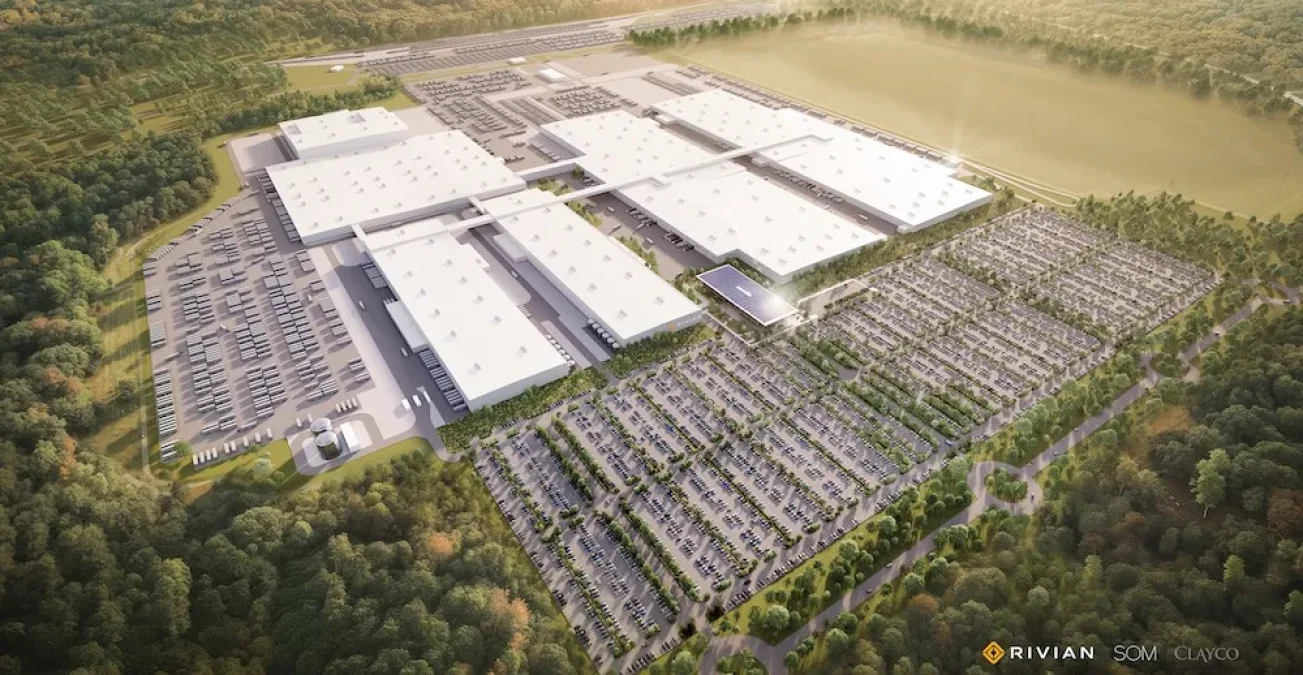
Electric vehicle maker Rivian has significantly reduced its planned production capacity for its upcoming manufacturing facility in Georgia. This adjustment follows a substantial decrease in federal loan funding, with the Department of Energy now providing $4.5 billion instead of the initially anticipated $6.6 billion. The revised financial package directly influences the scope and timeline of the Georgia plant's development, indicating a more modest initial output than previously announced. This strategic shift reflects the company's response to altered capital availability and its evolving market strategy.
Key Facts
-
Revised DOE Loan Amount $4.5 billion
-
Original DOE Loan Anticipation $6.6 billion
-
Affected Facility Location Georgia, USA
-
Company Involved Rivian Automotive, Inc.
Impact
The scaling back of Rivian's Georgia facility directly translates to fewer jobs initially created at the site than originally projected. This reduction in projected employment could have a ripple effect on local economies that were anticipating substantial job growth from the EV manufacturer's presence. Furthermore, the slower ramp-up of production may impact Rivian's ability to meet its ambitious delivery targets and market share aspirations in the near term, potentially affecting its competitive standing against established automakers and other EV startups. From a supply chain perspective, this downsized operation means a smaller immediate demand for components and raw materials that would have been sourced for the larger facility. This could necessitate adjustments for suppliers who had geared up to support Rivian's original production plans. The reduced output also means a slower introduction of Rivian's next-generation vehicles from this particular plant, potentially delaying the company's entry into specific market segments or its ability to capitalize on anticipated consumer demand.
Key Insights
-
1
Funding Dependency
The significant revision underscores the critical role of external financing, particularly government loans, in the capital-intensive EV manufacturing sector. Fluctuations in funding availability can profoundly alter project timelines and scale.
-
2
Strategic Flexibility
Rivian's decision highlights the necessity for companies to maintain strategic flexibility and adapt their plans based on evolving financial landscapes and market conditions.
-
3
Competitive Pressures
The scaled-back expansion may indicate a more cautious approach to growth amidst intense competition in the EV market, where profitability and efficient capital deployment are paramount.
Opportunities
This recalibration presents an opportunity for Rivian to refine its manufacturing processes and potentially implement more advanced, cost-efficient technologies from the outset, rather than having to retrofit them later for a larger-scale operation. A more focused initial build could also allow for a smoother integration of advanced automation and a more controlled ramp-up of quality control measures, ultimately leading to a more robust and reliable production line. Furthermore, it might encourage exploring strategic partnerships or phased investment approaches for future expansions, mitigating the risks associated with large, upfront capital outlays. For local economies, the adjusted plan could spur diversification efforts beyond the direct manufacturing jobs. It might encourage the development of supporting industries, research and development hubs, or specialized training programs that cater to the evolving needs of the EV sector. This could lead to a more sustainable and resilient economic ecosystem, less reliant on a single large employer. Moreover, a more measured growth trajectory might allow for better infrastructure planning and community integration, fostering stronger long-term relationships.
Risks & Challenges
The primary risk for Rivian lies in its ability to meet market demand and maintain its growth trajectory with a smaller production footprint. A scaled-down facility could delay the introduction of key models or limit the volume of vehicles available to consumers, potentially ceding market share to competitors who are able to scale up more rapidly. This could also impact investor confidence, as slower growth and a less impactful market presence might be perceived negatively by financial markets, affecting the company's valuation and access to future capital. Another significant risk involves potential public and political backlash, especially in Georgia, where substantial economic benefits were promised. A reduction in projected jobs and investment could lead to disappointment and scrutiny, potentially impacting Rivian's relationships with state and local governments. Furthermore, scaling down production might signal underlying challenges within the company's operational or financial strategy, which could be misinterpreted by the public and the media, creating a negative perception that is difficult to overcome and could deter potential customers and employees.
Source url: https://www.theverge.com/transportation/921585/rivian-georgia-factory-capacity-doe-loan