
Colossal Biosciences Aims for Bluebuck De-Extinction, Citing Broader Antelope Conservation Goals
NewsHub
Apr 30, 2026
1 min read
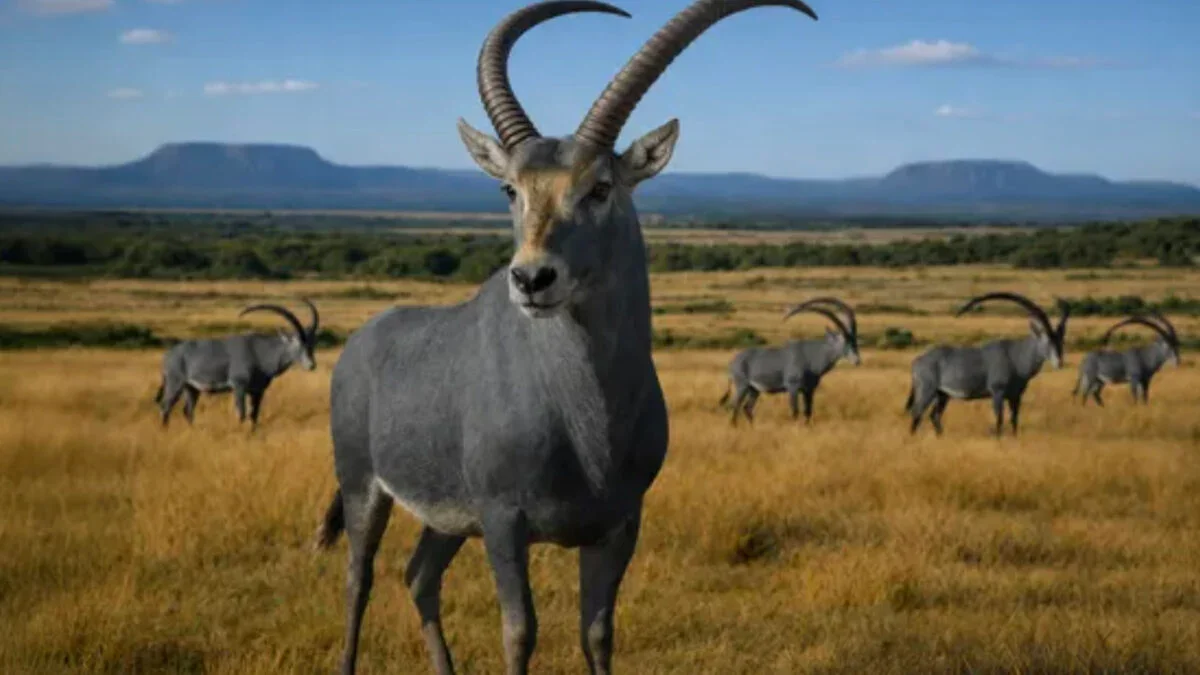
Colossal Biosciences, a prominent de-extinction enterprise, has announced plans to resurrect the bluebuck, an antelope species native to South Africa driven to extinction by colonial activities. This ambitious genetic restoration project seeks not only to reintroduce a lost species but also to pioneer advanced techniques and insights potentially beneficial for safeguarding numerous currently endangered antelope populations worldwide, marking a significant, albeit ethically complex, advancement in conservation biology.
Key Facts
-
Project Lead Colossal Biosciences
-
Target Species Bluebuck antelope (extinct)
-
Extinction Cause Historical actions by South African colonists
-
Proposed Broader Benefit Aids conservation of endangered antelope species globally
-
Primary Method De-extinction technology via genetic engineering
Impact
This initiative could profoundly reshape conservation strategies by expanding the toolkit beyond traditional protection of extant species. Successful reintroduction of the bluebuck might restore ecological balance in its historic South African habitat, potentially re-establishing lost browsing patterns and predator-prey dynamics. Furthermore, the genetic techniques developed could be transferable, offering new hope for critically endangered antelope globally by enhancing genetic diversity or resilience against diseases. Scientifically, the endeavor pushes boundaries in synthetic biology, genomics, and reproductive technologies. Advancements made here could have broader applications in medicine or agriculture. Ethically, however, it reignites debates about human intervention in natural processes and the allocation of vast resources to resurrect extinct species versus protecting those on the brink. Critics argue such projects divert attention and funding from more immediate, proven conservation needs.
Key Insights
-
1
Conservation Paradigm Shift
The project signifies a potential shift in conservation, moving from purely protectionist strategies to active biological restoration of extinct species.
-
2
Technological Validation
It serves as a significant real-world test for the maturity and practical application of de-extinction technologies, potentially validating Colossal Biosciences' scientific approach and methodologies.
-
3
Ethical Complexity
The initiative inherently raises complex ethical questions regarding human intervention in natural systems, historical responsibility for extinctions, and resource prioritization within the broader conservation sector.
Opportunities
The de-extinction field itself presents significant business and technological opportunities. This project could catalyze further investment in advanced genetic engineering, synthetic biology, and cryopreservation technologies. Successful models might inspire new ecotourism ventures focused on restored ecosystems or spark the development of specialized veterinary and ecological management services for genetically revived species. Furthermore, intellectual property generated from advanced gene editing and reproductive techniques could have lucrative applications beyond conservation. From a broader perspective, the technical breakthroughs could inform methods for enhancing genetic resilience in currently endangered species, developing disease-resistant livestock, or even advanced human therapies. Public engagement and educational programs around such projects could also open avenues for science communication and fundraising, potentially creating new philanthropic models for high-tech conservation efforts.
Risks & Challenges
The primary ecological risks involve the potential for unintended consequences upon reintroducing a genetically engineered species into an existing ecosystem. The bluebuck, even if genetically similar, might interact differently with current flora and fauna, potentially outcompeting native species, introducing novel pathogens, or disrupting established food webs. There's also the high financial and resource cost associated with the research, cloning, breeding, and eventual rewilding process, with no guarantee of success or long-term viability in the wild. Ethically, there's a risk of "extinction complacency," where the public might perceive de-extinction as a fail-safe, potentially diminishing the urgency for preventing current extinctions. Resource allocation is another concern; the substantial funds required could arguably be better spent on protecting currently threatened species or restoring degraded habitats. Furthermore, the ethical implications of creating animals solely for scientific or conservation purposes, without a fully natural developmental path, will likely continue to face public and scientific scrutiny.
Related Articles