Indy 500 Test Drive: Sato's Near Miss with Wildlife and Strong Performance
NewsHub
Apr 29, 2026
1 min read
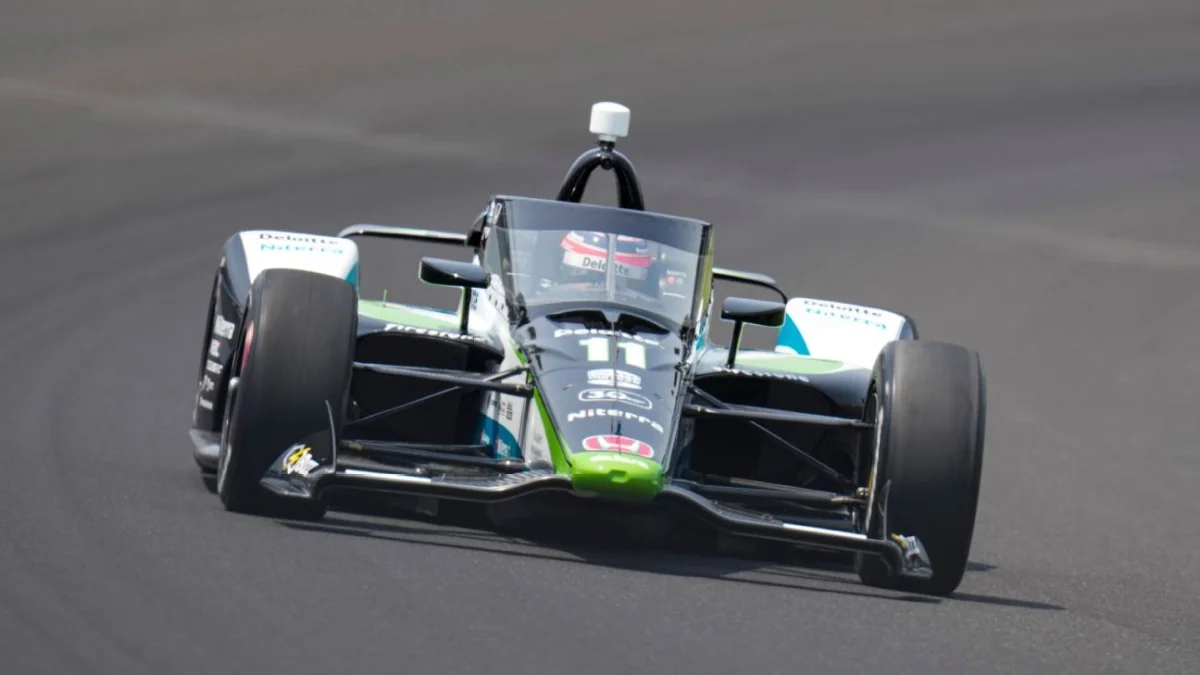
During recent Indianapolis 500 practice sessions on Wednesday, veteran driver Takuma Sato expressed relief after narrowly averting a dangerous encounter with a fox that darted onto the racetrack. Despite the startling interruption, Sato showcased his prowess, recording the fourth-fastest lap of the day. This incident highlights the unpredictable nature of racing at the iconic oval, where natural elements can pose unforeseen challenges, even amidst intense preparation for one of motorsport's most prestigious events. Sato's ability to react and maintain focus under such pressure underscores his experience and adaptability as he gears up for the upcoming race.
Key Facts
-
Driver Involved Takuma Sato
-
Event Indianapolis 500 Testing
-
Date of Incident Wednesday (prior to April 30, 2026)
-
Nature of Incident Wild animal (fox) ran onto the track
-
Sato's Reaction Expressed relief, 'very fortunate' to avoid collision
-
Sato's Performance Achieved 4th fastest lap time during testing
Impact
This near-miss serves as a stark reminder for all participants at the Indianapolis Motor Speedway that the track environment extends beyond the paved surface. Wildlife incursions, though infrequent, can lead to significant safety hazards, potentially causing accidents that could sideline drivers or damage expensive machinery. For Sato and his team, the incident might also introduce a psychological element, requiring additional focus on situational awareness during future practice and the race itself. Despite the close call, his strong lap time indicates that the distraction did not unduly affect his performance, suggesting resilience and a well-honed instinct for racing. The broader impact extends to event organizers and track officials. Such occurrences necessitate a review and potential enhancement of safety protocols, including measures to deter or manage wildlife around the speedway perimeter. While a complete elimination of such risks is impossible, continuous vigilance and preparedness are paramount to ensuring the safety of drivers, crews, and spectators, especially during high-speed racing events where reaction times are measured in milliseconds.
Key Insights
-
1
Driver Resilience
Demonstrates the mental fortitude required of elite drivers to overcome unexpected and potentially dangerous situations without compromising performance.
-
2
Track Safety Challenges
Highlights the ongoing need for comprehensive safety measures that account for external environmental factors beyond typical racing incidents.
-
3
Preparedness Factor
Underscores the importance of driver adaptability and quick decision-making in a sport where split-second reactions can be critical.
Opportunities
The incident presents an opportunity for technological innovation in driver assistance systems. Advanced sensor arrays could be developed to detect unusual objects on the track, including animals, providing drivers with early warnings. This could integrate with existing telemetry and communication systems, offering an additional layer of safety. Furthermore, it opens avenues for research into non-intrusive wildlife deterrents around sporting venues, potentially blending ecological considerations with advanced event management.
Risks & Challenges
The most immediate risk is the potential for a serious accident if a similar wildlife encounter were to occur at higher speeds or if the animal remained on the track for a longer duration. This could result in significant damage to Sato's vehicle, injury to the driver, or even a safety car period disrupting the race flow. The unpredictability of such events means that no amount of driver skill can entirely mitigate the danger, introducing an element of luck that is undesirable in professional racing. Beyond the individual incident, there's a reputational risk for the Indianapolis Motor Speedway if such events become perceived as a recurring safety concern. While isolated, they can contribute to a narrative that undermines confidence in the venue's ability to provide a consistently safe environment. This could influence future broadcast deals, sponsorship opportunities, and overall fan perception, necessitating a proactive approach to demonstrating robust safety management.
Source url: https://www.espn.com/racing/story/_/id/48631716/sato-avoids-hitting-fox-posts-4th-best-lap-indy-500-testing
Related Articles