
Alonso Skeptical of F1 Rule Tweaks Ahead of Miami GP
NewsHub
Apr 30, 2026
1 min read
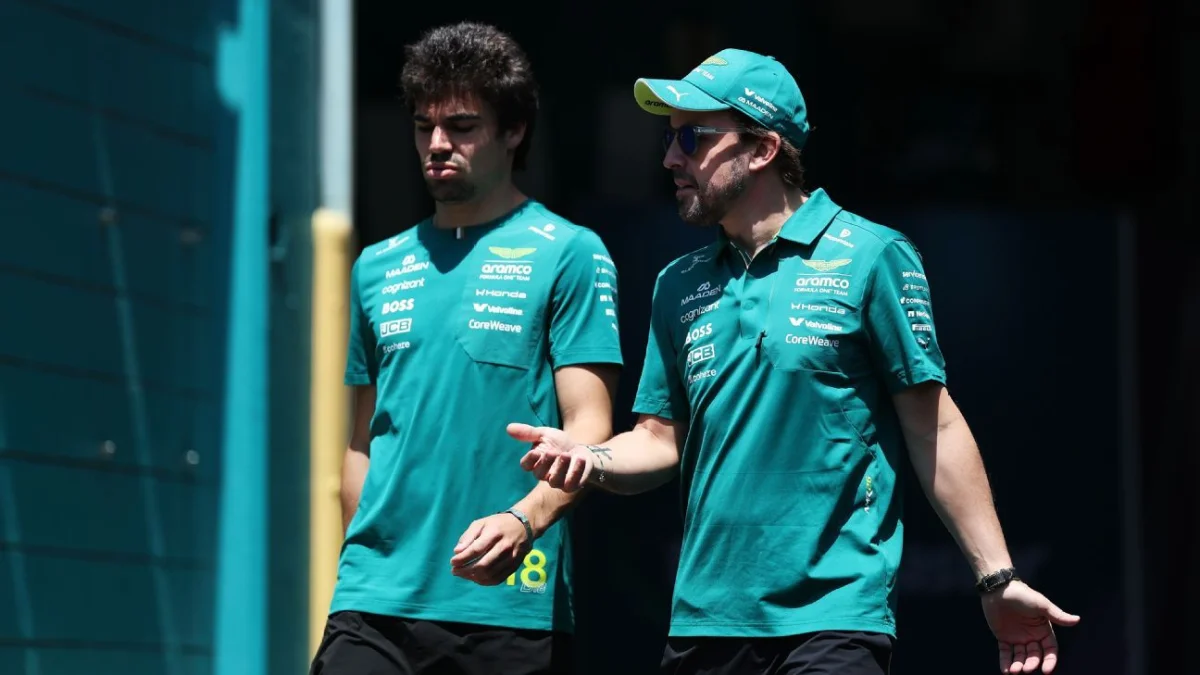
Veteran Formula 1 driver Fernando Alonso has expressed doubt regarding the efficacy of recent regulatory adjustments implemented before the Miami Grand Prix. He believes the inherent design of current power units inherently penalizes drivers who attempt to extract maximum performance through corners. Alonso suggests these modifications are unlikely to fundamentally alter the competitive landscape or allow drivers to consistently operate at the absolute limit of their machinery.
Key Facts
-
Driver Expressing Doubt Fernando Alonso
-
Event Miami Grand Prix
-
Reason for Doubt Current power unit design inherently rewards driving below car's cornering potential
-
Expected Impact of Regulations Minimal to no meaningful effect
Impact
Alonso's perspective suggests that while regulatory bodies aim to improve racing and driver engagement, the fundamental engineering of Formula 1 cars may be a greater barrier to closer competition. If his assessment holds true, fans might continue to witness scenarios where drivers are constrained by their machinery rather than their own skill, potentially impacting the excitement and unpredictability of races. This skepticism could also cast a shadow over the broader impact of F1's technical regulations. While intended to level the playing field and enhance overtaking, if drivers like Alonso, renowned for their car control and race craft, feel their abilities are being artificially suppressed, it raises questions about the direction of the sport's development and whether it truly prioritizes the driver's role.
Key Insights
-
1
Driver Influence
Experienced drivers like Alonso offer valuable insights into the practical implications of F1's technical rules.
-
2
Engineering vs. Regulation
The core design of power units may be a more significant factor in racing dynamics than rule adjustments.
-
3
Spectator Experience
The perception of driver limitations could affect fan engagement and the perceived fairness of competition.
Opportunities
The situation presents an opportunity for F1 technical directors and engineers to innovate beyond superficial rule changes. A deeper dive into powertrain architecture and aerodynamic philosophy might be necessary to truly enable drivers to push their cars to the limit, leading to more dynamic racing. This could also spur interest in simulation and driver training technologies that help drivers better understand and manage the nuances of these complex power units.
Risks & Challenges
One significant risk is the potential for driver disillusionment and a perceived lack of driver agency within the sport. If elite drivers feel their talents are being systematically hobbled by car design, it could lead to frustration and impact driver morale. Furthermore, if fans perceive that the rules are not achieving their intended effect of closer racing, it could erode confidence in the sport's governance and its ability to deliver compelling spectacles. Another risk involves the commercial aspect of Formula 1. If races continue to be perceived as predictable due to inherent car limitations, it might deter potential sponsors and broadcast partners who seek exciting and unpredictable sporting events. The narrative of driver skill being overshadowed by engineering constraints could diminish the allure of F1 as a pinnacle of motorsport.
Related Articles