US Vice President JD Vance Engages in Critical Ceasefire Discussions with Iran in Islamabad
Munir Ahmed
Apr 11, 2026
6 min read
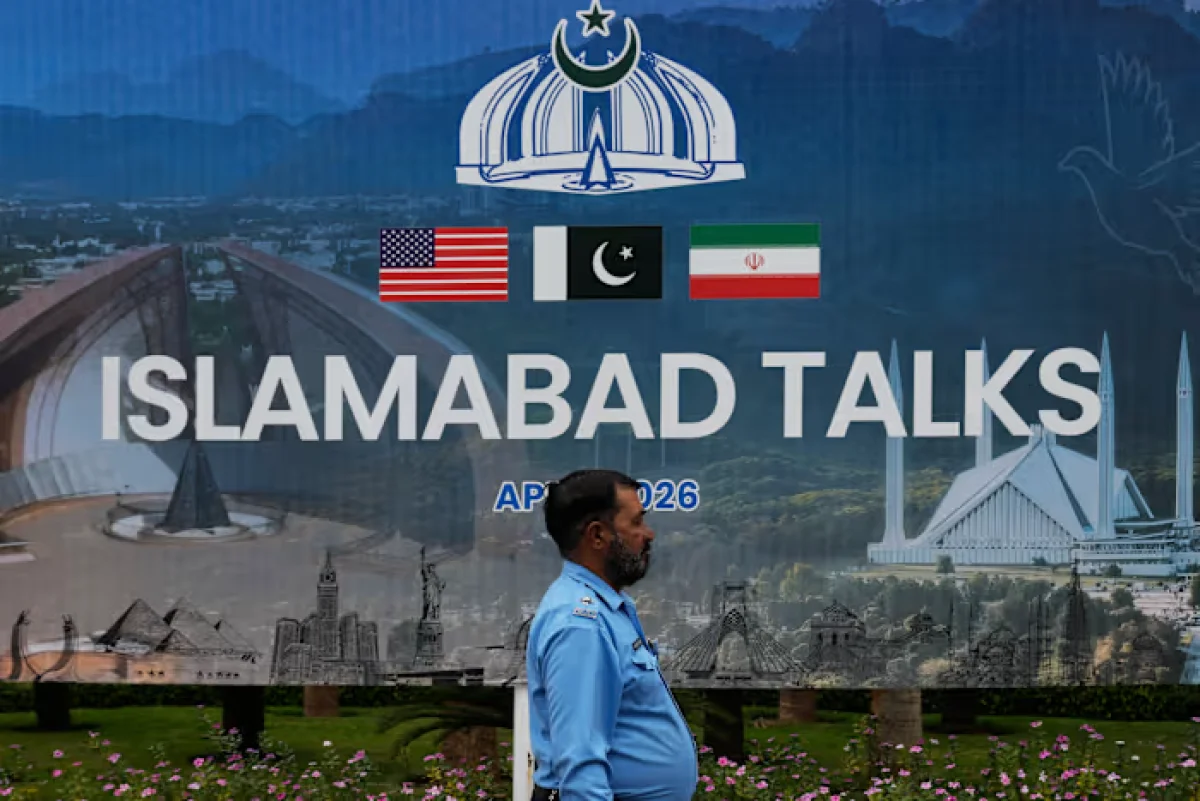
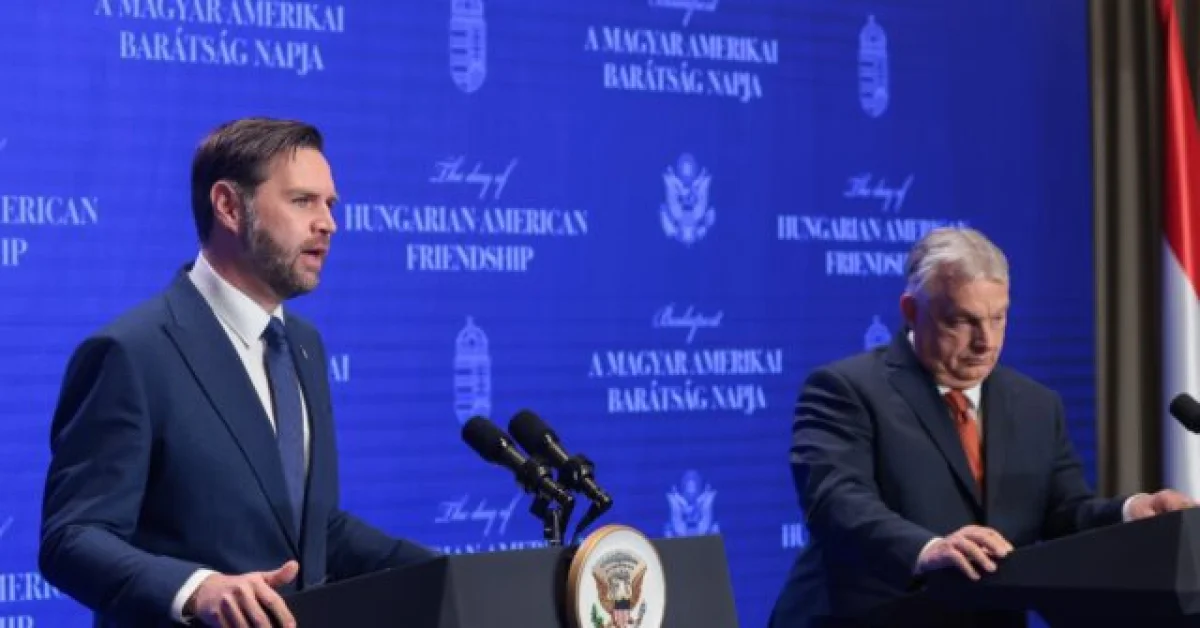
US Vice President JD Vance has arrived in Islamabad to engage in high-stakes talks with Iranian officials, aiming to establish a ceasefire. The meeting is seen as a significant development in regional diplomacy, with Pakistan's Prime Minister and Iran's Parliament Speaker already holding preliminary discussions. The goal of these talks is to find a peaceful resolution to ongoing conflicts and promote stability in the region.
Key Facts
-
US Representative JD Vance, US Vice President
-
Location Islamabad, Pakistan
-
Iranian Representative Mohammad Bagher Ghalibaf, Iran's Parliament Speaker
-
Host Country Representative Shehbaz Sharif, Pakistani Prime Minister
Impact
Furthermore, the economic implications of a ceasefire cannot be overlooked. Reduced tensions could lead to the easing of sanctions and the resumption of trade, potentially boosting the economies of involved nations. This, in turn, could have a positive impact on global energy markets and trade balances. The diplomatic efforts by the US and Iran, facilitated by Pakistan, underscore the evolving nature of international relations and the pursuit of peace through dialogue.
Key Insights
-
1
Geopolitical Dynamics
The involvement of the US, Iran, and Pakistan in these talks highlights the intricate web of alliances and interests in the region.
-
2
Diplomatic Efforts
The willingness of top officials to engage in direct talks demonstrates a commitment to finding peaceful solutions to longstanding conflicts.
-
3
Regional Stability
A ceasefire agreement would significantly contribute to stabilizing the region, potentially creating an environment conducive to economic growth and development.
Opportunities
Moreover, a peaceful resolution could pave the way for increased cooperation in science, technology, and education among the nations involved. This could lead to collaborative projects in areas like space exploration, medical research, and environmental conservation, further solidifying regional peace and stability. The potential for such cooperation underscores the transformative power of diplomacy and peace in unlocking human potential and driving progress.
Risks & Challenges
Another risk is the challenge of implementing any agreement that might be reached. Ensuring compliance and preventing violations will require robust monitoring mechanisms and a commitment from all parties involved. Additionally, there may be internal opposition within the countries involved, particularly from hardline factions that could attempt to sabotage the peace process. Managing these risks will be crucial to the success and sustainability of any ceasefire agreement.
Related Articles