Trump Declares Readiness for Renewed Conflict with Iran Over Ceasefire Compliance
Rachel Hirschheimer
Apr 09, 2026
50 min read
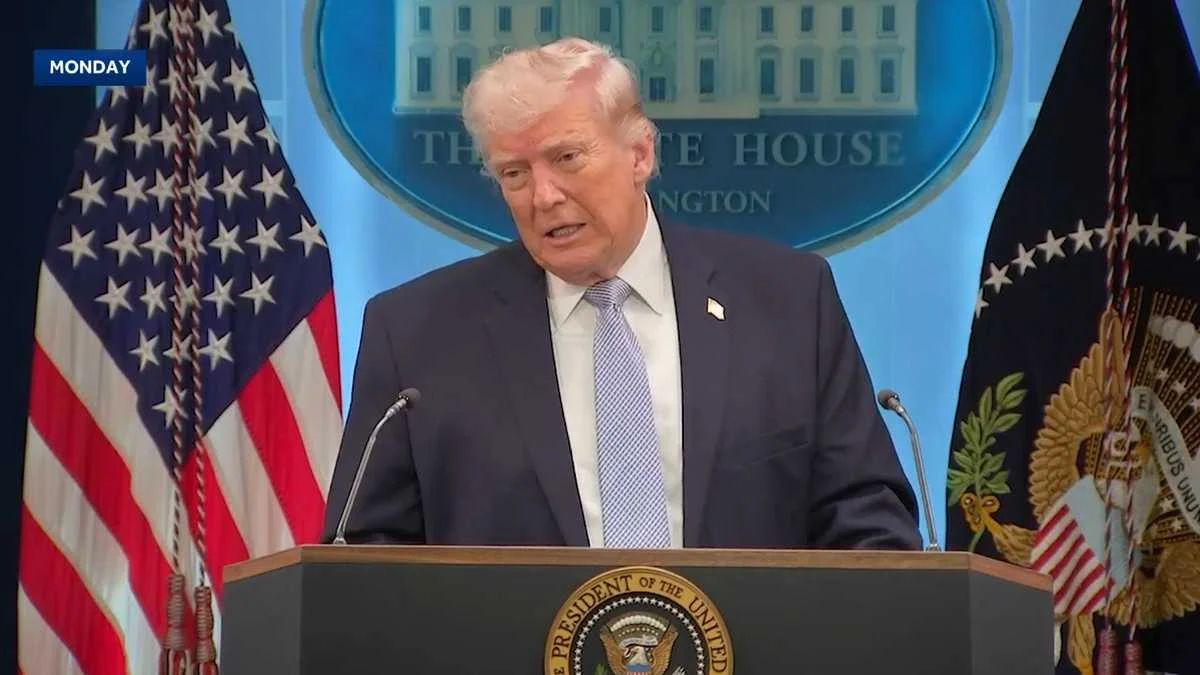
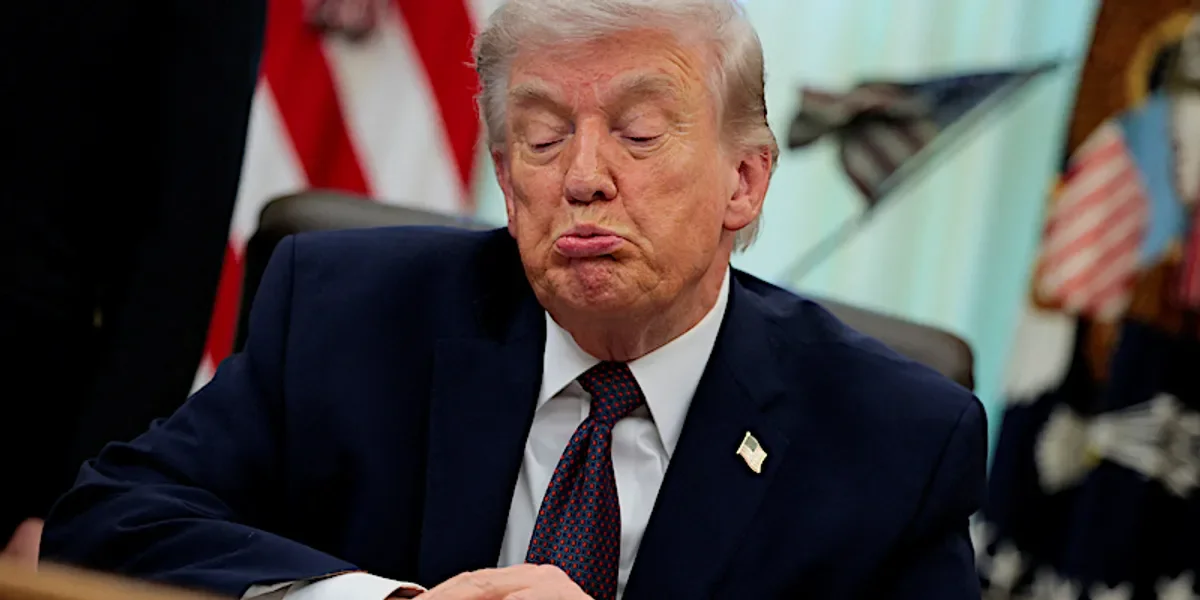
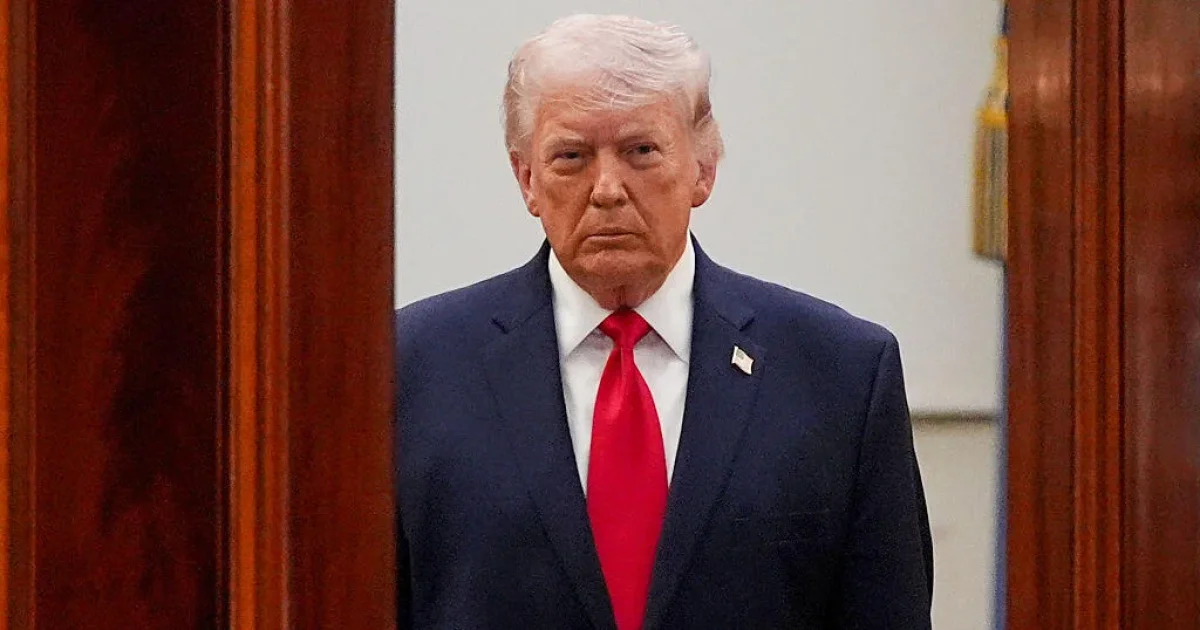
President Donald Trump has issued a stark ultimatum to Iran, signaling that a return to hostilities is imminent should the nation fail to adhere to a current ceasefire agreement. The President's remarks indicate a firm stance on enforcing the terms, with the continued presence of American forces in the Middle East contingent on Iranian compliance. This warning underscores the ongoing tensions and the fragile nature of the existing truce, with significant implications for regional stability.
Key Facts
-
President Trump's Warning Renewed 'shooting' will commence if Iran violates ceasefire.
-
American Troop Presence US forces will remain in the Middle East until Iran complies with the agreement.
-
Condition for Peace Iranian adherence to the ceasefire is the sole condition for continued de-escalation.
Impact
This declaration carries substantial weight for global security, potentially reigniting conflict in a volatile region. The threat of renewed hostilities could disrupt vital international trade routes, particularly for oil, and lead to significant humanitarian consequences. Furthermore, it places a considerable burden on diplomatic efforts aimed at achieving lasting peace and may necessitate increased defense spending by nations involved or allied in the region.
Key Insights
-
1
Geopolitical Leverage
Trump's approach appears to prioritize assertive deterrence over diplomatic negotiation, leveraging military readiness as a primary tool for influence.
-
2
Regional Stability Concerns
The potential for conflict escalation heightens anxieties across the Middle East, with neighboring countries likely to prepare for spillover effects.
-
3
Domestic Political Calculus
The timing of this strong rhetoric may also be tied to domestic political considerations, aiming to project strength and resolve.
Opportunities
For defense contractors and associated industries, this heightened tension presents an opportunity for increased demand in military hardware, surveillance technology, and cybersecurity solutions. Companies specializing in logistical support and contingency planning for conflict zones could also see a surge in business. Additionally, firms offering geopolitical risk analysis and crisis management services will likely find a growing market as governments and corporations seek to navigate the uncertain landscape.
Risks & Challenges
The primary risk is the immediate escalation of conflict, which could lead to widespread casualties and destruction across the Middle East. This would undoubtedly destabilize global energy markets, causing sharp price increases and potential supply shortages. The broader geopolitical ramifications include the fracturing of international alliances, a resurgence of extremist groups exploiting the chaos, and a severe setback for any ongoing efforts towards regional de-escalation and cooperation. The economic fallout from renewed conflict could be devastating, impacting global trade and investment. A secondary, but equally significant, risk involves the potential for miscalculation or unintended escalation. In a highly charged environment, even a minor incident could quickly spiral out of control, leading to a confrontation far larger than initially intended. This could draw in additional regional and global powers, further complicating the situation and prolonging the period of instability. The long-term consequences could include a protracted period of heightened security concerns, hindering economic development and creating a climate of perpetual fear and uncertainty.
Source url: https://www.kcra.com/article/trump-warns-shootin-starts-iran-does-not-comply-ceasefire/70971530
Related Articles