Sterling Strengthens: Middle East Geopolitical Dynamics Drive GBP Uptick
NewsHub
Apr 09, 2026
1 min read
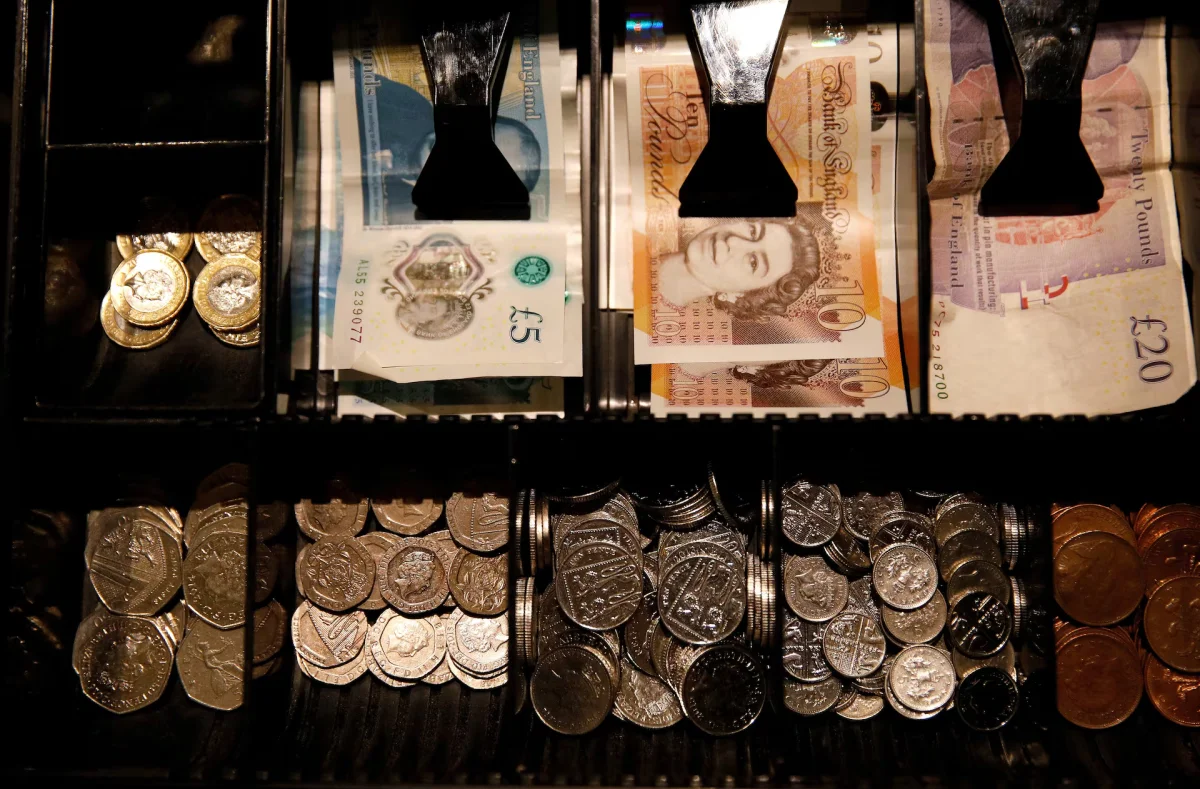
The British Pound (GBP) registered a modest increase today, with market analysts attributing its upward movement primarily to ongoing geopolitical developments in the Middle East. This trend highlights the significant influence of regional events on global currency markets, affecting investor sentiment and capital flows. Sterling's relative strength in this context suggests its perceived stability amidst international uncertainties, underscoring how external factors, particularly those with implications for global energy markets and risk appetite, remain critical determinants for major currency valuations and overall market direction. The appreciation indicates a possible flight to relative safety or a recalibration of risk by investors.
Key Facts
-
Currency Affected British Pound (Sterling)
-
Movement Ticked higher (modest appreciation)
-
Primary Driver Geopolitical developments in the Middle East
-
Date of Analysis April 9, 2026
Impact
A stronger Sterling typically makes UK exports more expensive for international buyers, potentially challenging export-oriented businesses. Conversely, it lowers the cost of imports, which could benefit UK consumers through cheaper foreign goods and services, and reduce the cost of overseas travel. For investors, the Pound's appreciation in response to Middle East events might signal its perceived safe-haven status or a beneficial shift in terms of trade, prompting adjustments in their currency and asset allocation strategies. This also directly links global geopolitical stability to national economic indicators, influencing business decisions.
Key Insights
-
1
Geopolitical Primacy
This development underscores the persistent influence of geopolitical events, particularly those stemming from the Middle East, as a primary driver for major currency valuations, even outweighing immediate economic fundamentals.
-
2
Sterling's Role
Sterling's upward movement in this context indicates its potential perception as a relatively stable asset during periods of international uncertainty, drawing capital flows seeking security.
-
3
Market Interconnectedness
The situation highlights the intricate global interconnectedness of financial markets, where regional political dynamics can swiftly impact seemingly distant national currencies and economies.
Opportunities
Businesses involved in importing goods and services into the UK could find opportunities in the stronger Sterling, leading to reduced procurement costs and potentially higher profit margins or more competitive pricing for consumers. Companies with international liabilities denominated in foreign currencies might also benefit from more favorable exchange rates when settling debts or making payments. Furthermore, the volatility driven by geopolitical factors creates a heightened demand for sophisticated fintech solutions in currency hedging and risk management, offering opportunities for technology providers specializing in financial analytics and automated trading strategies to help businesses mitigate currency exposure.
Risks & Challenges
The appreciation of Sterling, while appearing positive, carries specific risks for the UK economy. A stronger currency makes British exports more expensive and potentially less competitive in international markets, which could harm export-driven industries, reduce foreign demand, and slow overall economic growth. Businesses reliant on international sales may face reduced order volumes and profitability, necessitating strategic adjustments to their pricing or market approach. Furthermore, the primary driver being external geopolitical developments suggests an increased susceptibility to market volatility and unpredictability. Reliance on such factors for currency strength introduces significant uncertainty, as these situations can rapidly change course, leading to sudden reversals in currency movements. This dynamic poses challenges for long-term business planning, investment strategies, and potentially masks underlying domestic economic weaknesses if the currency's strength is not underpinned by robust internal fundamentals.
Related Articles