Pennsylvania Democrat Clarifies Opposition to Trump's Agenda, Not Just the Individual
NewsHub
May 25, 2026
1 min read
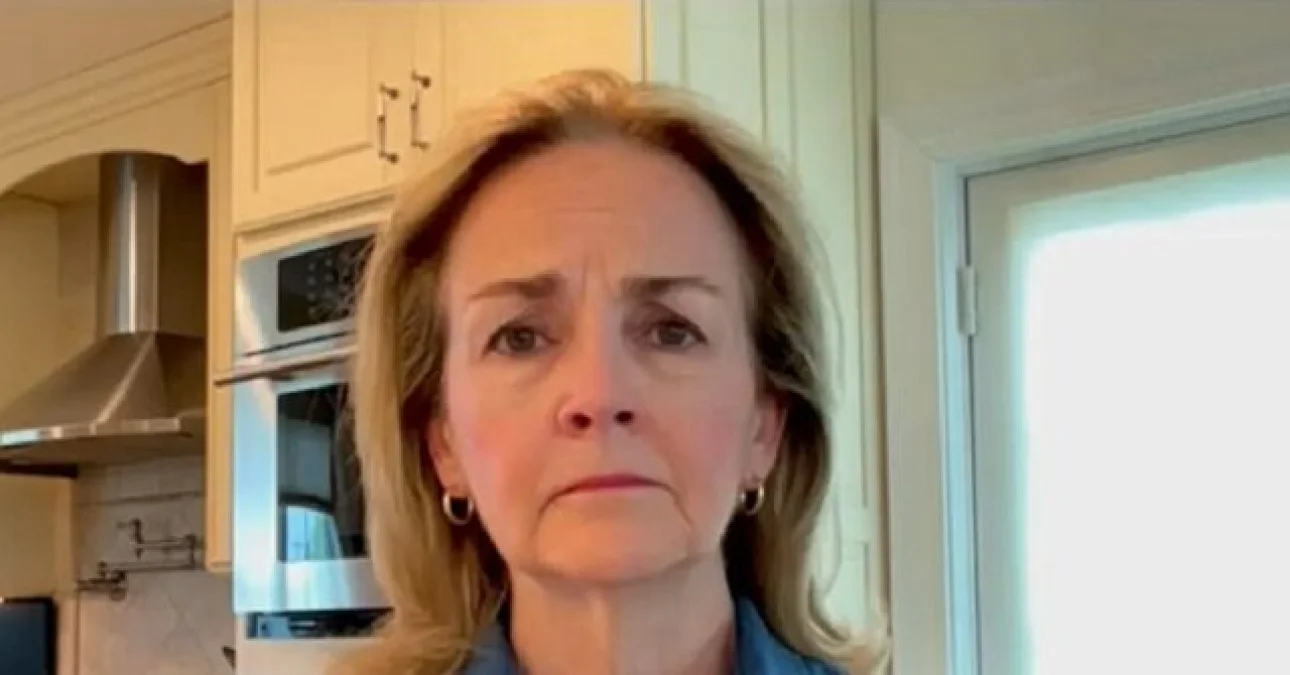
During a recent CNN appearance, Representative Madeleine Dean of Pennsylvania articulated her opposition to former President Donald Trump, emphasizing that her stance is rooted in disagreement with his policies and principles, rather than a personal animosity. The congresswoman stated that her concerns stem from Trump's actions and the values he espouses, highlighting a broader ideological conflict. This distinction suggests a strategic framing of opposition, focusing on policy divergence as the primary driver of her political stance against the former president and his movement.
Key Facts
-
Representative's Name Madeleine Dean (D-PA)
-
Platform of Statement CNN News Central broadcast
-
Core of Opposition Disagreement with Trump's actions and principles, not solely personal opposition
Impact
Representative Dean's clear articulation of her position could resonate with voters who are weary of purely personal political attacks and are more interested in substantive policy debates. By framing her opposition around "everything he is doing, everything he is standing for," she positions herself as a defender of specific values and governmental approaches. This approach might broaden her appeal beyond the Democratic base, potentially attracting moderate voters who are disillusioned with the current political climate but haven't yet aligned themselves firmly with either major party. Furthermore, this strategic framing could influence the broader discourse surrounding the upcoming political landscape. It shifts the focus from personality clashes to a more fundamental discussion about governance and national direction. For campaigns and political strategists, understanding this nuance is crucial. It suggests that emphasizing policy differences and fundamental ideological divides may be a more effective strategy for engaging voters than relying on ad hominem attacks.
Key Insights
-
1
Strategic Messaging
The congresswoman's statement exemplifies a strategic shift towards issue-based political critique, aiming to differentiate her opposition from mere personal dislike and connect with voters concerned about policy and principles.
-
2
Ideological Divide Focus
Dean's framing highlights the deep ideological chasm that persists, suggesting that future political contests will likely be defined by fundamental differences in vision and values.
-
3
Voter Engagement Approach
This approach prioritizes substance over spectacle, potentially appealing to a segment of the electorate seeking more grounded political discourse.
Opportunities
For political campaigns aiming to capture undecided voters, this nuanced approach presents an opportunity to craft messages that focus on contrasting policy visions and core values. By clearly articulating what they stand for, as opposed to simply what they are against, candidates can offer a more compelling and substantive alternative. This can be particularly effective in grassroots organizing, where detailed policy discussions can mobilize dedicated supporters and persuade those on the fence. In terms of media strategy, this insight suggests that highlighting policy differences in candidate debates, town halls, and campaign advertising could be more impactful than focusing on sensational or personality-driven narratives. News organizations might also find this framing offers a richer basis for analyzing political developments and understanding voter motivations beyond superficial soundbites.
Risks & Challenges
One significant risk associated with this approach is that it might be perceived as overly academic or detached by a segment of the electorate that responds more to emotional appeals and direct confrontation. While focusing on principles is important, if not coupled with a clear articulation of the tangible consequences of differing policies, it might fail to resonate with voters primarily concerned with immediate issues like economic stability or personal safety. Another risk is that the former president's supporters might still interpret any criticism of his actions and principles as a personal attack, regardless of the language used. This could lead to a further entrenchment of partisan divides and a missed opportunity for genuine dialogue. The political climate often favors strong, decisive rhetoric, and a purely principled stance might be interpreted as lacking the necessary force or conviction by some.
Related Articles