Iran Cautions US on Fuel Costs as Hormuz Blockade Sparks Inflationary Fears
NewsHub
Apr 13, 2026
1 min read
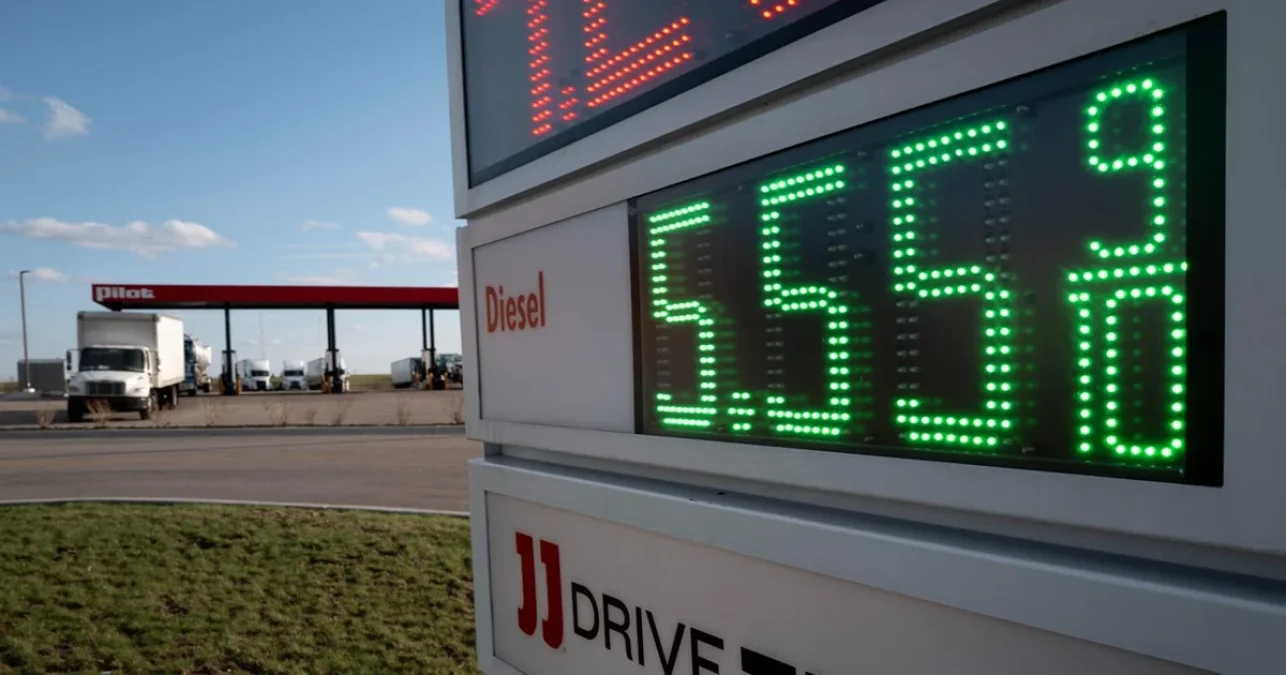
An official from Iran's parliament has issued a stern forecast to the United States, suggesting Americans will soon reminisce about previous, lower gas prices. This warning follows President Trump's recent announcement on Sunday, April 12, 2026, of a blockade targeting the Strait of Hormuz, a critical international oil transit point. The move has immediately heightened concerns about rising crude oil prices and their subsequent inflationary ripple effects across the U.S. economy, with reports already indicating significant consumer distress at fuel pumps nationwide. The escalating geopolitical tensions underscore the acute sensitivity of global energy markets to disruptions in vital shipping lanes.
Key Facts
-
Iranian Official Mohammad Bagher Qalibaf (Parliament Speaker)
-
U.S. Presidential Action Blockade of Strait of Hormuz
-
Action Announcement Date Sunday, April 12, 2026
-
Iranian Prediction Americans will long for $4-$5/gallon gas
-
Reported Economic Impact Fueling U.S. inflation, consumer pain at the pump
-
Reporter Taurean Small
Impact
The immediate fallout from the announced Strait of Hormuz blockade is expected to manifest rapidly across global energy markets and the U.S. economy. Crude oil prices are likely to experience significant upward pressure, directly translating into higher gasoline and diesel costs for consumers. This surge in fuel expenses will exacerbate existing inflationary trends, eroding purchasing power and potentially slowing economic growth as businesses face increased operational costs and consumers reduce discretionary spending. Supply chains, already under strain, could face further disruptions as transportation costs escalate. Beyond the economic sphere, the blockade carries profound geopolitical implications. It signifies a major escalation in U.S.-Iran tensions, potentially destabilizing the entire Middle East region. Energy-importing nations, particularly in Asia and Europe, will face heightened energy security concerns, prompting a scramble for alternative supplies and potentially straining international alliances. The military implications of enforcing such a blockade also raise the specter of direct confrontation, adding a layer of severe risk to global stability.
Key Insights
-
1
Geopolitical Leverage
Iran's rhetoric highlights its perceived leverage over global oil supplies, emphasizing its capacity to influence international energy markets in response to U.S. actions.
-
2
Economic Sensitivity
The rapid market reaction to the blockade announcement underscores the inherent vulnerability of the global economy, particularly the U.S., to disruptions in critical maritime choke points.
-
3
Strategic Escalation
President Trump's decision to blockade the Strait of Hormuz represents a significant escalation in foreign policy, moving beyond economic sanctions to direct interdiction of vital trade routes.
-
4
Inflationary Pressure
The event reinforces the direct link between geopolitical instability, energy costs, and domestic inflationary pressures, posing a formidable challenge for economic policymakers.
Opportunities
The escalating energy crisis could accelerate investment and innovation in alternative energy sources and related technologies. Companies specializing in renewable energy solutions, such as solar, wind, and geothermal power, may see increased demand and funding. There's also a renewed impetus for advancements in electric vehicle (EV) technology and charging infrastructure, as consumers seek to mitigate their reliance on volatile gasoline prices. Energy efficiency solutions for homes and industries also present significant growth opportunities. Furthermore, this situation could spur technological advancements in energy storage and grid modernization, enhancing resilience against supply shocks. For domestic energy producers outside the immediate conflict zone, there may be opportunities to increase output, provided environmental considerations and long-term market sustainability are carefully managed. Diversification of supply chains and logistics, perhaps through new shipping routes or advanced freight management systems, could also become a priority for businesses.
Risks & Challenges
The most immediate and severe risks are economic, with a strong possibility of a global recession triggered by sustained high energy prices. Prolonged fuel price hikes would cripple consumer spending, increase production costs across all sectors, and lead to widespread job losses. Furthermore, the blockade could precipitate a direct military confrontation in the Persian Gulf, drawing in regional and international powers and leading to devastating human and economic costs, potentially disrupting global trade far beyond energy. Beyond economic and military risks, there are significant political and social implications. Public discontent over soaring living costs could lead to widespread civil unrest and political instability in affected nations, including the United States. The situation also risks further fragmentation of international alliances as countries prioritize their energy security interests, potentially undermining collaborative efforts on other global challenges and escalating existing geopolitical tensions.
Related Articles