
US Birth Rate Decline: A Two-Decade Low
NewsHub
Apr 09, 2026
1 min read
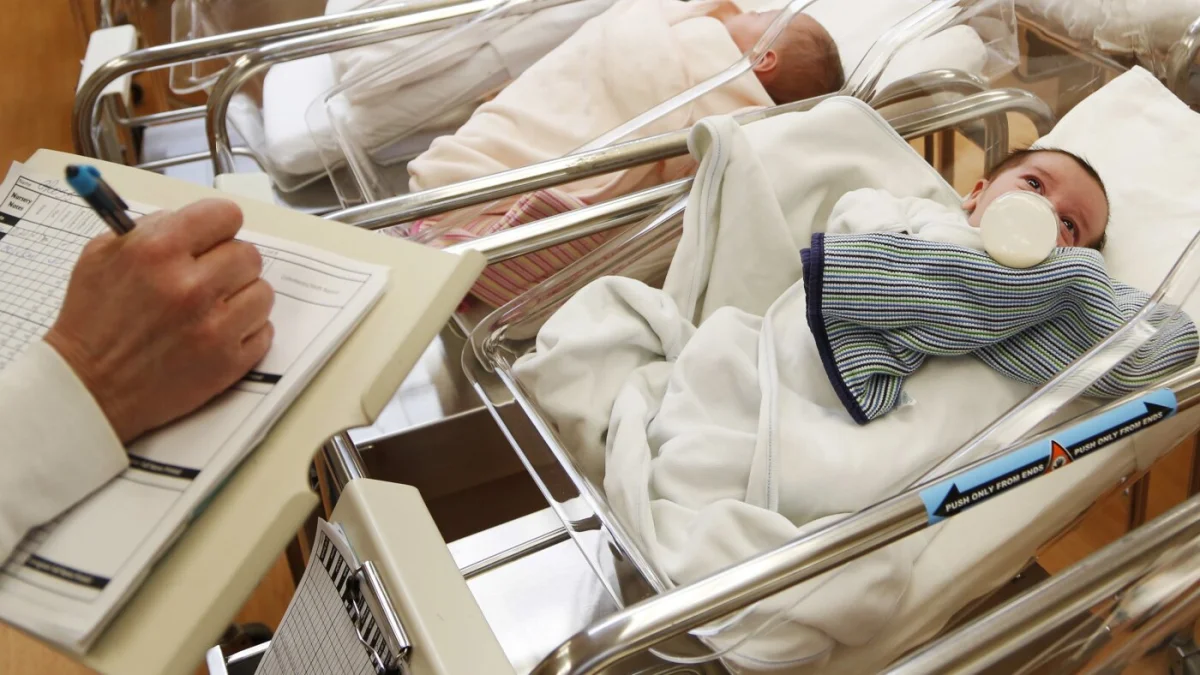
The United States has witnessed a significant drop in birth rates over the past two decades, with a notable decline in teen pregnancies and an increase in women delaying motherhood. This shift has resulted in 710,000 fewer babies being born last year compared to twenty years ago, contributing to the country's historically low fertility rate.
Key Facts
-
Decline in Births 710,000 fewer babies
-
Timeframe two decades
-
Fertility Rate historic low
-
Teen Pregnancies plunging
-
Delayed Motherhood increasing
Impact
The decline in birth rates is expected to have far-reaching consequences on the US population and economy. A shrinking workforce and aging population may lead to increased pressure on social security and healthcare systems. Moreover, the changing demographics could impact the country's economic growth and development. The shift in family planning and delayed motherhood may also influence education, housing, and social services.
Key Insights
-
1
Demographic Shifts
changing age structure and population growth
-
2
Economic Implications
potential impact on workforce and social security
-
3
Social Trends
increased focus on education and career development
Opportunities
The decline in birth rates presents opportunities for businesses and technologies that cater to the needs of an aging population. Companies that develop innovative healthcare solutions, senior living facilities, and age-related services may experience growth and demand. Additionally, the shift in family planning and delayed motherhood may create opportunities for education and career development platforms that support women's empowerment and workforce participation.
Risks & Challenges
The decline in birth rates poses significant risks to the US economy and social security systems. A shrinking workforce and aging population may lead to increased pressure on pension and healthcare systems, potentially resulting in financial strain and decreased quality of services. Moreover, the changing demographics may exacerbate existing social and economic inequalities, particularly if certain groups are disproportionately affected by the decline in birth rates.
Source url: https://www.npr.org/2026/04/09/nx-s1-5779627/birthrate-united-states-babies-immigration
Related Articles