Unvaccinated Infants Remain Highly Vulnerable to Measles Amid Outbreaks, Highlighting Critical Need for Herd Immunity
NewsHub
Apr 11, 2026
1 min read
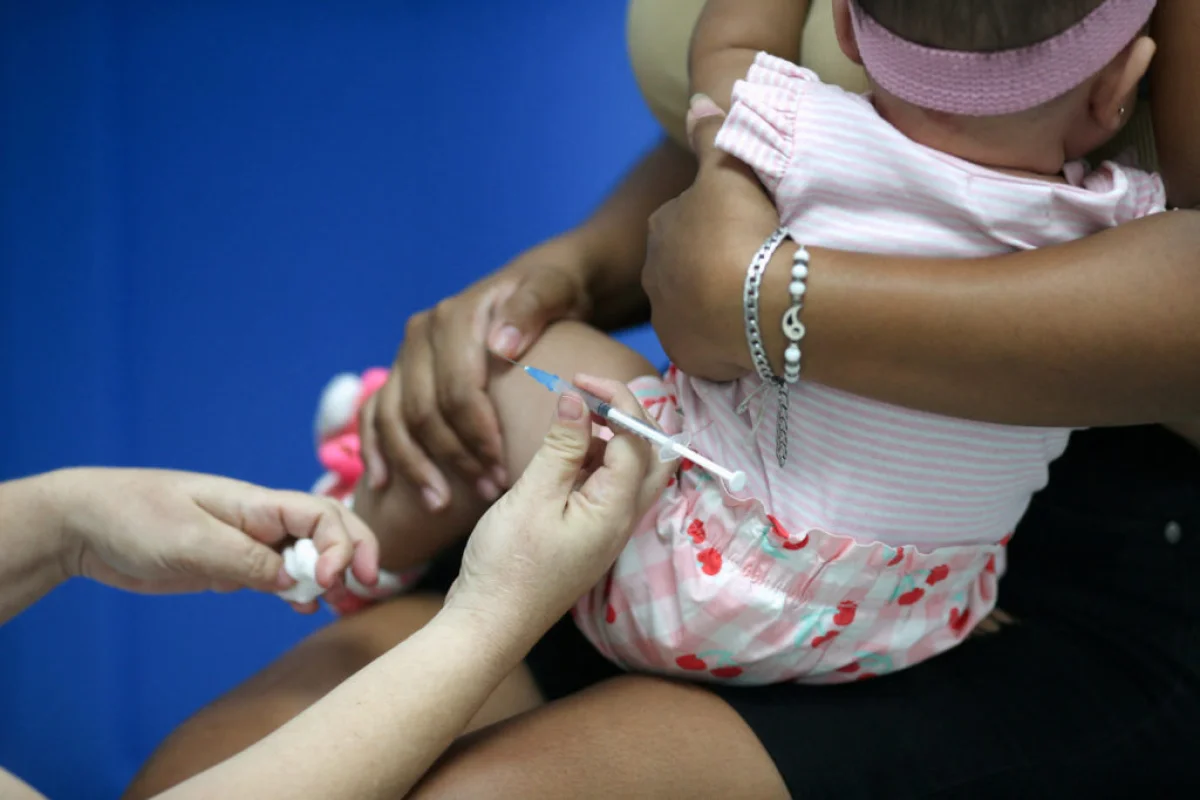
Infants too young to receive the measles, mumps, and rubella (MMR) vaccine are facing heightened risks during current measles outbreaks. These newborns are entirely dependent on robust community-wide vaccination, known as 'herd immunity,' for protection against the highly contagious virus. Their inability to be directly vaccinated places them in a uniquely precarious position, making the collective vaccination efforts of the wider population crucial to safeguarding their health and preventing severe illness or complications.
Key Facts
-
Vulnerable Population Infants too young for the standard MMR vaccine schedule (typically under 12 months).
-
Primary Threat Measles outbreaks, a highly contagious viral disease.
-
Protection Mechanism Exclusive reliance on community (herd) immunity.
-
Outcome of Low Immunity Increased risk of severe illness and complications for unprotected infants.
Impact
Societally, widespread outbreaks affecting infants can erode public trust in health systems and create immense anxiety for new parents. It also underscores a collective responsibility deficit, where declining vaccination rates among eligible populations directly endanger the most vulnerable members of society. The economic burden extends beyond direct medical costs, encompassing lost productivity for caregivers and potential long-term care expenses for children suffering permanent health damage.
Key Insights
-
1
Public Health Imperative
Maintaining high vaccination coverage rates is not merely an individual choice but a crucial collective responsibility to protect those medically unable to be vaccinated.
-
2
Early Childhood Vulnerability
The period before standard vaccine eligibility represents a critical window of susceptibility that can only be mitigated through community protection.
-
3
Interconnected Health
The health of infants is directly tied to the vaccination status of the broader population, illustrating the interconnectedness of public health outcomes.
Opportunities
From a business perspective, there's an opportunity for tech companies to develop secure, user-friendly digital health platforms that provide accurate, personalized information about vaccination schedules and benefits, potentially integrating with national health records. Pharmaceutical companies might also invest in research for more potent or longer-lasting maternal antibodies or explore alternative delivery methods for early infant protection against measles.
Risks & Challenges
Beyond immediate health risks, there is a significant danger of eroding public trust in established medical science and public health institutions, particularly if misinformation about vaccines continues to proliferate unchecked. This erosion of trust can have cascading effects, impacting compliance with other health recommendations and potentially compromising future public health initiatives. Economically, outbreaks can disrupt communities, leading to school closures, reduced workforce participation, and increased healthcare expenditures.
Related Articles