
US Navy Pivots to Unmanned Systems for Strait of Hormuz Mine Clearance Amidst Iran Tensions
NewsHub
Apr 25, 2026
1 min read
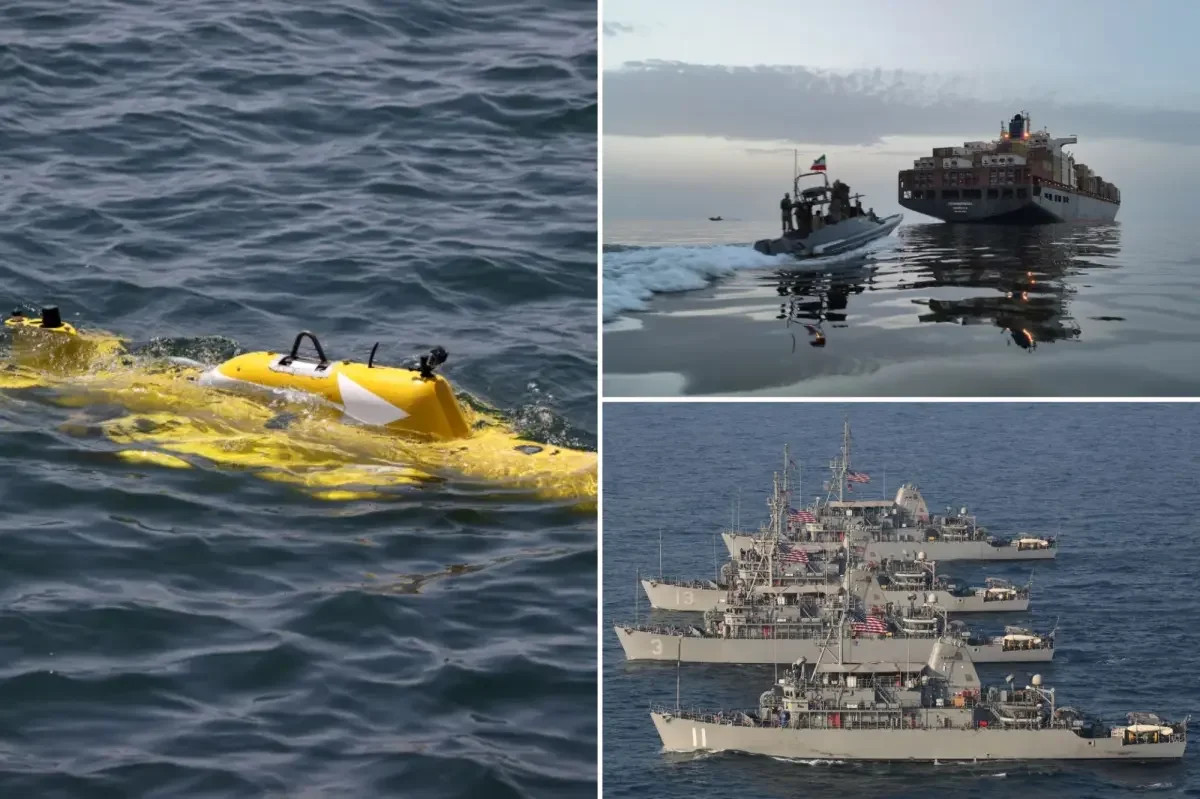
The United States Navy is undertaking a strategic transition, phasing out its traditional minesweeping vessels in favor of advanced unmanned systems to secure the vital Strait of Hormuz. This modernization effort is critical given ongoing tensions with Iran and an acknowledged temporary vulnerability in conventional mine-clearing capabilities. Experts note the Navy is at a 'nadir' in its traditional mine warfare capacity, highlighting both the necessity and potential risks of this technological shift for maintaining global maritime security in a volatile region.
Key Facts
-
Strategic Shift US Navy is retiring conventional minesweepers.
-
New Technology Focus Transitioning to unmanned systems (drones) for mine countermeasures.
-
Operational Objective To ensure the safe reopening and navigation of the Strait of Hormuz.
-
Geopolitical Context This initiative occurs amidst persistent tensions and crisis with Iran.
-
Current Capability Assessment An analyst states the Navy's traditional mine-sweeping capacity is currently at a 'nadir' (low point).
Impact
This strategic pivot by the US Navy signifies a major shift in naval doctrine, embracing autonomous technologies for critical operational roles. In the short term, this transition introduces a period of potential vulnerability, as highlighted by the 'nadir' in traditional capabilities, which could be perceived as a window of opportunity by adversaries. Long-term, successful integration of unmanned systems could enhance efficiency, reduce human risk in hazardous environments, and project a more technologically advanced naval presence, fundamentally altering the calculus of maritime deterrence in key chokepoints. The implications extend beyond military strategy to global economics and regional stability. The Strait of Hormuz is a crucial artery for global energy supplies, and any disruption due to mines or geopolitical tensions can trigger significant economic repercussions. This move underscores the US commitment to maintaining freedom of navigation, potentially reassuring international shipping and energy markets, but also raising questions about the reliability and resilience of new technologies in a high-stakes operational theater.
Key Insights
-
1
Naval Modernization Trajectory
The US Navy's shift reflects an accelerated global trend towards unmanned and autonomous systems in military operations, positioning technology at the forefront of defense strategy.
-
2
Geopolitical Pressure Points
The move underscores the enduring volatility in the Persian Gulf, where the Strait of Hormuz remains a critical flashpoint influenced by US-Iran relations.
-
3
Operational Transition Challenges
The acknowledgement of a 'nadir' in traditional mine-sweeping capacity highlights the inherent risks and complexities involved in transitioning to new defense technologies, requiring robust interim solutions and rapid deployment.
-
4
Technological Imperative
This decision emphasizes that advanced, distributed, and AI-enabled unmanned systems are increasingly viewed as essential for future naval superiority and force projection in contested maritime environments.
Opportunities
The emphasis on unmanned systems for mine clearance creates significant business and technological opportunities for defense contractors and tech innovators. There will be increased demand for research, development, and manufacturing of advanced maritime and aerial drones, particularly those equipped with sophisticated mine detection, classification, and neutralization capabilities. This includes specialized sensors, artificial intelligence for autonomous navigation and decision-making, and secure communication systems. Beyond hardware, opportunities exist in developing robust command-and-control software for managing large fleets of autonomous vehicles, data analytics platforms for processing sensor data, and advanced simulation and training programs for naval personnel. Furthermore, cybersecurity solutions tailored for these interconnected unmanned systems will be crucial, opening new avenues for specialized firms to ensure the resilience and integrity of these critical assets.
Risks & Challenges
The most immediate risk is the operational gap created by the retirement of traditional minesweepers coinciding with a reported 'nadir' in conventional capacity, before unmanned systems are fully proven and integrated at scale. This interim period could leave the Strait of Hormuz vulnerable to mine threats, potentially leading to disruptions in global shipping and energy flows, and inviting challenges from adversarial forces seeking to exploit perceived weaknesses. The effectiveness of nascent drone technology in complex, real-world mine warfare scenarios, including environmental variables and sophisticated adversary tactics, remains to be fully demonstrated. Furthermore, the reliance on unmanned systems introduces new types of risks, including cyber vulnerabilities that could compromise control, disrupt operations, or expose sensitive data. There are also ethical and legal considerations surrounding autonomous weapon systems, alongside potential for technological failures, high development and maintenance costs, and the risk of escalation if drone operations are misinterpreted or lead to unintended consequences in an already tense region like the Persian Gulf.
Related Articles