
US-Iran Diplomatic Breakdown Triggers Port Blockade, Fueling Global Energy Price Surge Concerns
NewsHub
Apr 13, 2026
1 min read
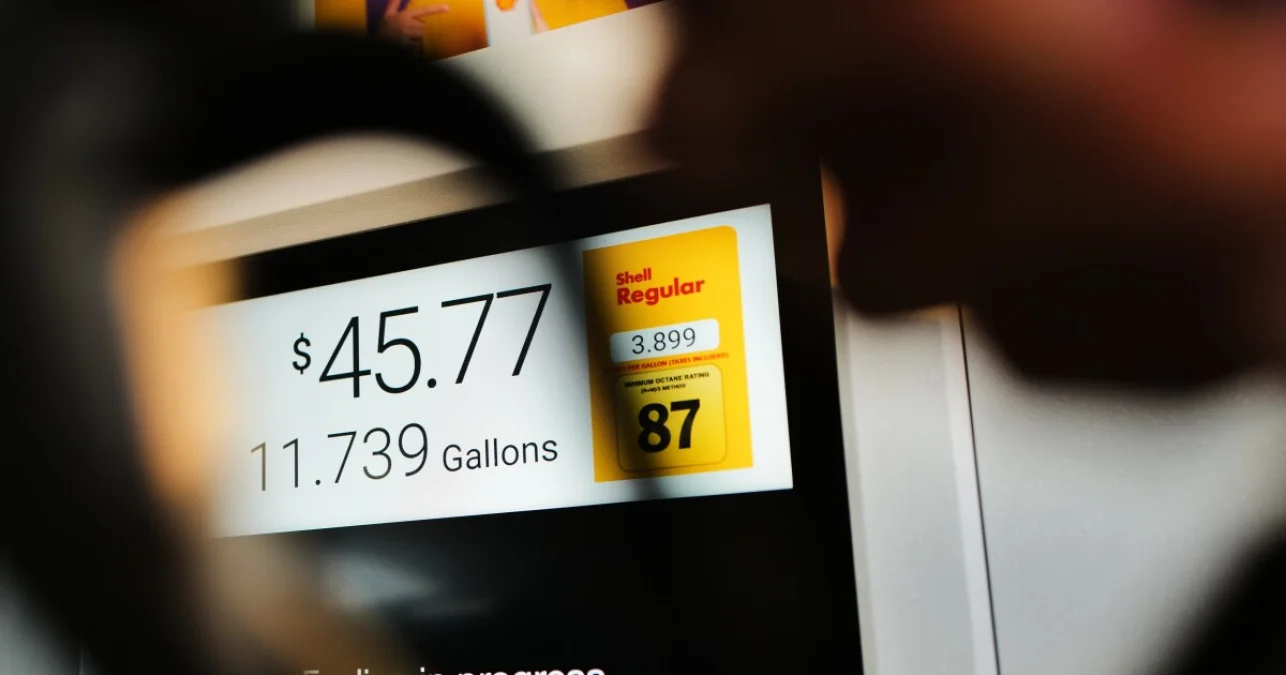
Following the collapse of ceasefire negotiations between the United States and Iran over the weekend, the U.S. has initiated a naval blockade on Iranian ports. This escalation in geopolitical tensions is significantly dampening market hopes for a stabilization, or even reduction, in fuel costs. Experts are now widely anticipating a continued upward trend in gas prices, with potential ripple effects across the global economy as energy supply uncertainties mount amidst the renewed confrontation.
Key Facts
-
Diplomatic Event Ceasefire talks between the U.S. and Iran concluded without agreement.
-
U.S. Action Implementation of a blockade targeting Iranian maritime ports.
-
Market Outlook Experts project ongoing increases in global gas prices.
-
Timing Key developments unfolded over the recent weekend (April 12-13, 2026).
Impact
The breakdown of critical ceasefire talks and the subsequent U.S. blockade on Iranian ports mark a significant escalation in an already volatile region. Geopolitically, this move heightens tensions between Washington and Tehran, potentially drawing in regional allies and adversaries and increasing the risk of miscalculation or broader conflict in the Middle East. The failure of diplomacy underscores a deepening rift that could destabilize maritime trade routes and energy supply lines crucial for global commerce. Economically, the immediate and most direct impact is on the global energy market. A blockade on a major oil-producing nation, even one already under significant sanctions, signals a tightening of supply expectations. This perception alone can drive up crude oil futures, directly translating to higher wholesale and retail gas prices for consumers worldwide. Such an increase in energy costs acts as an inflationary pressure, eroding purchasing power and potentially slowing economic growth in nations reliant on imported oil. Furthermore, businesses, especially those in transportation and logistics, will face increased operational costs, which could be passed on to consumers in the form of higher goods prices, exacerbating inflationary trends.
Key Insights
-
1
Geopolitical Instability
The return to heightened confrontation between the U.S. and Iran signals a new era of instability in the Middle East, with potential for proxy conflicts and increased military posturing across the region.
-
2
Energy Market Volatility
The incident highlights the extreme sensitivity of global energy markets to geopolitical developments, underscoring the interconnectedness of international relations and commodity prices.
-
3
Diplomatic Strategy Shift
The U.S. move to a blockade after failed talks suggests a hardening of its stance towards Iran, indicating a potential shift from diplomatic pressure to more direct economic and strategic coercion.
Opportunities
In response to escalating energy prices and supply chain vulnerabilities, there is a renewed push for accelerated investment in renewable energy sources and domestic energy production technologies. Companies specializing in solar, wind, and battery storage solutions may see increased demand, as nations and corporations seek to diversify their energy mix and reduce reliance on volatile fossil fuel markets. Additionally, innovations in energy efficiency, from smart grid technologies to advanced insulation materials and electric vehicle infrastructure, present significant growth opportunities. Furthermore, the current climate underscores the value of sophisticated supply chain management and logistics technologies. Businesses that can offer resilient and optimized shipping routes, inventory management, or alternative transportation methods will gain a competitive edge. This extends to cybersecurity solutions, as critical infrastructure, including energy networks and shipping systems, becomes a more prominent target during periods of international tension.
Risks & Challenges
The most immediate risk is the potential for further escalation, transforming economic and diplomatic confrontation into direct military conflict. A blockade, by its nature, carries inherent risks of naval encounters and could be interpreted as an act of war, prompting retaliation from Iran or its allies. Such a scenario would have devastating human and economic costs, sending shockwaves through global markets far beyond just energy prices. Economically, sustained high energy prices could trigger a global recession, particularly if major economies are already grappling with inflation and slower growth. Supply chain disruptions could extend beyond fuel, affecting the availability and cost of a wide array of goods. There is also a risk of significant humanitarian consequences, particularly if the blockade restricts the flow of essential goods and medicines into Iran, potentially exacerbating internal unrest and adding to regional instability.
Related Articles