Trump Administration Commits $50M to South Africa's Rare Earths Amidst Diplomatic Tensions
NewsHub
Apr 19, 2026
1 min read
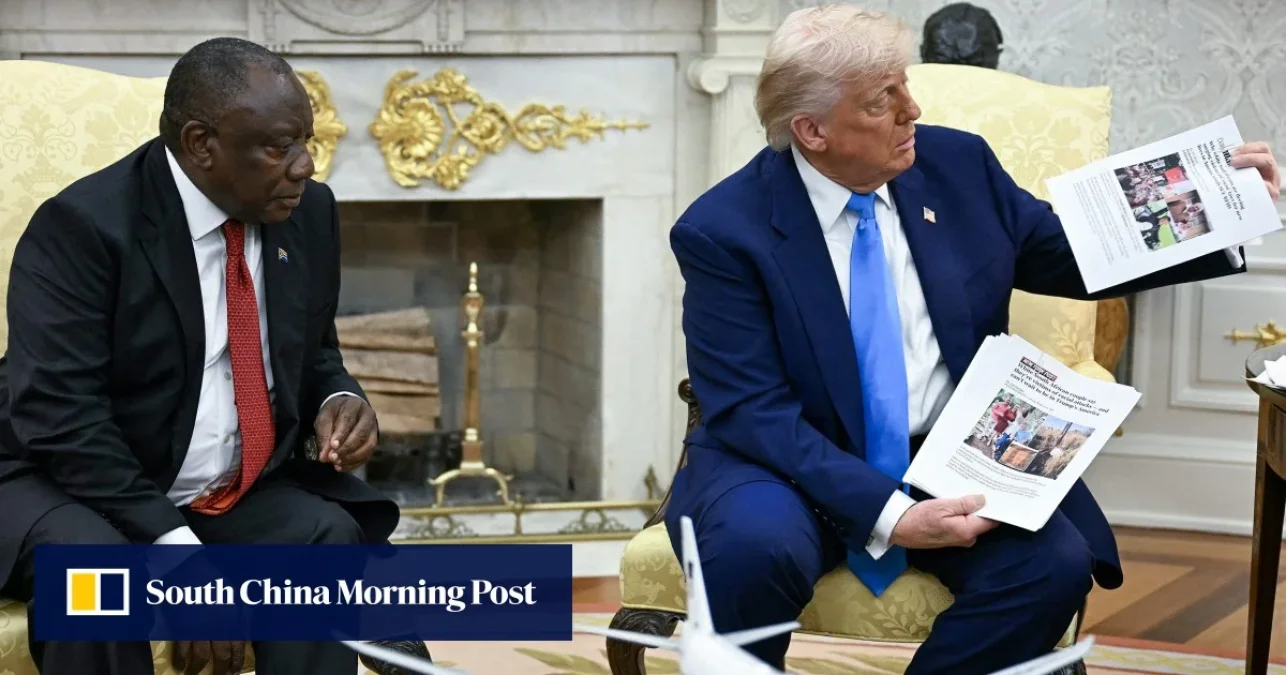
The U.S. government, under the current Trump administration, has announced a $50 million investment in South Africa's rare earth sector. This strategic financial commitment aims to secure and diversify American access to critical minerals essential for advanced technologies and national security. The decision is noteworthy given existing diplomatic strains between Washington and Pretoria, underscoring a pragmatic prioritization of mineral supply chain resilience. This initiative reflects a broader U.S. foreign policy objective to reduce reliance on single-source suppliers and bolster domestic industrial capabilities.
Key Facts
-
Investment Amount US$50 million
-
Recipient Country South Africa
-
Target Resource Rare Earths / Critical Minerals
-
U.S. Administration Trump (current, as of April 2026)
-
Bilateral Context Investment proceeds despite a diplomatic rift
Impact
This investment carries significant geopolitical and economic implications. For the United States, it represents a tangible step towards strengthening its critical mineral supply chains, a strategic imperative in an era of technological competition. Diversifying rare earth sources away from traditional dominant players enhances national security and provides greater stability for defense, electronics, and renewable energy sectors. For South Africa, the investment could stimulate its mining sector, create jobs, and attract further foreign direct investment into its nascent rare earth processing capabilities, potentially boosting its economic standing and positioning it as a key player in the global mineral market. From a diplomatic perspective, this move signals a highly pragmatic approach by the Trump administration, prioritizing transactional interests – specifically access to vital resources – over ongoing bilateral disagreements. While the investment might not immediately resolve the 'rift,' it opens a channel for engagement based on mutual economic benefit, potentially paving the way for improved, albeit strategically focused, relations. It indicates that securing critical resources is a top-tier foreign policy objective, capable of overriding other diplomatic hurdles. Globally, this investment could influence the rare earth market by fostering new production hubs and potentially altering existing supply dynamics. It might encourage other nations to pursue similar bilateral agreements to secure their own mineral supplies, thereby increasing competition and accelerating the development of new extraction and processing technologies worldwide. This could lead to a more diversified and resilient global critical minerals market over the long term, reducing systemic risks associated with concentrated supply.
Key Insights
-
1
Strategic Imperative
U.S. prioritizes critical mineral security above diplomatic harmony in key resource regions.
-
2
Pragmatic Foreign Policy
The Trump administration demonstrates a transactional foreign policy, leveraging investment to achieve strategic objectives despite existing political differences.
-
3
African Engagement
Highlights a renewed, resource-driven focus by the U.S. on African nations to secure vital industrial inputs.
-
4
Supply Chain Resilience
Direct foreign investment is being utilized as a tool to actively build more robust and diversified critical mineral supply chains.
Opportunities
For businesses, this investment opens significant opportunities, particularly for U.S. and South African mining companies specializing in rare earth exploration, extraction, and processing. U.S. firms could find avenues for joint ventures, technology transfer, and direct operational involvement in South Africa, benefiting from potential incentives and strategic support from both governments. South African companies, in turn, stand to gain access to capital, advanced U.S. mining technologies, and expertise, which can accelerate the development of their rare earth industry and improve local beneficiation capabilities. Technologically, the project will likely drive innovation in sustainable mining practices, efficient rare earth separation, and processing techniques. This includes opportunities for firms developing environmentally friendly extraction methods, reducing waste, and improving the purity and yield of rare earth oxides. Furthermore, there may be ancillary business opportunities in related infrastructure development, logistics, and skilled labor training to support the burgeoning rare earth sector in South Africa, fostering a broader ecosystem of industrial growth.
Risks & Challenges
Despite the strategic benefits, several risks accompany this investment. Political instability within South Africa or shifts in its mining policy could jeopardize the project's long-term viability and the security of the U.S. investment. The existing 'rift' suggests underlying disagreements that could resurface or escalate, potentially impacting operational continuity or leading to unfavorable regulatory changes. Furthermore, resource projects often face significant environmental and social challenges, including community opposition, land rights issues, and the need for stringent environmental impact assessments, which could delay or complicate operations and damage corporate reputations. Economically, the global rare earth market is subject to price volatility, which could affect the profitability and return on investment for the project. There's also the risk of technical challenges inherent in rare earth extraction and processing, which are complex and capital-intensive. Competition from other global suppliers, including established players and emerging producers backed by rival geopolitical powers, could also impact market share and strategic value. Finally, over-reliance on a single new source, even if diversified from existing ones, could introduce new points of vulnerability in the U.S. supply chain if the South African venture encounters unforeseen issues.
Related Articles