Thousands of Bees Descend on White House Grounds, Weeks After New Colonies Introduced
NewsHub
May 15, 2026
1 min read
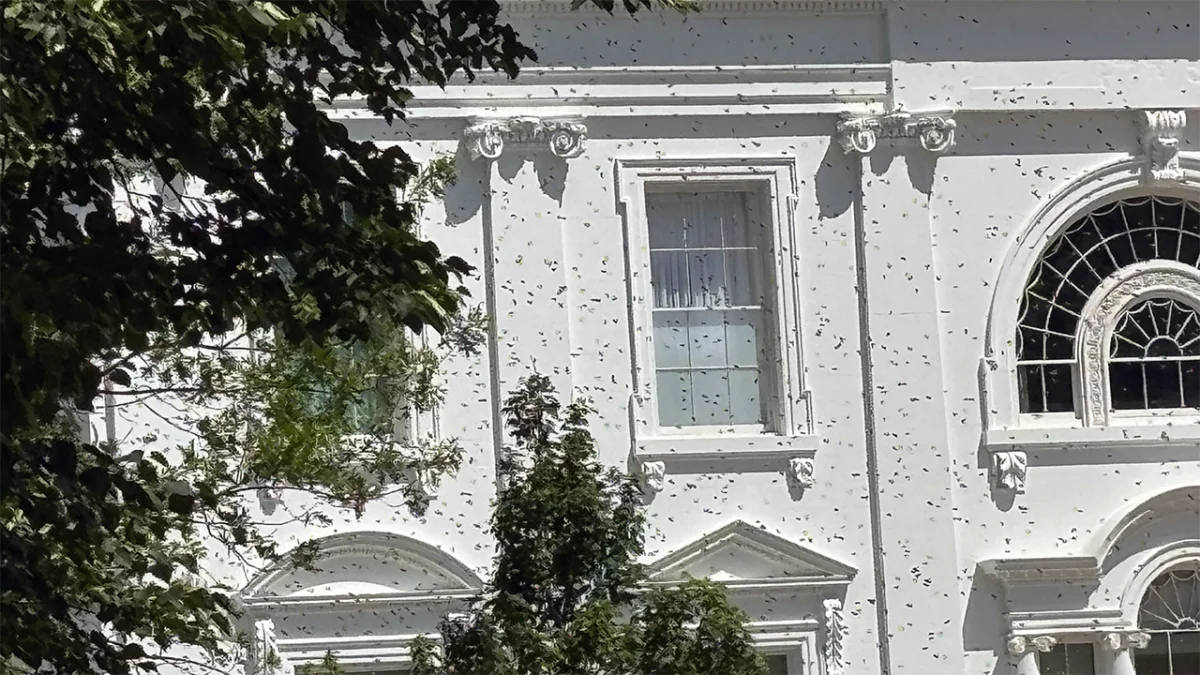
Washington D.C. witnessed an unusual spectacle this past Friday as a significant number of bees congregated on the North Lawn of the White House. This occurrence follows shortly after former First Lady Melania Trump's announcement regarding the establishment of two new bee colonies on the presidential grounds. The unexpected swarm has generated considerable public interest and discussion.
Key Facts
-
Location of Incident White House North Lawn
-
Time of Incident Friday
-
Number of Bees Thousands
-
Recent Related Event Addition of two new bee colonies to the White House property
Impact
The immediate impact of the bee swarm is primarily one of public curiosity and a disruption to the usual serene atmosphere of the White House North Lawn. While not inherently dangerous in large numbers when undisturbed, the presence of thousands of insects in such a prominent location can raise concerns for security and public perception. It has also provided a visual reminder of ongoing environmental efforts, albeit in a dramatic fashion. Beyond the visual spectacle, the event serves as a talking point for discussions around urban beekeeping, pollinator health, and the integration of natural elements within symbolic government spaces. The juxtaposition of a large insect population with one of the world's most secure and iconic buildings offers a unique and memorable image.
Key Insights
-
1
Environmental Symbolism
The event highlights the ongoing presence and impact of pollinators, even in highly urbanized and managed environments. It can be seen as a positive, albeit accidental, demonstration of successful habitat integration.
-
2
Public Relations
The timing, so close to the announcement of new colonies, creates a narrative that links the swarm directly to conservation efforts, potentially boosting positive public sentiment towards such initiatives.
-
3
Security Considerations
While bees are generally not aggressive when not provoked, such a large congregation could necessitate minor adjustments to lawn access or public movement in the immediate vicinity for the safety of staff and visitors.
Opportunities
This event presents a unique marketing and public relations opportunity for organizations involved in beekeeping, sustainability, and urban agriculture. Companies specializing in bee-friendly products or services could leverage the widespread attention to promote their brands and educate the public about the importance of pollinators. Educational institutions or environmental non-profits could also use this as a timely hook to launch campaigns or share resources on pollinator conservation and the benefits of urban bee populations.
Risks & Challenges
The primary risk associated with a large bee swarm is the potential for stings, especially if individuals are allergic. While the bees are likely foraging and not actively aggressive, accidental disturbance could lead to defensive behavior. This could pose a minor risk to White House staff, visitors, and security personnel if appropriate protocols are not followed. Another potential risk is the misinterpretation of the event, leading to unfounded fears or negative public perception about beekeeping initiatives. Without clear communication linking the swarm to existing colonies and natural foraging behavior, some may view it as a sign of an uncontrolled or problematic infestation. This could, in turn, undermine broader support for pollinator conservation efforts.
Related Articles