Supreme Court Rejects Virginia's Bid for Democrat-Favored Congressional Map
NewsHub
May 16, 2026
1 min read
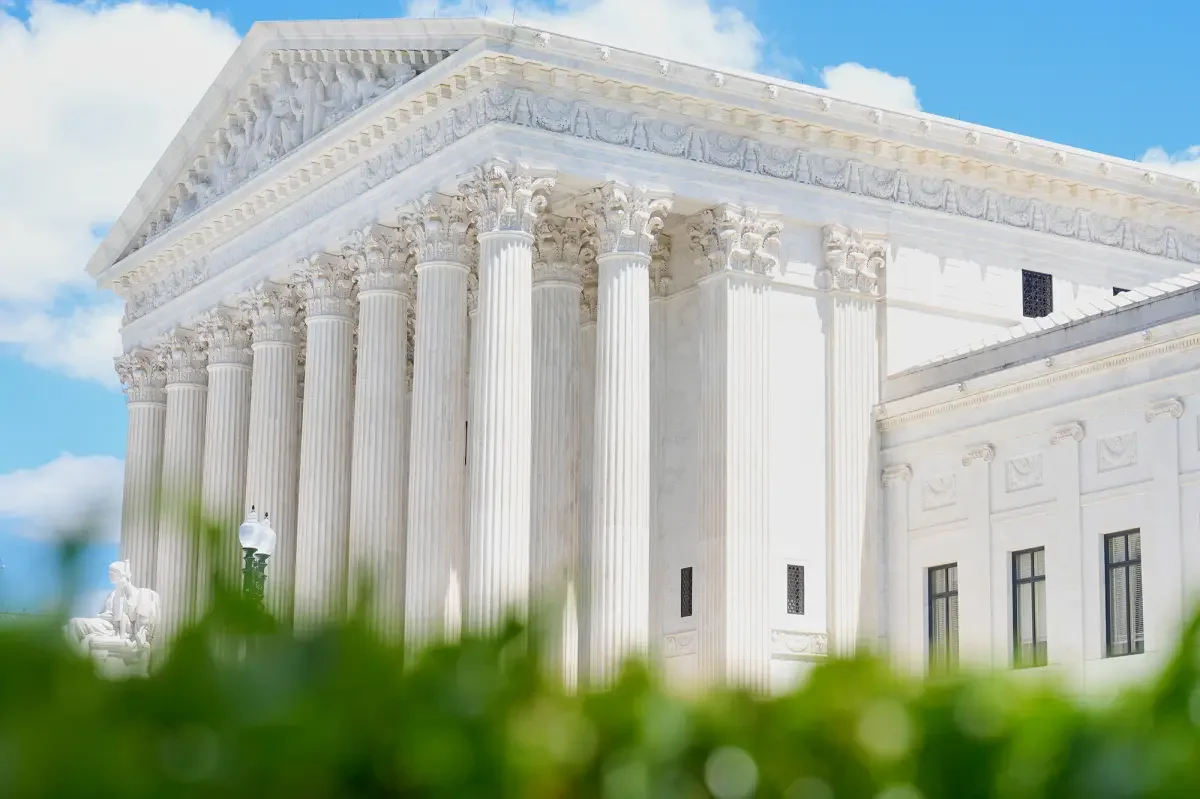
The Supreme Court on May 16, 2026, denied Virginia's request to reinstate a specific congressional district map. This pivotal decision thwarts efforts that were projected to enable the Democratic party to secure an additional four seats in the U.S. House of Representatives. By upholding the existing electoral boundaries, the ruling maintains the current congressional landscape within Virginia, preventing a significant shift in the state's partisan representation at the national level. This outcome underscores the ongoing legal complexities and high stakes involved in post-census redistricting disputes across the nation.
Key Facts
-
Court Ruling Date May 16, 2026
-
Court Involved Supreme Court of the United States
-
State Affected Virginia
-
Court Action Rejected a petition/bid
-
Subject of Petition Restoration of a specific congressional map
-
Potential Impact of Map (if restored) Democrats gaining four seats in the U.S. House
-
Current Status Existing congressional map remains in effect
Impact
This Supreme Court decision locks in Virginia's current congressional district boundaries, directly impacting the anticipated partisan makeup of the U.S. House of Representatives. The rejection means that the Democratic Party will not gain the four projected seats from Virginia, which could be crucial in close national elections, especially for control of the House in future cycles. This outcome could force both major parties to re-evaluate their strategies for legislative races in Virginia and beyond, as the potential for shifting electoral landscapes through redistricting has been explicitly curtailed in this instance. The ruling also contributes to the broader legal discourse surrounding electoral map-drawing and the extent of judicial intervention in what is often a highly politicized process. It sends a message regarding the high bar for overturning existing maps or reinstating previously challenged ones, potentially influencing how states approach redistricting in subsequent cycles. This could lead to a greater emphasis on legislative control over the redistricting process, as judicial avenues for altering maps appear increasingly constrained.
Key Insights
-
1
Judicial Stance on Redistricting
The ruling highlights the Supreme Court's cautious approach to intervening in state-level redistricting, particularly when it comes to maps perceived as overtly partisan. This suggests a preference for allowing existing legislative or commission-drawn maps to stand unless there are clear constitutional violations beyond partisan intent.
-
2
Impact on Democratic Strategy
For Democrats, this represents a setback in their efforts to expand their congressional majority or regain ground. It necessitates a shift in focus from map challenges to increased investment in voter turnout and candidate quality within existing districts to achieve electoral gains in Virginia.
-
3
Reinforcement of Status Quo
The decision reinforces the current political status quo in Virginia's congressional delegation, making it harder for significant partisan shifts to occur solely through boundary changes. This places greater emphasis on demographic shifts and voter engagement as primary drivers of future electoral outcomes.
Opportunities
The outcome of this legal battle creates opportunities in the fields of political strategy and data analytics. Political consulting firms specializing in grassroots organizing, voter data analysis, and targeted campaign messaging will see increased demand as parties seek to win elections under fixed district lines rather than through map alterations. Furthermore, technology companies developing advanced tools for demographic analysis, predictive modeling of election results, and micro-targeting voters could find a burgeoning market. Beyond direct political campaigns, there's an opportunity for non-partisan organizations and civic tech initiatives. The continuous challenges and rejections of maps underscore the public's interest in fair elections. This could spur investment in platforms that educate citizens about redistricting, monitor electoral integrity, and advocate for independent redistricting commissions, leveraging technology to promote transparency and public engagement in the electoral process.
Risks & Challenges
The Supreme Court's decision carries the risk of deepening partisan frustration and disillusionment among voters who believe the electoral system is rigged or unfair. For those who advocated for the rejected map, this ruling may be perceived as upholding gerrymandered districts, potentially leading to reduced voter engagement or increased political polarization as trust in the fairness of the electoral process erodes. Such sentiments can undermine civic participation and contribute to political instability. Furthermore, this ruling could embolden political actors to pursue more aggressive partisan gerrymandering in future redistricting cycles, assuming that judicial intervention to correct such actions remains limited. If the courts consistently decline to restore maps seen as fairer or reject those deemed overly partisan, it could lead to an arms race in state legislatures to draw advantageous maps, further entrenching one party's power and making genuinely competitive elections scarcer in affected states.
Related Articles