
Supreme Court Grapples With Leaks: Chief Justice Roberts Faces Pressure to Involve FBI
NewsHub
Apr 19, 2026
1 min read
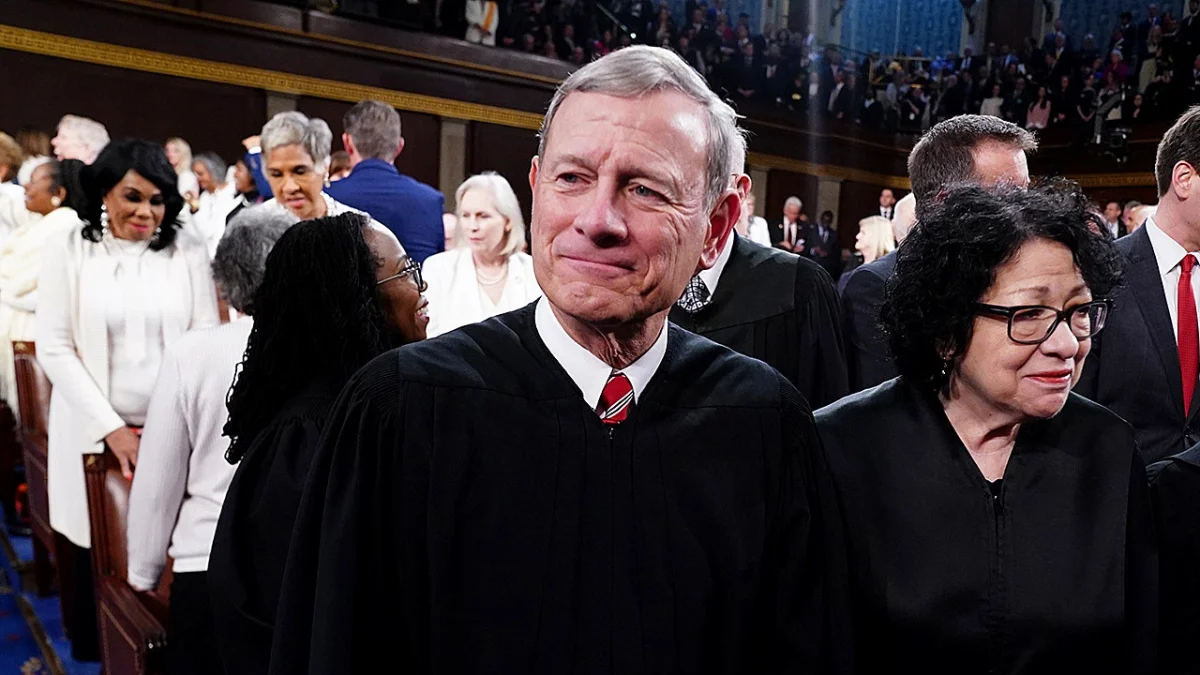
Amidst a series of disruptive information disclosures from the Supreme Court, Chief Justice John Roberts is reportedly facing increasing calls to take decisive action. These repeated leaks are undermining public trust and the institution's perceived impartiality. To counter this erosion of confidence and safeguard the judiciary's standing, proponents are advocating for the immediate engagement of the Federal Bureau of Investigation. The primary objective is to identify the sources of these unauthorized disclosures and implement stringent measures to prevent future occurrences, thereby restoring the Court's operational integrity and public credibility.
Key Facts
-
Event Recurring damaging leaks from the Supreme Court.
-
Figure Under Pressure Chief Justice John Roberts.
-
Proposed Action Engage the FBI for investigation.
-
Primary Concern Preservation of the Supreme Court's credibility.
Impact
The recurring unauthorized disclosures from the Supreme Court significantly erode public trust in the judiciary's impartiality and decision-making processes. Such leaks can politicize sensitive legal deliberations, potentially influencing public opinion and legislative actions before formal announcements. This creates an environment where the integrity of judicial proceedings is questioned, making it harder for the Court to maintain its unique position as a non-political arbiter of law. Should Chief Justice Roberts decide to involve the FBI, it would signal a profound shift in how the Court addresses internal security breaches. While aiming to restore order and credibility, an external investigation could also create internal tensions and potentially lead to severe legal consequences for those identified as sources. This move would set a precedent for handling future internal security challenges within the judicial branch, emphasizing a no-tolerance policy for compromising judicial confidentiality.
Key Insights
-
1
Judicial Autonomy Threat
Persistent leaks undermine the Supreme Court's internal deliberative process and its perceived independence from external political pressures, complicating its constitutional role.
-
2
Leadership Dilemma
Chief Justice Roberts faces a delicate balance in asserting internal discipline while navigating calls for external intervention (FBI), potentially risking the Court's collegiality versus upholding its institutional integrity.
-
3
Eroding Trust
Each leak further chips away at the public's confidence in the judiciary, fostering a perception of politicization within an institution designed to be above partisan fray.
Opportunities
The heightened focus on securing highly sensitive information within the judicial branch presents a clear market for advanced cybersecurity solutions. Companies specializing in secure internal communication platforms, data loss prevention (DLP) systems, and AI-driven anomaly detection in document access could find significant demand. There's an opportunity for innovation in creating encrypted, auditable digital workflows specifically tailored for high-stakes governmental institutions to prevent unauthorized data exfiltration. Beyond technology, opportunities exist for specialized consulting services focusing on institutional integrity and internal security protocols. This could include firms offering comprehensive risk assessments, personnel vetting strategies, and ethics training programs designed to reinforce confidentiality among staff. Additionally, experts in digital forensics and internal investigations would be well-positioned to assist organizations in identifying vulnerabilities and responding to breaches effectively.
Risks & Challenges
Failing to effectively address the recurring Supreme Court leaks carries substantial risks for the institution's long-term standing. Continued inaction could lead to further erosion of public and international confidence in the judiciary's ability to maintain confidentiality and impartiality. This environment could invite increased political pressure, potentially influencing judicial outcomes or undermining the perceived legitimacy of rulings, thereby transforming the Court into another battleground for partisan conflict. Conversely, bringing in the FBI, while potentially effective, also introduces significant internal risks. It could exacerbate existing tensions within the Court, creating an atmosphere of mistrust among justices and their staff. There's a risk of the investigation being perceived as overly aggressive or politically motivated, which could damage collegiality and hinder legitimate internal deliberations. Furthermore, identifying the precise source of leaks can be notoriously difficult, and an inconclusive FBI investigation might further diminish the Court's authority rather than restore it.
Related Articles