
Strait of Hormuz Navigation Dwindles Post-Conflict Amidst Security Concerns
NewsHub
Apr 12, 2026
1 min read
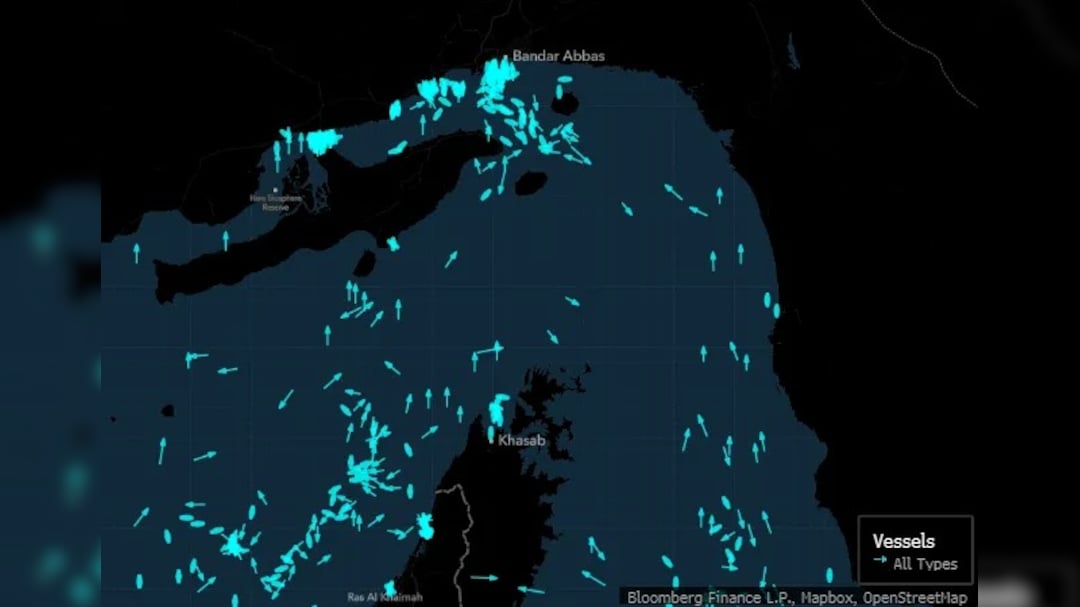
As of Sunday, April 12, 2026, maritime traffic through the vital Strait of Hormuz continues to be significantly curtailed. Ship owners are exhibiting a strong reluctance to navigate this critical energy transit route, a sentiment amplified by its recent status as a conflict zone. Iran's assertive stance over the chokepoint is a primary driver behind the reduced vessel movement, impacting global energy supply chains. The lingering perception of risk is deterring commercial operations, leading to a prolonged period of diminished activity.
Key Facts
-
Strait Traffic Levels Significantly reduced
-
Primary Obstacle for Navigation Security concerns and owner reluctance
-
Recent Geopolitical Status of Strait War zone until recently
-
Iran's Role Assertive control over the chokepoint
Impact
The sustained low volume of traffic through the Strait of Hormuz is creating ripple effects across the global energy market. With a substantial portion of the world's oil and gas transiting this waterway, any prolonged disruption can lead to price volatility and supply uncertainties. Nations heavily reliant on imports from the Persian Gulf face potential energy shortfalls or increased transportation costs as they seek alternative, albeit likely more expensive and circuitous, routes. Beyond immediate energy concerns, the diminished activity in the strait signals broader economic repercussions. Shipping companies are reassessing their risk appetites and operational strategies, potentially leading to a long-term shift in trade patterns. The perceived instability of this key maritime artery could discourage future investment in energy infrastructure and exploration in the surrounding regions, further complicating global energy security.
Key Insights
-
1
Geopolitical Risk Premium
The market is factoring in a significant geopolitical risk premium for shipments passing through the Strait, impacting insurance rates and operational willingness.
-
2
Shifting Maritime Security Landscape
The current situation highlights a dynamic and challenging maritime security environment, demanding new approaches to ensuring freedom of navigation and commercial safety.
Opportunities
The prolonged dip in Strait of Hormuz traffic could spur innovation in alternative energy transportation infrastructure. Investments in expanding overland pipeline networks or developing new liquefied natural gas (LNG) import/export terminals in more secure locations might become increasingly attractive. Furthermore, the heightened demand for specialized maritime security services and technologies designed for high-risk areas presents a significant opportunity for companies operating in this sector. This situation also opens avenues for countries with established alternative shipping routes or those investing in energy independence. Diversification of energy sources and supply chains, driven by the necessity of avoiding the Hormuz, could accelerate the development of renewable energy projects and the exploration of unconventional fossil fuel reserves in geographically safer regions.
Risks & Challenges
The most immediate risk is the potential for further escalation of tensions or deliberate disruption by Iran, which could lead to a complete halt in traffic and severe global economic fallout. This would trigger a rapid and dramatic surge in oil prices, potentially plunging economies into recession. The prolonged reduction in traffic also increases the risk of accidents or miscalculations by naval forces operating in the vicinity, further heightening the potential for unintended conflict. On a more systemic level, the dependence on a single, vulnerable chokepoint for a significant portion of global energy supplies remains a fundamental vulnerability. If this situation persists, it could encourage protectionist trade policies and geopolitical maneuvering as nations scramble to secure their energy interests, potentially leading to a more fragmented and unstable international order.
Source url: https://www.ndtvprofit.com/world/heres-what-has-been-getting-through-hormuz-since-the-iran-war-11347902