Senator Padilla Expresses Alarm Over Trump's 'SAVE America Act,' Citing Voter Suppression Concerns
NewsHub
Apr 15, 2026
1 min read
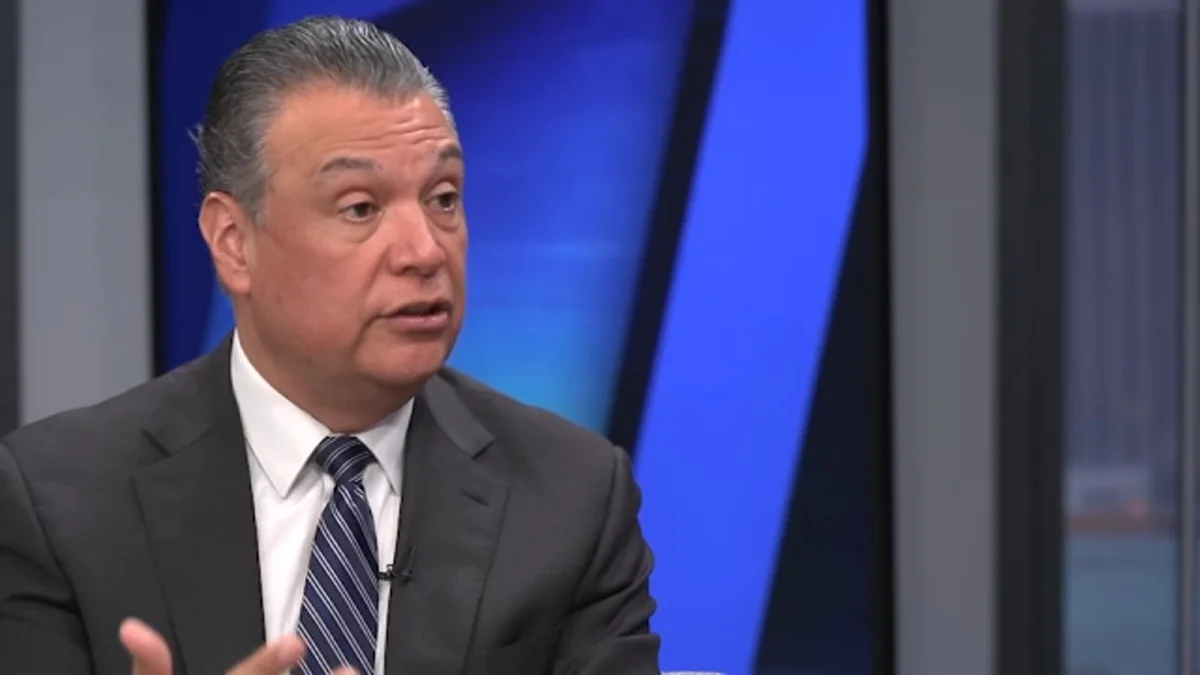
California Senator Alex Padilla has voiced strong opposition to former President Donald Trump's proposed 'SAVE America Act,' warning it could lead to significant voter suppression. In a recent interview, Senator Padilla indicated a deep mistrust of Trump's motivations, suggesting the act is another attempt to consolidate power. This critique highlights ongoing tensions surrounding election integrity and access, particularly concerning future federal electoral reforms. Padilla's comments underscore a critical fault line in American politics regarding voting rights and the mechanisms of democratic participation.
Key Facts
-
Criticizing Official Senator Alex Padilla (D-CA)
-
Legislation Under Scrutiny Donald Trump's 'SAVE America Act'
-
Primary Concern Raised Potential for voter suppression
-
Padilla's Stance Expresses strong distrust of Trump's motives regarding power retention
-
Source of Comments Eyewitness News interview, conducted last week
Impact
Senator Padilla's condemnation of the 'SAVE America Act' is likely to further polarize the ongoing national debate surrounding election reform and voter access. If the proposed act contains provisions that restrict voting methods or eligibility, it could ignite significant legislative battles in Congress and statehouses. The immediate impact would be increased public and media scrutiny of any legislative text associated with the act, potentially mobilizing advocacy groups on both sides of the issue. This could also influence upcoming election cycles, as voter access becomes a more prominent campaign issue, shaping candidate platforms and voter turnout strategies. Beyond immediate political ramifications, the discourse surrounding the 'SAVE America Act' and its potential for voter suppression could erode public trust in electoral processes. Allegations of suppressing votes, regardless of their factual basis, can deepen partisan divides and foster a sense of disenfranchisement among certain segments of the electorate. This environment makes it challenging to achieve consensus on fundamental democratic procedures, potentially leading to increased legal challenges and political gridlock on election-related matters.
Key Insights
-
1
Political Strategy
Padilla's early and strong denouncement signals a preemptive strike by Democrats against potential Republican-led electoral reforms, framing them as attempts at voter suppression from the outset.
-
2
Election Integrity Debate
The 'SAVE America Act' will likely become a focal point in the enduring debate between election security advocates and voter access proponents, forcing a national conversation on balancing these priorities.
-
3
Trump's Enduring Influence
The former president continues to shape political discourse and legislative proposals, maintaining significant influence over conservative policy objectives, particularly those related to elections.
Opportunities
The intensified debate over voting rights and election mechanisms presents opportunities for technological innovation in election management and voter engagement. Businesses specializing in secure, verifiable digital identity solutions, online voter registration platforms, and secure ballot tracking technologies could see increased demand. Furthermore, the need for transparent election auditing tools and cybersecurity measures for election infrastructure could drive investment and development in these niche areas, offering solutions that enhance both security and accessibility. For non-profit organizations and civic tech initiatives, there's an opportunity to develop educational platforms that clarify voting laws, simplify registration processes, and combat misinformation. This environment also fosters growth in legal tech, particularly for firms specializing in election law and litigation, as potential legislative changes or challenges would necessitate expert legal analysis and representation. Companies providing data analytics for voter trends and public opinion surveys on electoral reforms could also find a growing market.
Risks & Challenges
One significant risk stemming from this political confrontation is the further weaponization of election integrity as a partisan issue, potentially leading to a breakdown in bipartisan efforts to modernize and secure electoral systems. If the 'SAVE America Act' is perceived to restrict voting, it could spark widespread protests, legal battles, and a renewed wave of advocacy campaigns, creating social unrest and diverting governmental resources towards conflict resolution rather than legislative progress. This prolonged contention could ultimately undermine public confidence in democratic institutions and the legitimacy of election outcomes. Economically, prolonged uncertainty or perceived unfairness in election processes can deter investment and create instability, as businesses prefer predictable regulatory and political environments. Furthermore, if states or localities are compelled to implement costly and controversial changes to their election administration, it could strain budgets and resources. There's also a risk of increased cyber threats targeting election systems amid heightened political tensions, as malicious actors might attempt to exploit public distrust and compromise the integrity of the voting process.
Related Articles