Presidential Action Concludes Extended DHS Funding Stalemate, Key Agencies Still Lacking Resources
NewsHub
Apr 30, 2026
1 min read

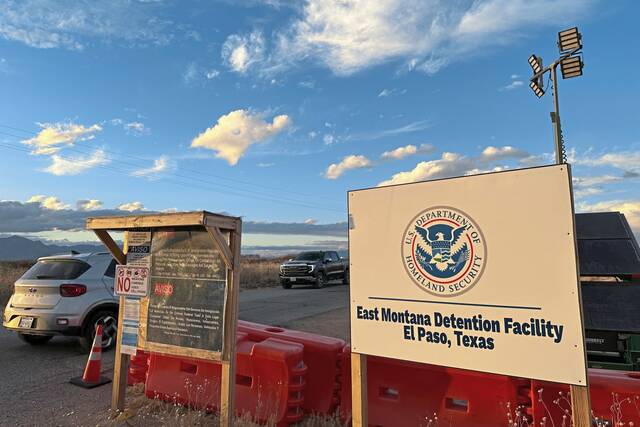
President Trump has signed legislation to resolve a prolonged funding gap impacting the Department of Homeland Security, a stalemate that endured for an unprecedented 75 days. While this move averts a complete shutdown for many DHS functions, crucial agencies such as Immigration and Customs Enforcement (ICE) and Customs and Border Protection (CBP) remain without allocated financial resources. This partial resolution brings an end to significant operational uncertainty for a large portion of the department, but the continued deficit for border security and immigration enforcement units presents ongoing challenges.
Key Facts
-
Funding Lapse Duration 75 days
-
Presidential Action Signed legislation to end funding lapse
-
Agencies Still Unfunded ICE and CBP
Impact
The conclusion of the extended funding lapse for much of the Department of Homeland Security offers a measure of stability to numerous departments and their personnel. This action prevents a broader governmental disruption that would have cascaded through critical national security and public safety operations. However, the ongoing lack of funding for Immigration and Customs Enforcement and Customs and Border Protection will likely lead to continued operational constraints, potentially affecting their ability to carry out core enforcement and processing duties. This bifurcated funding situation creates a complex and uncertain environment for the entire department. For the workforce within ICE and CBP, the continued absence of a finalized budget signifies persistent anxiety regarding resources, personnel, and the long-term viability of certain initiatives. This can translate into morale issues, recruitment challenges, and difficulties in long-range planning. The implications extend beyond internal operations, potentially impacting communities through altered enforcement postures and border management strategies. The partial resolution, therefore, represents a temporary reprieve for some, while an unresolved challenge persists for others.
Key Insights
-
1
Political Dynamics
The extended duration of the funding lapse highlights significant political divisions and the use of appropriations as leverage in policy disputes, particularly concerning immigration.
-
2
Operational Resilience
The ability of agencies to operate, albeit with limitations, during extended funding gaps demonstrates a degree of institutional resilience but also exposes vulnerabilities.
-
3
Budgetary Uncertainty
The precedent of such lengthy funding debates underscores the ongoing challenge of achieving stable and predictable federal budgeting, especially for agencies dealing with dynamic national security and humanitarian issues.
Opportunities
The ongoing need for robust immigration enforcement and border management, despite funding challenges, presents opportunities for technological innovation in areas like surveillance, data analytics, and automated processing. Companies offering cost-effective and efficient solutions in these domains could find increased demand. Furthermore, the situation might spur interest in public-private partnerships to supplement governmental capabilities, particularly in managing humanitarian aspects of migration or facilitating secure border crossings.
Risks & Challenges
The continued underfunding of ICE and CBP poses significant risks to national security and border integrity. Without adequate resources, these agencies may struggle to effectively monitor borders, investigate illicit activities, and process asylum claims, potentially leading to increased unauthorized crossings and opportunities for criminal enterprises. This situation also creates a reputational risk for the administration, suggesting an inability to manage critical governmental functions and provide necessary support to frontline agencies. Furthermore, the prolonged period of uncertainty could lead to a 'brain drain' within these agencies, as experienced personnel seek more stable employment elsewhere. This loss of institutional knowledge and expertise would further exacerbate operational challenges and undermine long-term effectiveness. The public perception of diminished border security and immigration control could also embolden adversaries or fuel domestic anxieties, creating a climate of instability.
Related Articles