
NYC Subway Shooting: Teen Arrested for Role in Incident that Paralyzed Victim
NewsHub
Apr 30, 2026
1 min read
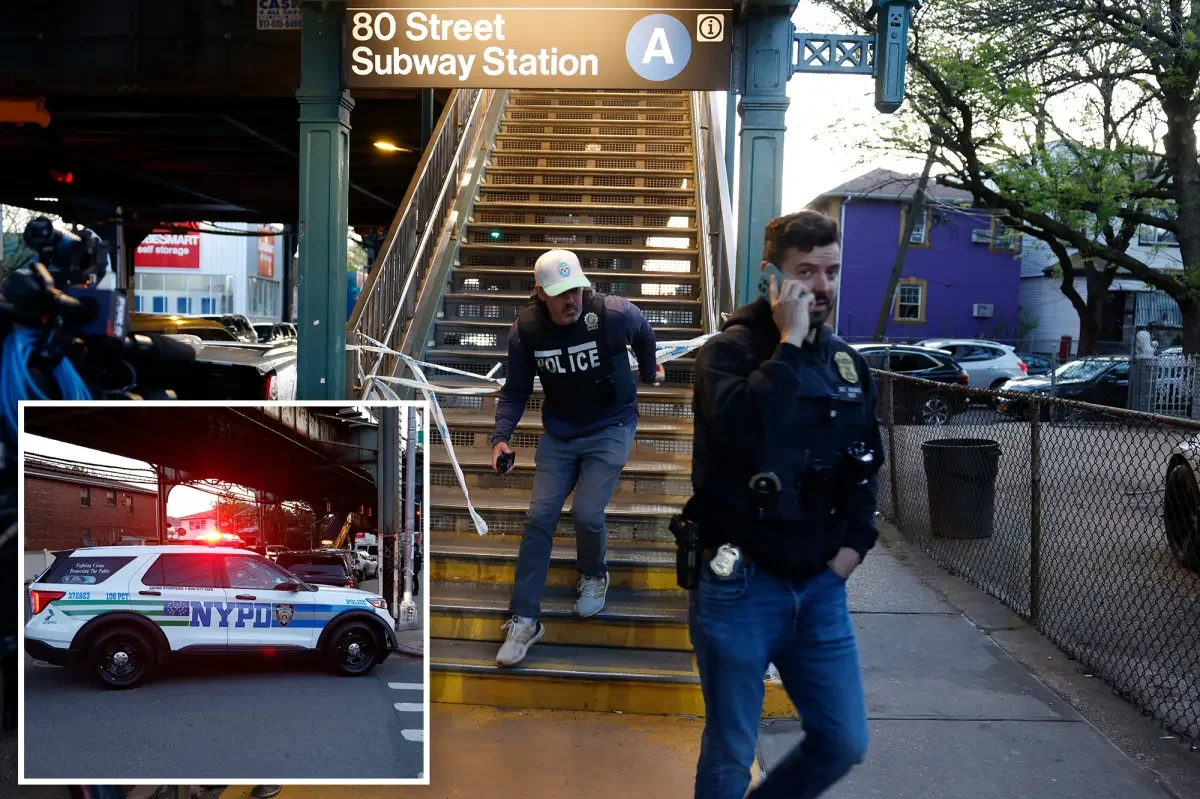
Authorities in New York City have apprehended a 16-year-old in connection with a recent subway shooting that left a 15-year-old victim paralyzed. The suspect was reportedly recognized by the NYPD’s Neighborhood Safety Team on Wednesday afternoon. The incident, which occurred earlier this week on an A train, involved a firearm allegedly hidden by the arrested teen and subsequently used by an associate, resulting in severe injuries to the victim. This arrest highlights ongoing concerns about youth involvement in violent crime and weapon accessibility within the city's transit system.
Key Facts
-
Incident Type Subway Shooting
-
Incident Date Monday, earlier this week
-
Incident Time 6:00 PM
-
Location NYC A Train
-
Primary Suspect Age 16 years old
-
Victim Age 15 years old
-
Victim Status Paralyzed
-
Weapon Origin Allegedly hidden by 16-year-old suspect
-
Arrest Date Wednesday afternoon, earlier this week
-
Arresting Unit NYPD Neighborhood Safety Team
Impact
This tragic event on the subway sends ripple effects across multiple societal layers. For the victim and their family, the immediate impact is devastating, involving life-altering paralysis and immense medical, emotional, and financial burdens. Beyond the personal tragedy, the incident intensifies public anxiety regarding safety within New York City's expansive transit network, potentially deterring ridership and eroding confidence in urban security measures. Broader implications extend to public policy and community relations. It places renewed pressure on city officials and law enforcement to address youth violence and illegal firearm proliferation. The involvement of minors in such severe crimes also highlights systemic issues related to youth mentorship, educational opportunities, and access to support services, potentially fostering skepticism about the effectiveness of current intervention programs and community engagement strategies.
Key Insights
-
1
Youth Involvement in Crime
The incident underscores a persistent challenge with minors acquiring and using firearms, often with severe consequences for their peers and themselves.
-
2
Transit Safety Perceptions
Despite overall crime trends, highly publicized violent events on public transit disproportionately impact public perception of safety, regardless of statistical frequency.
-
3
Role of Enforcement Units
The arrest by the Neighborhood Safety Team highlights the critical function of specialized police units in targeted apprehension and crime reduction efforts in specific areas.
-
4
Weapon Accessibility
The method of concealment and use of the weapon points to the concerning ease with which firearms can be circulated among young individuals.
Opportunities
Addressing the root causes of youth violence presents opportunities for investment in preventative programs. Expanding after-school initiatives, mentorship programs, and vocational training can provide positive alternatives and pathways for at-risk youth, diverting them from environments where crime is prevalent. Furthermore, community-led violence interruption programs, which employ credible messengers to mediate conflicts and offer support, could be scaled up to foster safer neighborhoods and reduce the likelihood of retaliatory acts. Technologically, there's potential to enhance surveillance and security infrastructure within the subway system, utilizing advanced analytics to identify suspicious patterns and improve rapid response capabilities. Collaborations between technology firms and transit authorities could lead to more integrated safety platforms, combining data from various sources to create a more secure public transport environment without compromising privacy.
Risks & Challenges
The most immediate risk is the potential for increased community polarization and the erosion of trust between youth and law enforcement. A heightened focus on punitive measures without corresponding investment in social support systems could exacerbate existing inequalities, alienate marginalized communities, and contribute to a cycle of crime rather than breaking it. There's also a risk of stigmatizing all young people due to the actions of a few, leading to unfair targeting and a reduction in opportunities for law-abiding youth. Furthermore, the incident poses a significant risk to the perception and reality of public transit safety. If commuters perceive the subway as increasingly dangerous, it could lead to reduced ridership, impacting the city's economy and sustainability efforts. This fear could also pressure authorities to implement overly aggressive or less effective security measures that might infringe on civil liberties or disproportionately affect certain demographics, rather than addressing the underlying issues of gun violence and youth engagement.
Related Articles