Naval Buildup in Hormuz: US Tightens Grip as Iran Tensions Escalate
NewsHub
Apr 19, 2026
1 min read
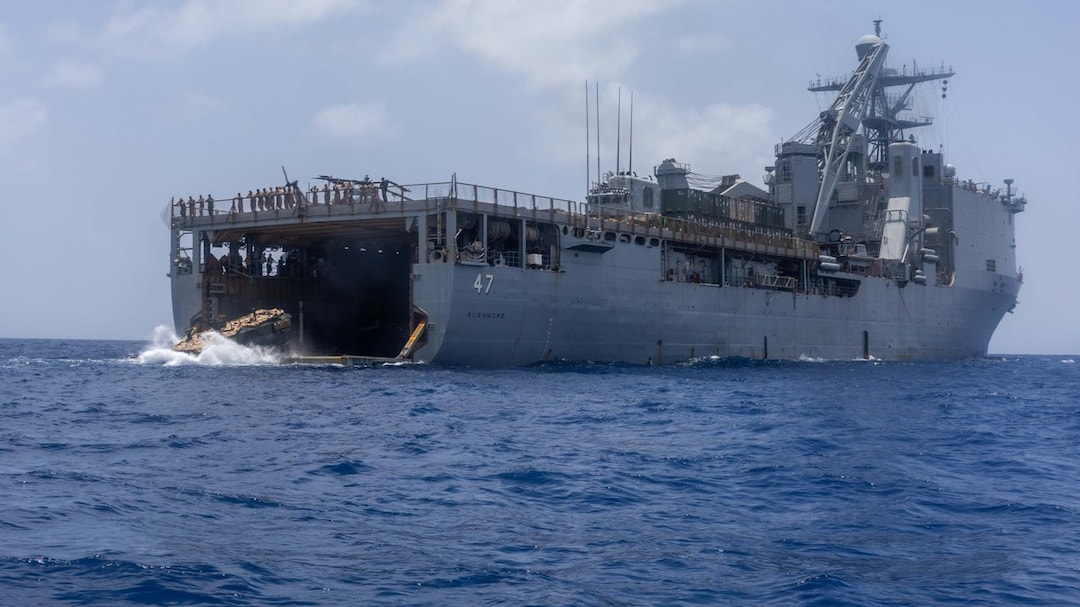
In a significant escalation of regional tensions, the United States has reinforced its naval presence in the critical Strait of Hormuz. The US military, through CENTCOM, is implementing a comprehensive maritime interdiction strategy. Naval assets, including the USS Rushmore, are actively enforcing trade restrictions. This move comes as President Trump has indicated an acceleration of pressure tactics against Iran, with a specific deadline of April 22 for increased actions. The deployment signals a heightened state of alert and a deliberate effort to choke off maritime commerce in a vital global waterway.
Key Facts
-
US Military Action Increased naval deployment and maritime blockade in the Strait of Hormuz.
-
Key Asset Deployed USS Rushmore and other warships involved.
-
Enforcement Body CENTCOM overseeing the blockade.
-
Presidential Directive President Trump aiming to intensify Iran pressure by April 22.
-
Consequence Halting of trade through the strait.
Impact
The intensified US posture in the Strait of Hormuz is poised to have immediate and far-reaching consequences. Global oil markets are likely to experience volatility as the closure or severe disruption of this key shipping lane directly impacts supply. Countries heavily reliant on oil imports from the Persian Gulf region, particularly in Asia, will face significant economic challenges, potentially leading to price hikes for consumers and disruptions in manufacturing and transportation sectors. Furthermore, the heightened military activity could trigger retaliatory measures, increasing the risk of miscalculation and accidental conflict in an already volatile region.
Key Insights
-
1
Geopolitical Strategy
The US appears to be employing a coercive economic strategy, leveraging control over a vital chokepoint to exert pressure on Iran.
-
2
Escalation Threshold
The specific deadline of April 22 suggests a planned escalation, possibly linked to specific Iranian actions or as a broader diplomatic maneuver.
-
3
Regional Stability Concerns
The deployment significantly raises the stakes for regional stability, increasing the likelihood of broader conflict if diplomatic channels fail.
Opportunities
This heightened maritime activity presents opportunities for the defense industry, particularly for companies specializing in naval technology, surveillance, and advanced weaponry. There may also be increased demand for sophisticated maritime security solutions for commercial shipping navigating potentially hazardous waters. Additionally, the situation could spur innovation in alternative energy sources and diversified supply chain strategies as nations seek to reduce their vulnerability to disruptions in traditional shipping routes.
Risks & Challenges
The most immediate risk is an escalation of hostilities. Iran may perceive the blockade as an act of war and respond with asymmetric tactics, such as mining, missile attacks, or harassment of commercial vessels. This could lead to direct military confrontation between US forces and Iranian assets, potentially drawing in regional allies. The disruption of global trade, particularly oil shipments, also carries significant economic risks, including inflation, supply shortages, and potential recessions in import-dependent economies.
Related Articles