Iranian Elite's Offspring Exposed: Lavish Western Lives Amidst Domestic Austerity
NewsHub
Apr 19, 2026
1 min read
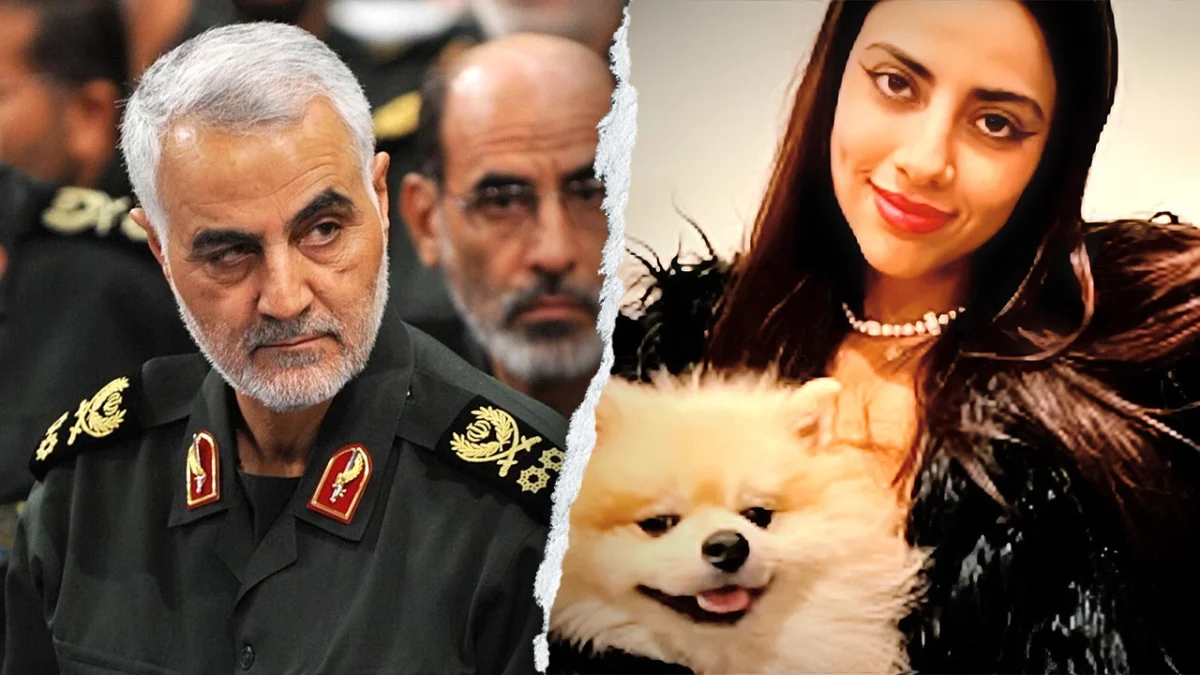
A new documentary has cast a spotlight on the significant disparity between the austere Islamic Republic's directives for its citizens and the opulent lifestyles enjoyed by the children of its top officials in Western nations. The film details how financial resources are allegedly funneled abroad to fund lavish residences, high-end consumerism, and privileged existences for these 'nepo babies' far from Iran's strict social and economic realities. This revelation fuels existing public grievances regarding government hypocrisy and economic inequality, potentially intensifying domestic dissent and international scrutiny of the regime's governance and financial practices.
Key Facts
-
Subject of Exposure Extravagant lives of children belonging to Iran's ruling class.
-
Location of Lifestyles Predominantly Western countries.
-
Funding Allegation Resources diverted from Iran, linked to the ruling elite.
-
Core Contradiction Strict Islamic rule enforced domestically versus personal opulence abroad.
-
Medium of Revelation A new documentary titled 'Nepo Babies of Iran's Regime'.
Impact
The exposure of Iranian officials' children enjoying lavish lives in the West while the populace endures strict Islamic rule and economic hardship could significantly erode the regime's legitimacy both domestically and internationally. Internally, it is likely to exacerbate public anger and disillusionment, potentially fueling further protests and demands for greater accountability from a population already grappling with economic challenges and social restrictions. The perceived hypocrisy could undermine the moral authority the government attempts to project, making it harder to enforce its policies and control dissent. Internationally, this revelation could intensify calls for human rights investigations and increased scrutiny of financial flows from Iran. It provides tangible evidence to critics who argue that the regime's leadership prioritizes personal gain and privilege over the welfare of its citizens, potentially influencing foreign policy decisions, sanctions discussions, and public opinion in Western countries regarding engagement with the Islamic Republic. This narrative further complicates diplomatic efforts and presents a significant public relations challenge for Tehran.
Key Insights
-
1
Regime Hypocrisy
The documentary starkly illustrates the profound disconnect between the Islamic Republic's ideological rhetoric and the private conduct of its elite, highlighting a pervasive hypocrisy where strictures are applied selectively to the populace.
-
2
Information Warfare
This exposé serves as a potent tool in the ongoing information warfare surrounding Iran, providing critics and opposition movements with compelling evidence to challenge the regime's narrative and internal cohesion.
-
3
Globalized Elite Dynamics
It underscores a common phenomenon across authoritarian states where ruling elites often exploit national resources for personal gain, leveraging international financial systems and educational institutions for their offspring, despite publicly espousing anti-Western sentiment.
-
4
Vulnerability Through Wealth
The concentration of wealth and assets, particularly abroad, makes these individuals and, by extension, the regime, vulnerable to sanctions, asset freezes, and public shaming, presenting a potential pressure point for international actors.
Opportunities
This type of investigative journalism creates opportunities for further documentary filmmaking and robust data journalism. There's a growing market for deep-dive investigations into illicit financial flows and the wealth accumulation of political elites, especially in closed societies. Technology can play a significant role here, with AI-powered data analytics and open-source intelligence (OSINT) tools becoming increasingly sophisticated in tracking financial assets, real estate holdings, and educational paths of individuals globally, even when obscured by shell companies or complex ownership structures. For civil society and human rights organizations, these revelations offer an opportunity to amplify advocacy efforts and push for greater transparency and accountability from governments globally regarding foreign asset declarations and corruption. Platforms enabling secure whistleblowing and crowdsourced intelligence gathering could also see increased utility and demand, empowering individuals with information to contribute to broader investigations.
Risks & Challenges
The primary risk for the Iranian regime is an escalation of domestic unrest and anti-government sentiment. Public anger over such stark displays of hypocrisy and corruption could ignite widespread protests, reminiscent of past movements, potentially leading to violent crackdowns and increased human rights abuses as the regime attempts to reassert control. This cycle of protest and repression further destabilizes the nation and entrenhes the divide between the state and its citizens. Furthermore, individuals involved in the production or dissemination of such information, both inside and outside Iran, face significant risks including imprisonment, financial penalties, digital surveillance, and even threats to personal safety. For Western nations, supporting or publicizing such content risks exacerbating already tense diplomatic relations with Iran, potentially leading to retaliatory actions or a hardening of the regime's stance against international engagement. There's also a risk of increased cyberattacks targeting entities perceived as hostile to the Iranian state.
Related Articles