Iran Eyes Strait of Hormuz Toll: Global Shipping Implications
NewsHub
Apr 11, 2026
1 min read
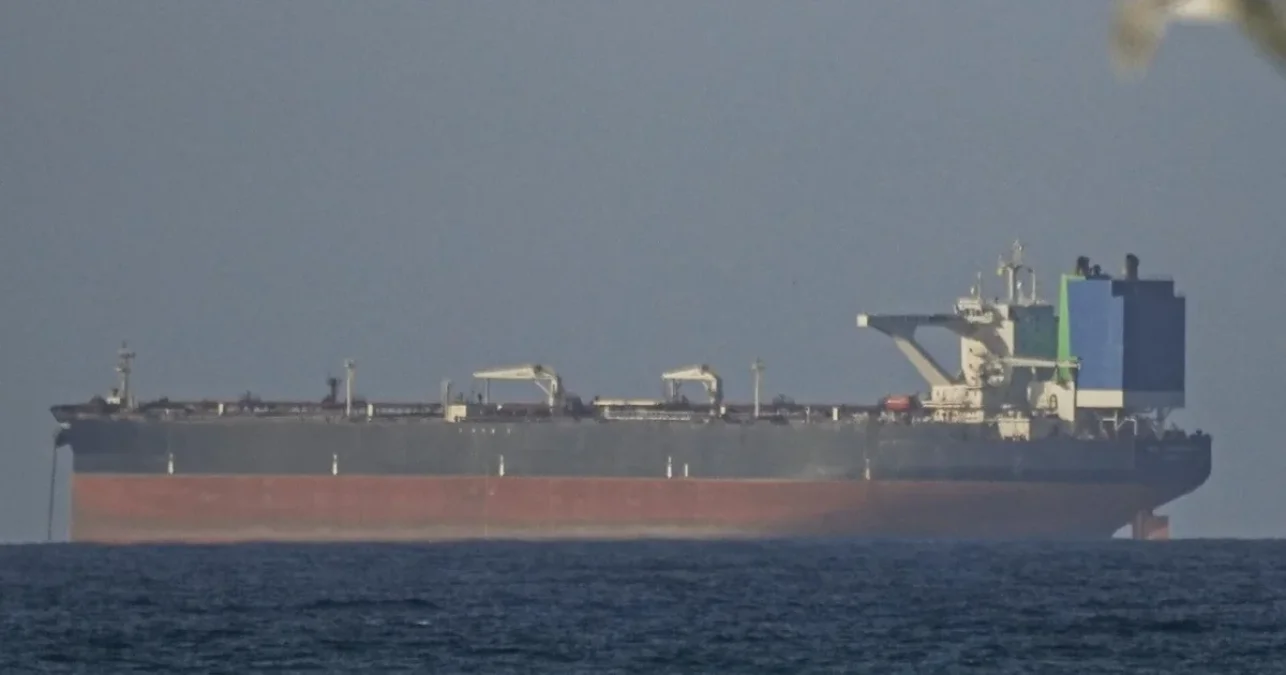
Iran is considering introducing tolls for vessels passing through the Strait of Hormuz, a critical global shipping route. This move could significantly impact international trade, maritime economics, and geopolitical dynamics. The proposed tolls are likely to affect a wide range of stakeholders, from shipping companies to consumers worldwide.
Key Facts
-
Proposed Toll Location Strait of Hormuz
-
Proposing Country Iran
-
Potential Impact Global Shipping and Trade
Impact
The introduction of tolls in the Strait of Hormuz could lead to increased shipping costs, which may be passed on to consumers. This could inflate the prices of goods transported through the strait, affecting economies worldwide. Additionally, the move might prompt shipping companies to explore alternative routes, potentially altering global maritime traffic patterns.The economic implications of such a move are multifaceted. On one hand, Iran could generate significant revenue from the tolls, bolstering its economy. On the other hand, the increased costs could hinder global trade, particularly affecting countries heavily reliant on goods transported through the Strait of Hormuz.The geopolitical aspects of this proposal are also noteworthy. The Strait of Hormuz is a strategic waterway, and any attempt to impose tolls could be seen as an assertion of control by Iran. This might lead to diplomatic tensions between Iran and other nations, particularly those with significant interests in the region's oil exports.
Key Insights
-
1
Economic Insight
Potential for increased shipping costs and global trade disruption
-
2
Geopolitical Insight
Possible escalation of diplomatic tensions in the region
Opportunities
The proposed tolls could create business opportunities for companies specializing in maritime logistics and route optimization. As shipping companies seek to minimize costs, there may be an increased demand for services that can help navigate the most cost-effective routes, potentially avoiding the Strait of Hormuz or optimizing transit times to reduce toll expenses.Technological innovations, such as more efficient propulsion systems or advanced navigation software, could also see a surge in demand as companies look to offset the increased costs of transit through the strait. This could drive investment in maritime technology and sustainability solutions, aiming to reduce the environmental impact and operational costs of shipping.
Risks & Challenges
One of the primary risks associated with Iran's proposal is the potential for a significant increase in global shipping costs. This could have a cascading effect on the prices of goods, contributing to inflation in countries that rely heavily on imports transported through the Strait of Hormuz. Furthermore, any disruption to the flow of oil and other critical commodities could have far-reaching economic consequences, including potential shortages and price spikes.The geopolitical risks are also considerable. The imposition of tolls could be seen as a provocative move by Iran, potentially leading to increased tensions with other nations. This could result in a range of responses, from diplomatic pressure to more severe measures, depending on the international community's perception of the move and its implications for global stability and security.
Source url: https://www.cbsnews.com/video/iran-reportedly-proposes-tolls-for-ships-crossing-strait-of-hormuz/
Related Articles