
Hormuz Strait Blocked by Iran Amid US Port Sanctions, Jeopardizing Regional Stability and Diplomacy
NewsHub
Apr 19, 2026
1 min read
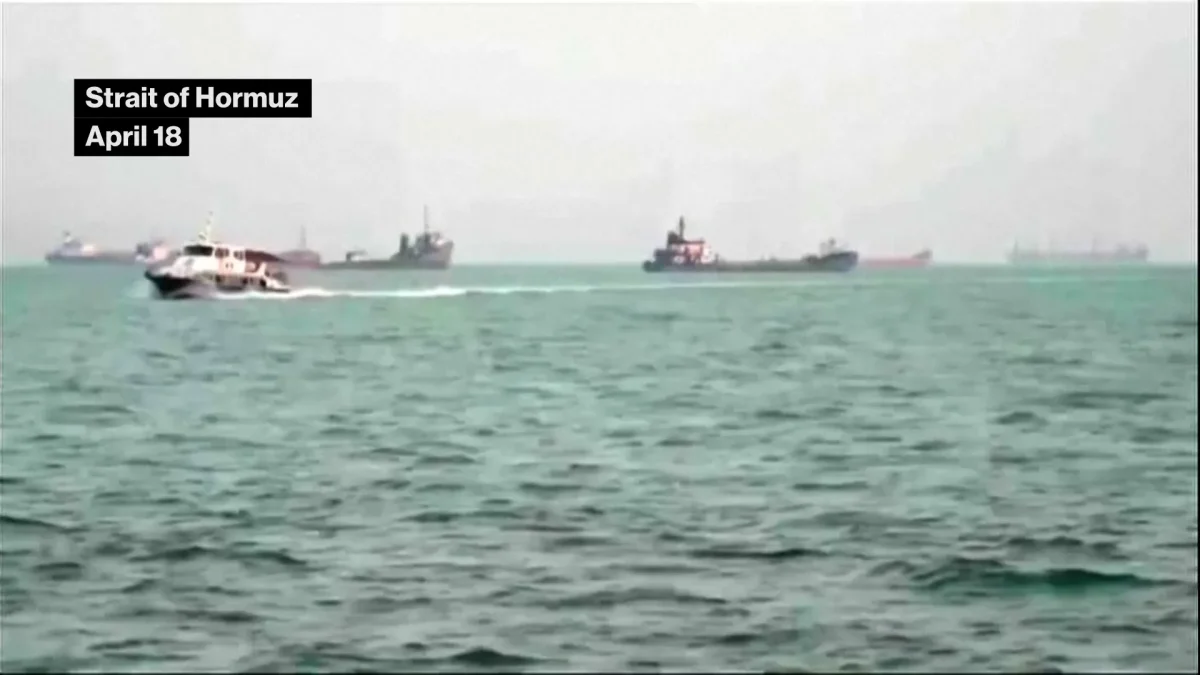
The Strait of Hormuz is experiencing a near total shipping standstill as of early Sunday, April 19, 2026, following Iran's decision to reverse its reopening and engage vessels attempting passage. This dramatic escalation is a direct response to the ongoing United States blockade of Iranian ports. The move by Tehran, which included firing upon ships, signals a severe deterioration in US-Iran relations and significantly diminishes prospects for a peaceful resolution or a comprehensive peace deal between the two nations. Global energy markets and regional security are now facing immediate and substantial uncertainty.
Key Facts
-
Incident Date Early Sunday, April 19, 2026
-
Location Strait of Hormuz
-
Actor Responsible Iran
-
Iranian Action Reversed decision to reopen waterway, fired on transiting vessels, declared intent to block passage.
-
Stated Reason for Action Retaliation for US blockade of Iranian ports.
-
Immediate Consequence Near standstill in shipping, jeopardizing US-Iran peace deal hopes.
-
Source Bloomberg News White House Correspondent
Impact
The immediate closure of the Strait of Hormuz carries severe economic ramifications. As a critical chokepoint for global oil and gas shipments, its blockage will inevitably send crude prices soaring, impacting energy-dependent economies worldwide. Supply chain disruptions will extend beyond oil, affecting other maritime trade, increasing shipping insurance premiums, and potentially leading to widespread inflationary pressures. Businesses reliant on predictable global shipping routes will face significant logistical challenges and increased costs, contributing to a volatile economic landscape. Geopolitically, this act marks a profound setback for any efforts towards de-escalation and a potential peace deal between the United States and Iran. It escalates regional tensions dramatically, drawing in neighboring Gulf states who rely on the strait for their own exports and imports. The move could prompt a strong international response, potentially involving heightened military presence in the region and further diplomatic isolation for Iran. The stability of the entire Middle East hangs precariously in the balance, with risks of miscalculation or unintended conflict rising sharply.
Key Insights
-
1
Iran's Strategic Calculus
Tehran's move signals a calculated escalation to exert maximum pressure on the United States, aiming to force a lifting of port blockades by weaponizing a critical global chokepoint. This demonstrates Iran's willingness to endure short-term international condemnation for what it perceives as strategic leverage against sustained economic pressure.
-
2
US Policy Implications
The incident highlights the volatile consequences of the US 'maximum pressure' campaign, particularly the port blockade. It raises questions about the long-term effectiveness of such strategies in achieving diplomatic outcomes without provoking significant retaliatory actions that destabilize global trade and security.
-
3
Energy Market Vulnerability
The immediate impact on shipping underscores the inherent vulnerability of the global energy supply chain to geopolitical flashpoints in critical maritime corridors. This event will likely renew calls for accelerated diversification of energy sources and enhanced strategic petroleum reserves in importing nations.
-
4
Diplomatic Stalemate Deepens
Prospects for US-Iran peace talks or any diplomatic breakthrough appear severely hampered. The firing on vessels represents a significant breach of international maritime law and trust, making it exceedingly difficult for any mediating parties to re-engage in meaningful dialogue in the near future.
Opportunities
The current crisis in the Strait of Hormuz presents accelerated opportunities for the development and adoption of resilient supply chain technologies and alternative energy infrastructure. Businesses could invest in advanced logistics software, diversified warehousing, and domestic manufacturing capabilities to mitigate reliance on single points of failure in global shipping. Furthermore, the incident underscores the strategic imperative for nations to accelerate investments in renewable energy sources and energy storage solutions, reducing their dependence on fossil fuels transiting volatile regions. This could drive innovation in battery technology, smart grids, and green hydrogen production. From a technological perspective, there's a heightened need for enhanced maritime surveillance and security solutions. This includes advancements in satellite monitoring, AI-driven anomaly detection for shipping patterns, and secure communication systems for vessels. Companies specializing in maritime intelligence, risk assessment, and alternative freight forwarding solutions will find increased demand for their services as global trade seeks to navigate elevated risks and ensure continuity.
Risks & Challenges
The most immediate risk is a rapid military escalation in the Persian Gulf. Iran's actions, including firing on vessels, significantly raise the probability of direct confrontation with international naval forces, particularly those of the United States. Such an escalation could quickly spiral into a wider regional conflict, drawing in other major powers and potentially disrupting a substantial portion of global oil production and trade beyond the Strait itself, leading to catastrophic economic and human costs. Beyond military conflict, there's a severe risk of a prolonged global economic recession. A sustained closure of Hormuz would cripple oil and gas supplies, leading to unprecedented energy price spikes and widespread economic contraction. This situation would also severely undermine efforts to address global challenges, as international attention and resources would be diverted to managing the crisis. Furthermore, the credibility of international maritime law and the principle of freedom of navigation are under threat, setting a dangerous precedent for other strategic waterways worldwide.
Source url: https://www.bloomberg.com/news/videos/2026-04-19/hormuz-at-standstill-denting-us-iran-peace-deal-hopes-video