
Geopolitical Tides: Iran Crisis's Potential to Reshape US-China Competition in Southeast Asia
NewsHub
Apr 19, 2026
1 min read
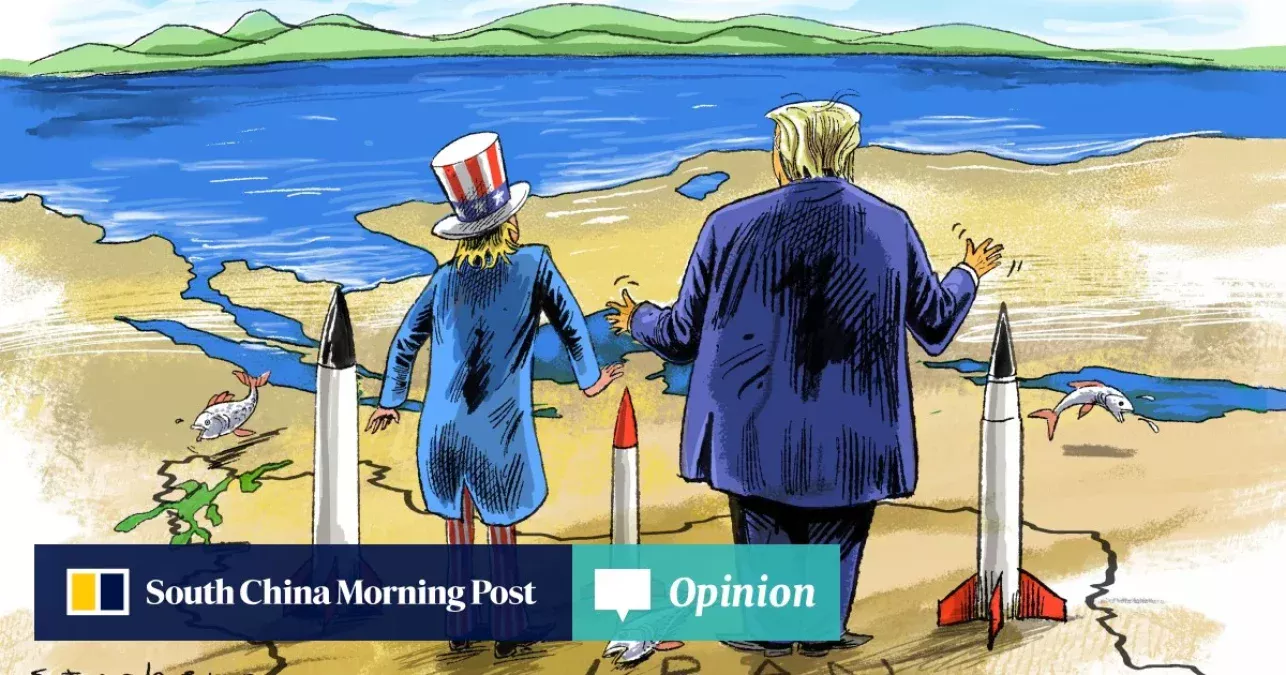
An analysis piece questions whether a significant setback for the United States, described as an 'Iran fiasco,' could inadvertently accelerate China's strategic ascent in Southeast Asia. Recent surveys among ASEAN nations already point to Beijing's increasing regional influence, alongside persistent concerns among member states. The core inquiry revolves around whether this evolving dynamic, potentially exacerbated by Washington's perceived missteps elsewhere, could lead to a significant decline in American engagement and ultimately allow China to consolidate its dominance, effectively sidelining the US from this crucial geopolitical arena.
Key Facts
-
ASEAN Survey Findings A recent survey of Southeast Asian nations indicates a rising trend in China's strategic influence across the region.
-
Regional Concerns The same survey also highlights significant worries among ASEAN members regarding Beijing's growing presence.
-
US Position Questioned The analysis posits that an 'Iran fiasco' could undermine the United States' strategic standing and capacity to compete effectively in Southeast Asia.
-
Core Inquiry A central question is whether China could ultimately displace the US as the dominant external power in the region.
Impact
Should China's strategic influence continue to grow unhindered by a strong US counter-presence, it could lead to increased Chinese economic and security leverage across Southeast Asia. This might manifest as greater regional alignment with Beijing's foreign policy objectives, visible through shifts in trade agreements, infrastructure development priorities, and even defense postures among ASEAN states, particularly those with deep economic ties to China. The United States might find its traditional alliances and partnerships challenged, impacting its forward presence and freedom of navigation operations in vital waterways. A diminished US presence could concurrently create a security vacuum or lead to increased regional instability, particularly in contested areas such as the South China Sea. ASEAN nations might be compelled to navigate a more assertive China without the counterbalancing influence of the United States, potentially leading to increased pressure on their sovereignty and autonomous decision-making. This shift could also affect regional multilateral institutions, with China potentially wielding greater sway in shaping their agendas and outcomes, further altering the regional geopolitical architecture.
Key Insights
-
1
US Strategic Vulnerability
The 'Iran fiasco' highlights the potential for geopolitical challenges in one region to have cascading effects on the US strategic posture and credibility globally, especially in other key theaters like Southeast Asia.
-
2
China's Opportunistic Strategy
Beijing appears poised to capitalize on any perceived US overextension or misstep, employing a multifaceted strategy that blends economic incentives with growing military might to expand its regional footprint.
-
3
ASEAN's Delicate Balance
Southeast Asian nations face the continuous challenge of balancing engagement with both major powers, seeking economic benefits and security assurances while preserving their autonomy amidst intensifying great power competition.
Opportunities
Should China's influence grow in Southeast Asia, it could unlock significant new opportunities for regional infrastructure development, particularly within the Belt and Road Initiative framework, offering substantial contracts for construction, logistics, and technology companies. Investment in digital transformation, e-commerce, and renewable energy could also see a surge, driven by Chinese capital and expertise. Countries willing to align closely with China's economic vision may find accelerated growth and access to vast markets, fostering specific sectoral advancements. For international businesses, this geopolitical shift might necessitate a re-evaluation of supply chains and market entry strategies, focusing on deeper integration with Chinese-led regional economic blocs. Companies specializing in industrial automation, smart cities technologies, advanced manufacturing, and green tech could find fertile ground as Southeast Asian economies seek to upgrade their capabilities and infrastructure under a potentially more Beijing-centric regional order.
Risks & Challenges
The primary risk associated with a diminished US role and increased Chinese dominance in Southeast Asia is heightened geopolitical tension and potential instability. A more assertive China, unchecked by a strong American presence, could lead to greater unilateral action in territorial disputes, potentially escalating conflicts in areas like the South China Sea. This shift might also push some regional states into difficult choices, forcing them to compromise on strategic autonomy or face economic repercussions, leading to internal political fragmentation or external pressure. Furthermore, reduced US engagement could weaken established regional security architectures and diplomatic norms that have historically provided a degree of stability and predictability. Economic over-reliance on a single major power presents vulnerabilities, including potential debt traps or the exertion of political leverage through trade and investment. Such a scenario could hinder the development of diverse economic partnerships and limit the policy space for independent foreign relations among ASEAN member states, potentially undermining regional resilience and self-determination.
Related Articles