China Cautions Against External Meddling in Panama Canal Port Affairs Amidst US Pressure
NewsHub
May 27, 2026
1 min read
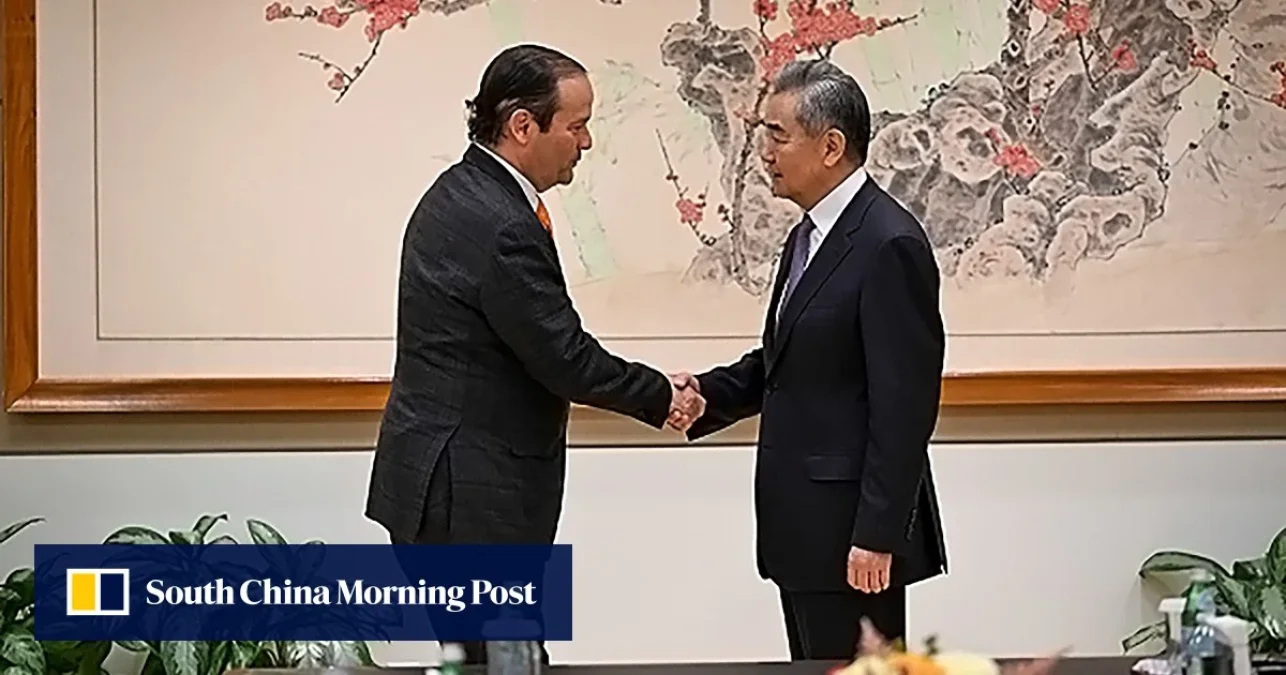
Beijing has publicly warned against external interference in Panama Canal port operations, signaling a desire to deepen its cooperation with Panama City. This statement, made by Foreign Minister Wang Yi, comes amidst reported pressure from the United States regarding the management of these vital maritime assets. The development highlights a growing geopolitical contest for influence over critical global trade infrastructure, with Panama navigating complex diplomatic and economic pressures from both major powers. The situation underscores the strategic importance of the Panama Canal as a nexus for international commerce and geopolitical rivalry.
Key Facts
-
Primary Actors China, Panama, United States
-
Core Issue Geopolitical influence and operational control over Panama Canal ports
-
China's Position Warns against 'third party' (implied US) influence; advocates for deeper bilateral cooperation with Panama
-
US Involvement Reported to be exerting pressure regarding port operations
-
Strategic Asset Panama Canal, a crucial global maritime choke point
-
Date of Statement Prior to May 27, 2026
Impact
This evolving situation carries significant geopolitical implications, primarily exacerbating the strategic competition between the United States and China in Latin America. For global trade, any instability or shifts in port management could introduce uncertainty, potentially affecting shipping routes, transit times, and logistics costs through one of the world's most critical waterways. The ongoing dispute could also compel other nations with strategic infrastructure to reassess their partnerships and exposure to great power rivalry. Panama, as a sovereign nation, finds itself in a delicate balancing act. While Chinese investment could offer economic benefits and infrastructure development, navigating Beijing's overtures while contending with Washington's concerns presents a significant diplomatic challenge. The nation's ability to maintain neutrality and protect its economic interests, particularly those tied to the Canal, will be thoroughly tested. This dynamic could influence Panama's future foreign policy and economic alignment, with potential long-term consequences for regional stability.
Key Insights
-
1
Geopolitical Strategy
China's assertion against 'third-party' influence underscores its expanding ambition to secure and influence critical global trade infrastructure, challenging traditional US hegemony in regions vital to global commerce. This reflects a broader strategy to project power and secure economic interests globally.
-
2
US Regional Influence
The reported US pressure indicates Washington's continued efforts to safeguard its traditional sphere of influence in the Americas and prevent what it perceives as potentially destabilizing Chinese control over sensitive assets like the Panama Canal. It highlights a focus on supply chain security and national defense concerns.
-
3
Panama's Sovereignty Challenge
Panama's predicament illustrates the increasing difficulty for smaller nations to navigate the intensifying US-China rivalry. Maintaining sovereign control and pursuing national development objectives without succumbing to external pressures becomes a critical test of statecraft and strategic autonomy.
Opportunities
For Panama, the rivalry between the two global powers could present opportunities to secure more favorable terms for infrastructure development and economic investment. By strategically leveraging offers from both sides, Panama could potentially accelerate modernization of its ports and logistics capabilities, enhancing the Canal's efficiency and capacity. Furthermore, there are opportunities for technology providers and maritime service companies to offer solutions that improve operational security, digital management, and environmental sustainability for the Canal, appealing to the interests of all stakeholders. From a business perspective, companies involved in global logistics, shipping, and port management may explore opportunities for diversification of routes or investment in alternative transshipment hubs, mitigating potential risks associated with concentrated geopolitical tensions. Additionally, there could be a rise in demand for advanced security and surveillance technologies for critical infrastructure, presenting a niche market for specialized firms.
Risks & Challenges
The most significant risks include the potential for escalating US-China diplomatic tensions, which could spill over into trade relations or economic sanctions impacting Panama. Should the situation deteriorate, there's a risk of disruptions to global shipping and supply chains if operational stability or access through the Panama Canal is compromised, leading to increased costs and delays for international commerce. Furthermore, Panama itself faces the risk of becoming a focal point in a larger geopolitical struggle, potentially undermining its neutrality and international standing. For Panama, navigating these pressures carries the inherent risk of alienating one major power while attempting to cooperate with another. This could lead to economic coercion, reduced foreign direct investment from certain sources, or increased domestic political instability if the government is perceived as aligning too closely with either Beijing or Washington. There is also a risk of increased scrutiny over transparency and governance in port contracts, which could deter some foreign investors or lead to disputes.
Related Articles